Key Findings
Delft University of Technology (TU Delft) is making significant strides in developing large-scale hydrogen production technologies that leverage intermittent renewable energy sources, particularly the vast offshore wind potential of the North Sea, which exceeds 200 GW. This comprehensive initiative encompasses the integration of offshore wind power with hydrogen production, efficient power conversion, advanced hydrogen storage and utilization techniques, and holistic energy system design. This research is central to the concept of offshore energy islands, envisioned as critical components of future clean energy infrastructure.
Technical / Clinical Details
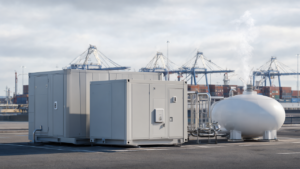
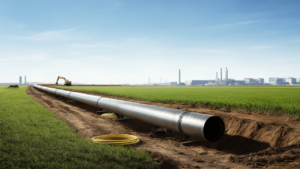
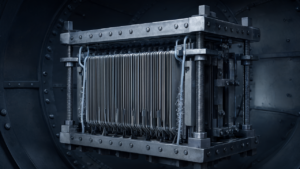
- Integration with Offshore Wind Power: Offshore wind farms offer more stable wind conditions and greater potential for large-scale power generation compared to onshore sites, but their electricity output is inherently variable. TU Delft is actively developing technologies to efficiently utilize this fluctuating power for hydrogen production. This includes direct electrolysis systems located offshore and the necessary infrastructure for storing and transporting the produced hydrogen to shore.
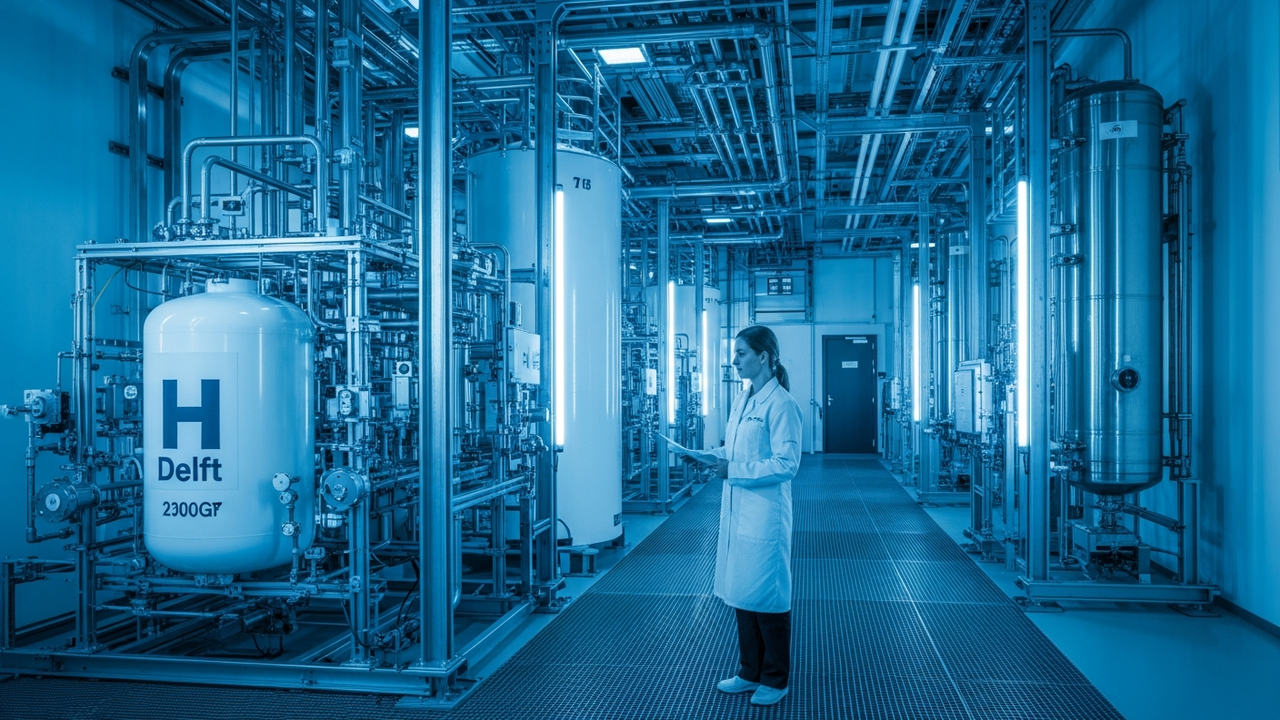
- Power Conversion and Hydrogen Storage: The hydrogen generated can be stored in various forms, such as compressed gas, liquid hydrogen, or chemical carriers like ammonia or Liquid Organic Hydrogen Carriers (LOHCs), for subsequent transport and utilization. The research focuses on advanced power conversion technologies to ensure a stable energy supply and on developing large-scale, safe hydrogen storage solutions that can manage significant volumes.
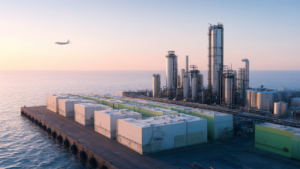
- Offshore Energy Island Concept: To maximize the potential of over 200 GW of offshore wind energy in the North Sea, TU Delft is advancing the concept of deploying multiple offshore energy islands. These islands will serve as hubs for converting electricity from offshore wind farms into hydrogen, and then storing and transporting it. This approach aims to alleviate strain on existing onshore power grids and establish a more efficient and resilient energy supply network.
Background & Context
European nations, especially those bordering the North Sea, are accelerating the deployment of offshore wind power in pursuit of climate change mitigation goals and enhanced energy self-sufficiency. However, efficiently transmitting and stably utilizing massive amounts of electricity from offshore wind farms to onshore grids remains a significant challenge. Converting electricity into hydrogen offers a promising solution to this problem, enabling long-distance transport and large-scale storage. TU Delft’s initiatives are playing a crucial role in shaping this overarching European energy strategy and addressing its technical complexities.
Strategic Significance & Outlook
The large-scale hydrogen production and offshore energy island concepts pioneered by TU Delft hold the potential to transform the North Sea region into a global hub for green hydrogen production. If successfully commercialized, this technology could significantly decarbonize Europe’s energy supply, accelerate the integration of variable renewable energy sources, and bolster energy security. This initiative is expected to serve as a leading model for the global development of the hydrogen economy, demonstrating how integrated energy systems can drive a sustainable and resilient future.
Source: https://www.tudelft.nl/h2platform/themes/large-scale-hydrogen-production-from-intermittent-energy
Get our weekly technology intelligence — free
Receive an infographic that lets you judge at a glance whether each field’s analysis report is worth reading.
Subscribe Free — Weekly Tech Intelligence
By subscribing, you’ll receive Troy-Technical’s weekly technology intelligence newsletter.
- Your email and selected fields are used only to deliver the newsletter.
- We never share your information with third parties.
- You can unsubscribe anytime via the link in each email.
See our Privacy Policy for details.
Takes about a minute · Unsubscribe anytime