Key Findings
LANXESS, the German specialty chemicals manufacturer, has achieved a significant milestone by utilizing hydrogen as fuel for the first time in an industrial process at its Krefeld-Uerdingen plant. This initiative marks a substantial step forward in enhancing the sustainability of its production activities, projected to reduce the company’s annual CO₂ emissions by approximately 6,000 metric tons.
Technical Details
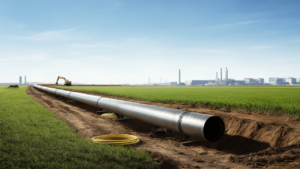
LANXESS adopted hydrogen as a substitute for natural gas, which was traditionally used in the drying process of iron oxide pigments. This drying process is energy-intensive, making the fuel switch to hydrogen an effective means of directly reducing carbon emissions from production. The hydrogen used is produced as a byproduct of chlorine electrolysis at the adjacent Covestro plant, and it is supplied directly to the LANXESS facility via a dedicated pipeline. This establishes an efficient local cooperation model that is highly advantageous for minimizing costs and energy losses associated with hydrogen storage and transportation. While specific details of the fuel cell systems or burners are not mentioned, it is assumed that technical adjustments were made to adapt existing equipment for hydrogen use.
Background & Context
The chemical industry is one of the most energy-intensive sectors, facing strong pressure to transform its production processes to meet decarbonization targets. Replacing fossil fuels as heat sources is a critical component of emission reduction strategies. LANXESS’s initiative serves as an excellent example of utilizing byproduct hydrogen and fostering industrial collaboration to reduce carbon emissions across the entire supply chain. This could influence other chemical companies, serving as a concrete example of “hydrogen use in industry” within Germany’s and Europe’s hydrogen strategies.
Strategic Significance & Outlook
The annual reduction of 6,000 tons of CO₂ emissions is a significant step towards achieving LANXESS’s sustainability goals and substantially improves its environmental footprint. This successful case study will incentivize other industrial sectors to accelerate the use of byproduct and green hydrogen. Moving forward, LANXESS may expand hydrogen utilization to other plants and processes, further driving the transition to sustainable chemical manufacturing. The effectiveness of this local hydrogen supply model will likely serve as a reference for many industrial sites in the future.
Get our weekly technology intelligence — free
Receive an infographic that lets you judge at a glance whether each field’s analysis report is worth reading.
Subscribe Free — Weekly Tech Intelligence
By subscribing, you’ll receive Troy-Technical’s weekly technology intelligence newsletter.
- Your email and selected fields are used only to deliver the newsletter.
- We never share your information with third parties.
- You can unsubscribe anytime via the link in each email.
See our Privacy Policy for details.
Takes about a minute · Unsubscribe anytime