Key Findings
A team of chemical researchers at Ohio State University has developed a new process for generating green hydrogen with negative emissions, utilizing carbon dioxide (CO2) and industrial byproducts such as steel slag and coal ash. This groundbreaking technology holds the potential to simultaneously advance waste management and clean energy production.
Technical Details
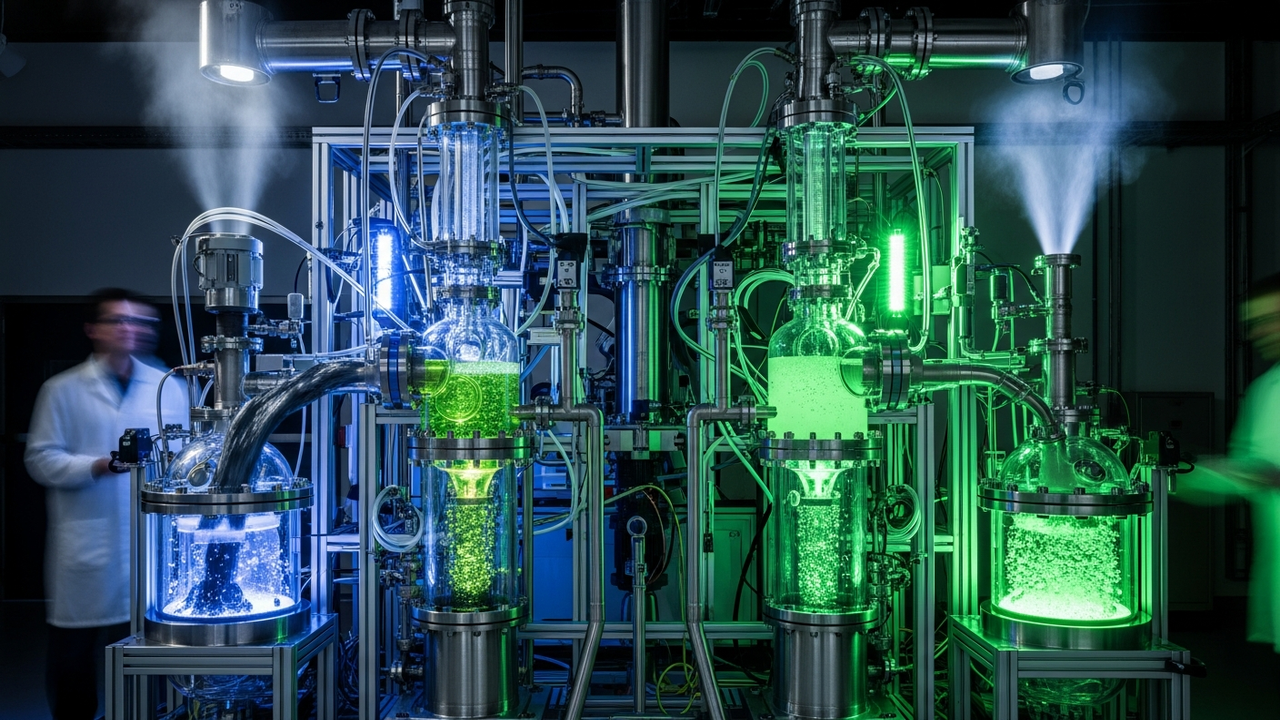
This novel process leverages reactions between CO2 and specific metal oxides present in industrial waste to produce hydrogen. Compared to conventional water electrolysis, the energy input required is reduced, allowing for efficient operation even with systems connected to existing power grids. Particularly noteworthy is the potential for this process to achieve ‘negative emissions’ by consuming CO2 and utilizing waste. Specifically, by using CO2 as a feedstock for hydrogen production and simultaneously converting industrial byproducts into valuable mineral products, the process reduces environmental impact while creating economic added value. While specific efficiency or production volumes are not detailed, the reduction in energy required for water electrolysis directly translates to lower hydrogen production costs.
Background & Context
Global industries face the dual challenges of reducing CO2 emissions and managing waste. Green hydrogen is a critical component of decarbonization, but its production typically requires clean electricity. Ohio State University’s achievement offers a new, more sustainable pathway for hydrogen production by utilizing CO2 and industrial waste as raw materials. This could be a revolutionary solution, particularly for industries that emit large quantities of CO2 and slag, such as steel manufacturing and thermal power plants, enabling them to simultaneously reduce waste and environmental impact.
Strategic Significance & Outlook
This hydrogen production process with negative emissions holds significant potential to contribute to climate change mitigation and the establishment of a circular economy. The ability to reduce water electrolysis energy costs and leverage widely available grid power could accelerate the technology’s adoption. The research team is expected to further optimize and scale up this process, as well as conduct demonstrations for commercialization. In the future, hydrogen production from industrial byproducts may play a crucial role in the global energy mix.
Source: https://news.osu.edu/chemists-race-to-turn-industrial-waste-into-renewable-resource/
Get our weekly technology intelligence — free
Receive an infographic that lets you judge at a glance whether each field’s analysis report is worth reading.
Subscribe Free — Weekly Tech Intelligence
By subscribing, you’ll receive Troy-Technical’s weekly technology intelligence newsletter.
- Your email and selected fields are used only to deliver the newsletter.
- We never share your information with third parties.
- You can unsubscribe anytime via the link in each email.
See our Privacy Policy for details.
Takes about a minute · Unsubscribe anytime