Key Findings
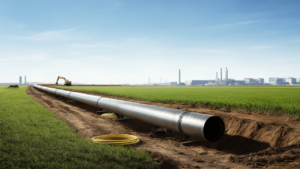
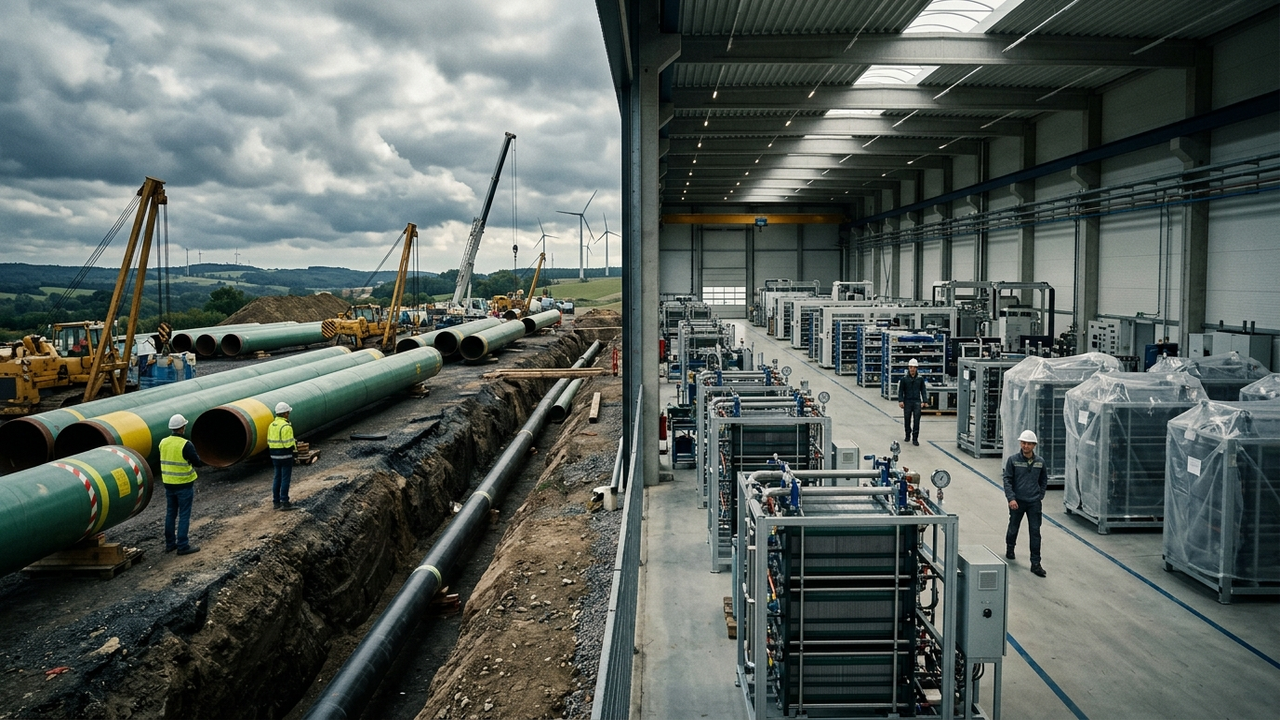
Europe’s ambitious hydrogen pipeline plans are encountering substantial delays, funding gaps, and unresolved policy issues, pushing the broader deployment of its 30,000-kilometer network well into the 2030s. Despite initial sections of this infrastructure already being completed and local flows anticipated from 2027, the overall buildout is hampered. Concurrently, European electrolyzer plants face potential overcapacity, as only 3 GW of the approximately 31 GW of announced green hydrogen projects have reached the crucial Final Investment Decision (FID) stage, creating a significant mismatch between manufacturing capabilities and market demand.
Technical Details and Infrastructure Challenges
Pipelines remain the most cost-effective method for large-scale hydrogen transport, with efforts focused on repurposing existing natural gas lines and constructing new dedicated infrastructure. However, the complexities of these projects, including securing land rights, environmental permits, and integrating diverse energy sources, contribute to the delays. The disparity between announced project capacity (31 GW) and actual FIDs (3 GW) indicates fundamental challenges in de-risking investments and achieving economic viability. For example, a 2.1 GW green hydrogen production project in Germany was recently canceled due to a collapse in its business case, illustrating the difficulties in translating large-scale ambitions into operational realities. The rapid expansion of electrolyzer manufacturing capacity, projected to exceed 165 GW per year globally by 2030, risks being underutilized if project FIDs do not accelerate.
Background and Industry Context
The European Union has positioned hydrogen as a cornerstone of its decarbonization and energy security strategies. However, the current pace of development suggests a significant gap between aspiration and execution. Policymakers and industry stakeholders are expressing growing concern over this demand shortfall, emphasizing the urgent need for faster state-aid approvals, increased European Hydrogen Bank auctions, and more streamlined regulatory processes to accelerate FIDs. In contrast, China has codified national hydrogen and ammonia targets within its 15th Five-Year Plan, demonstrating a more coordinated and rapid approach to hydrogen deployment, which highlights Europe’s comparative struggles.
Strategic Significance and Outlook
The challenges facing Europe’s hydrogen pipeline and electrolyzer deployment are critical for its energy transition goals. Without a robust and interconnected hydrogen network, the cost-effective transport of green hydrogen from production hubs to demand centers will be severely constrained, impacting the decarbonization efforts of hard-to-abate industries. To overcome these hurdles, Europe must prioritize policy clarity, stabilize long-term market signals, and implement effective financial instruments that reduce investment risks. Accelerating project FIDs is paramount to avoid sustained electrolyzer overcapacity and ensure that the foundational infrastructure for a hydrogen economy is built efficiently and on schedule, ultimately securing Europe’s climate targets and industrial competitiveness.
Get our weekly technology intelligence — free
Receive an infographic that lets you judge at a glance whether each field’s analysis report is worth reading.
Subscribe Free — Weekly Tech Intelligence
By subscribing, you’ll receive Troy-Technical’s weekly technology intelligence newsletter.
- Your email and selected fields are used only to deliver the newsletter.
- We never share your information with third parties.
- You can unsubscribe anytime via the link in each email.
See our Privacy Policy for details.
Takes about a minute · Unsubscribe anytime