
Key Findings
Abbott has announced the U.S. Food and Drug Administration (FDA) authorization of its groundbreaking “Libre Duo 10 Day Continuous Dual Glucose Ketone Monitoring System.” This bio-wearable device is the first in the United States capable of continuously tracking ketone levels and the first globally to combine continuous monitoring of both glucose and ketones within a single wearable sensor. Aimed at diabetes patients aged 2 and older, particularly those at high risk for diabetic ketoacidosis (DKA), it seeks to provide early warnings for rising ketone levels, thereby preventing the progression to dangerous acute conditions.
Technical / Clinical Details
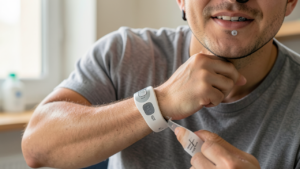
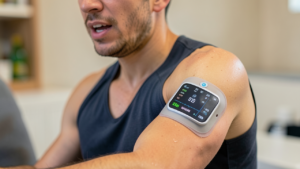
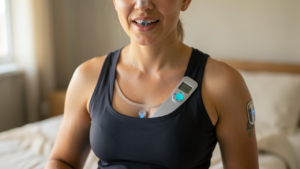
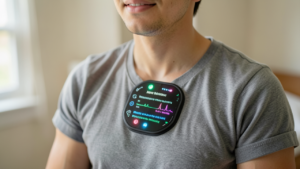
The Libre Duo 10 Day system operates via a small, skin-worn sensor that measures glucose and ketone values in the interstitial fluid every minute. This data is wirelessly transmitted to a compatible smartphone application, allowing patients to visualize their real-time glucose and ketone trends. A critical feature is its ability to issue automated alerts when predefined ketone thresholds are exceeded, enabling patients and caregivers to take prompt action before DKA develops into a life-threatening emergency. Clinical data have demonstrated the device’s accuracy in detecting clinically significant ketone changes and issuing warnings in the nascent stages preceding DKA. This continuous monitoring capability offers more comprehensive and ongoing information compared to traditional, single-point blood or urine tests, substantially improving the precision and safety of diabetes management.
Background & Context
Diabetic ketoacidosis (DKA) is a severe complication, primarily affecting individuals with Type 1 diabetes and certain Type 2 patients, characterized by critically high blood glucose and excessive ketone production. Without rapid intervention, DKA can lead to coma or death. Historically, ketone monitoring has been limited to fingerstick blood tests or urine strips, which offer only snapshots and make it challenging to track continuous trends. The emergence of Continuous Glucose-Ketone Monitoring (CGKM) systems like the Libre Duo represents a major leap forward in diabetes care, exemplifying how the convergence of biosensor technology and wearable devices can enhance patient quality of life and prevent severe complications. This technology empowers patients to manage their health more autonomously and contributes to alleviating the burden on healthcare systems.
Strategic Significance & Outlook
Abbott plans to launch the Libre Duo 10 Day system in the U.S. later in 2026, ushering in a new era for diabetes management. This device will be particularly beneficial for Type 1 and Type 2 diabetes patients using insulin or other glucose-lowering medications, dramatically improving DKA risk management. The combined continuous monitoring of glucose and ketones enables patients to engage in more proactive and informed self-management, potentially leading to a reduction in preventable hospitalizations and healthcare costs. Furthermore, the success of this technology may accelerate the development of multi-sensor wearable devices targeting other critical biomarkers, expanding the scope of personalized health monitoring.
Get our weekly technology intelligence — free
Receive an infographic that lets you judge at a glance whether each field’s analysis report is worth reading.
Subscribe Free — Weekly Tech Intelligence
By subscribing, you’ll receive Troy-Technical’s weekly technology intelligence newsletter.
- Your email and selected fields are used only to deliver the newsletter.
- We never share your information with third parties.
- You can unsubscribe anytime via the link in each email.
See our Privacy Policy for details.
Takes about a minute · Unsubscribe anytime

Comments