Key Findings
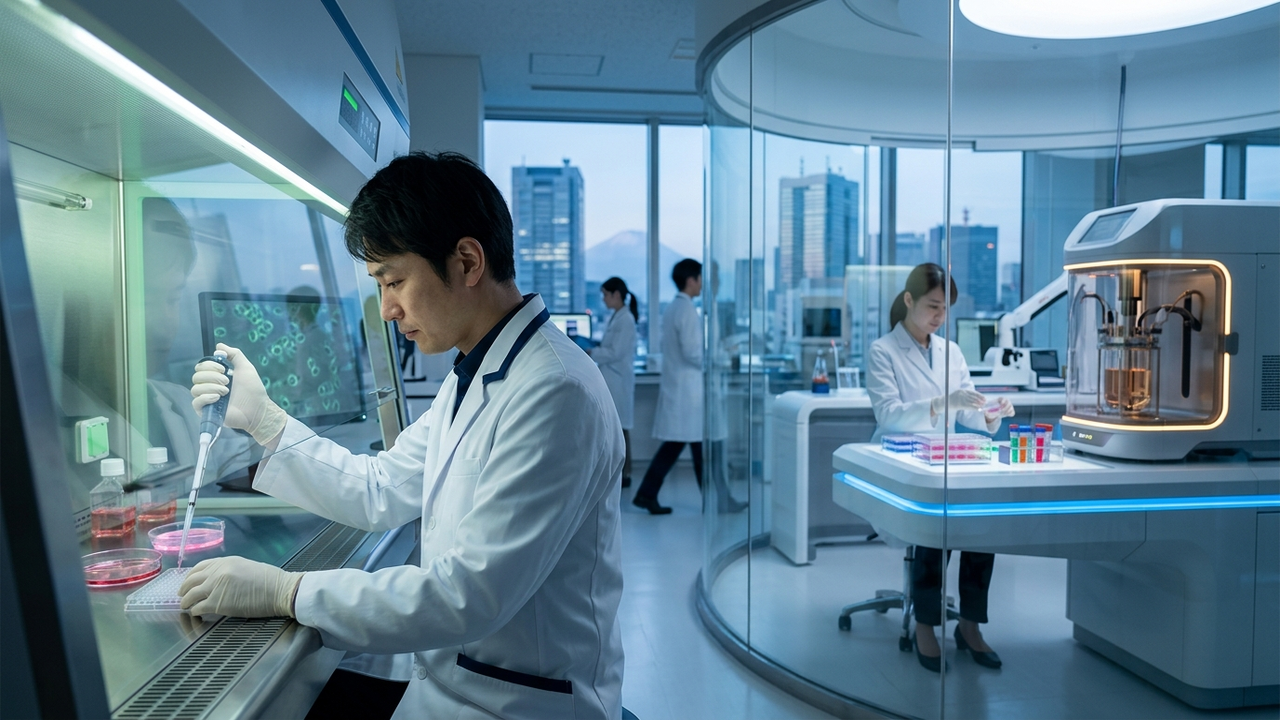
Japan has become the first country in the world to approve groundbreaking therapies derived from induced pluripotent stem cells (iPSCs): ‘ReHeart’ for heart failure and ‘Amchepry’ for Parkinson’s disease. This decision represents a pivotal milestone in human medical history, transitioning iPSC technology from research into practical clinical application. Both therapies aim to restore function in damaged heart tissue and compensate for the loss of dopamine-producing neurons in Parkinson’s disease, respectively.
Technical & Clinical Details
These innovative treatments are based on the Nobel Prize-winning research of Professor Shinya Yamanaka. Patient-specific somatic cells, or cells from HLA-matched donors, are ‘reprogrammed’ into iPSCs, from which specific cell types (such as cardiomyocytes or dopamine-producing neurons) are differentiated and manufactured. These cells are then transplanted into patients to restore lost function.
- ReHeart (Heart Failure Therapy): This therapy involves transplanting iPSC-derived cardiomyocyte sheets onto the damaged areas of the heart in patients with severe heart failure. The transplanted cardiomyocytes are expected to integrate with surrounding tissue and promote the recovery of the heart’s pumping function. Early clinical trials reported significant improvements in left ventricular ejection fraction and a favorable safety profile with low incidence of severe adverse events. It targets severe heart failure patients unresponsive to conventional treatments.
- Amchepry (Parkinson’s Disease Therapy): This treatment involves transplanting iPSC-derived dopamine-producing neural progenitor cells into the brains of Parkinson’s disease patients. The goal is to replenish dopamine-producing cells lost due to the disease, thereby improving motor symptoms. Clinical trials have shown improvements in Unified Parkinson’s Disease Rating Scale (UPDRS) scores in multiple patients over several months post-transplantation, with no major safety concerns identified.
- Safety and Efficacy: Clinical trials for both therapies involved rigorous evaluation of specific concerns related to stem cell therapy, such as tumorigenicity risk and immune rejection. Results indicated statistically significant improvements compared to placebo groups, with response rates varying by disease severity, and confirmed an acceptable safety profile.
Background & Industry Context
Regenerative medicine, particularly iPSC-based therapies, remained largely in the research and development phase for a long time due to ethical issues and technical challenges. However, Japan has proactively established a regulatory environment, including the enactment of the ‘Act on Securing Safety of Regenerative Medicine, etc.’ in 2014 and the introduction of a conditional and time-limited approval system. This approval is the culmination of these policy efforts, solidifying Japan’s international leadership in the field of regenerative medicine.
Strategic Significance & Outlook
The approval of these iPSC-derived therapies not only offers hope to many patients with intractable diseases but also provides a clear roadmap for researchers, engineers, and investors worldwide towards the commercialization and practical application of regenerative medicine. Further clinical data collection and expansion of indications for these therapies are expected. iPSC technology holds the potential to evolve into applications for other intractable diseases such as cancer, diabetes, and spinal cord injury. This breakthrough development will significantly impact the biotechnology and medical industries, creating new investment opportunities and waves of technological innovation.
Source: https://www.facebook.com/groups/1008908201222470/posts/1285866970193257/
Get our weekly technology intelligence — free
Receive an infographic that lets you judge at a glance whether each field’s analysis report is worth reading.
Subscribe Free — Weekly Tech Intelligence
By subscribing, you’ll receive Troy-Technical’s weekly technology intelligence newsletter.
- Your email and selected fields are used only to deliver the newsletter.
- We never share your information with third parties.
- You can unsubscribe anytime via the link in each email.
See our Privacy Policy for details.
Takes about a minute · Unsubscribe anytime





Comments