Key Findings
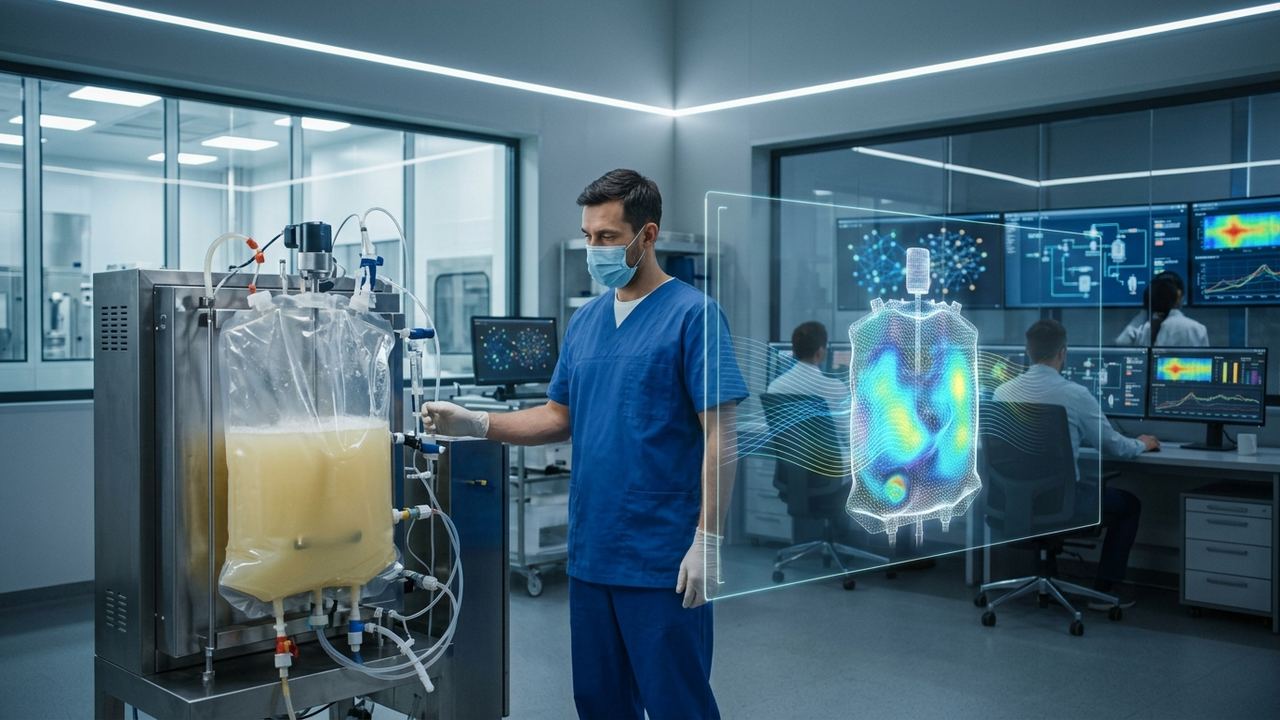
The selection of single-use mixing solutions in bioprocess engineering is now enabling significant efficiency gains and sustainability improvements through the integration of advanced technologies such as digital twins, AI, machine learning, Process Analytical Technology (PAT) tools, continuous bioprocessing, and perfusion culture. This allows for real-time process adjustments and predictive analytics, accelerating the optimization and scale-up of biopharmaceutical manufacturing.
Technical & Clinical Details
The increasing complexity of biopharmaceutical manufacturing demands enhanced process flexibility and efficiency. Single-use technologies address these needs by reducing cleaning and sterilization steps, mitigating cross-contamination risks, and enabling rapid facility turnaround.
- Digital Twin Technology: By creating virtual models of physical bioprocess systems and integrating them with real-time data, digital twins accurately simulate and predict process behavior. This allows for the exploration of optimal conditions before committing to physical experiments, thereby reducing development time and costs.
- AI and Machine Learning: These technologies analyze vast amounts of process data to identify patterns and build predictive models. This enables early detection of anomalies and automated optimization of process parameters. For instance, AI can predict cell growth rates or protein expression levels to adjust media feeding strategies.
- Process Analytical Technology (PAT) Tools: PAT tools provide real-time monitoring and control of critical quality attributes and performance indicators during the process. In-line or at-line measurements of parameters like pH, dissolved oxygen (DO), cell density, and metabolites allow for immediate detection and response to process deviations, ensuring consistent product quality.
- Continuous Bioprocessing and Perfusion Culture: These techniques significantly enhance production efficiency compared to traditional batch processes. Perfusion culture, in particular, maintains high cell densities within bioreactors by continuously exchanging media, increasing yield while reducing the physical footprint of equipment. Single-use mixing solutions are crucial components for the smooth operation of these continuous processes.
Background & Industry Context
The biopharmaceutical industry faces mounting pressure to expand its development pipeline and accelerate time to market. Simultaneously, regulatory bodies are increasing demands for product quality, safety, and consistency. In this environment, the integration of single-use and digital technologies provides manufacturers with significant advantages in terms of flexibility, efficiency, and quality assurance, making them strategic choices for addressing these challenges.
Strategic Significance & Outlook
The combination of these advanced technologies has the potential to redefine the future of biopharmaceutical manufacturing. Smarter, faster, and more sustainable production processes will be realized, shortening the time it takes for innovative therapies to reach patients. Researchers and engineers can leverage these tools to explore new frontiers in bioprocessing, while investors can anticipate improved profitability through enhanced efficiency and cost reduction. The importance of these technologies is particularly amplified in the manufacturing of new modalities like cell and gene therapies.
Get our weekly technology intelligence — free
Receive an infographic that lets you judge at a glance whether each field’s analysis report is worth reading.
Subscribe Free — Weekly Tech Intelligence
By subscribing, you’ll receive Troy-Technical’s weekly technology intelligence newsletter.
- Your email and selected fields are used only to deliver the newsletter.
- We never share your information with third parties.
- You can unsubscribe anytime via the link in each email.
See our Privacy Policy for details.
Takes about a minute · Unsubscribe anytime





Comments