Key Findings
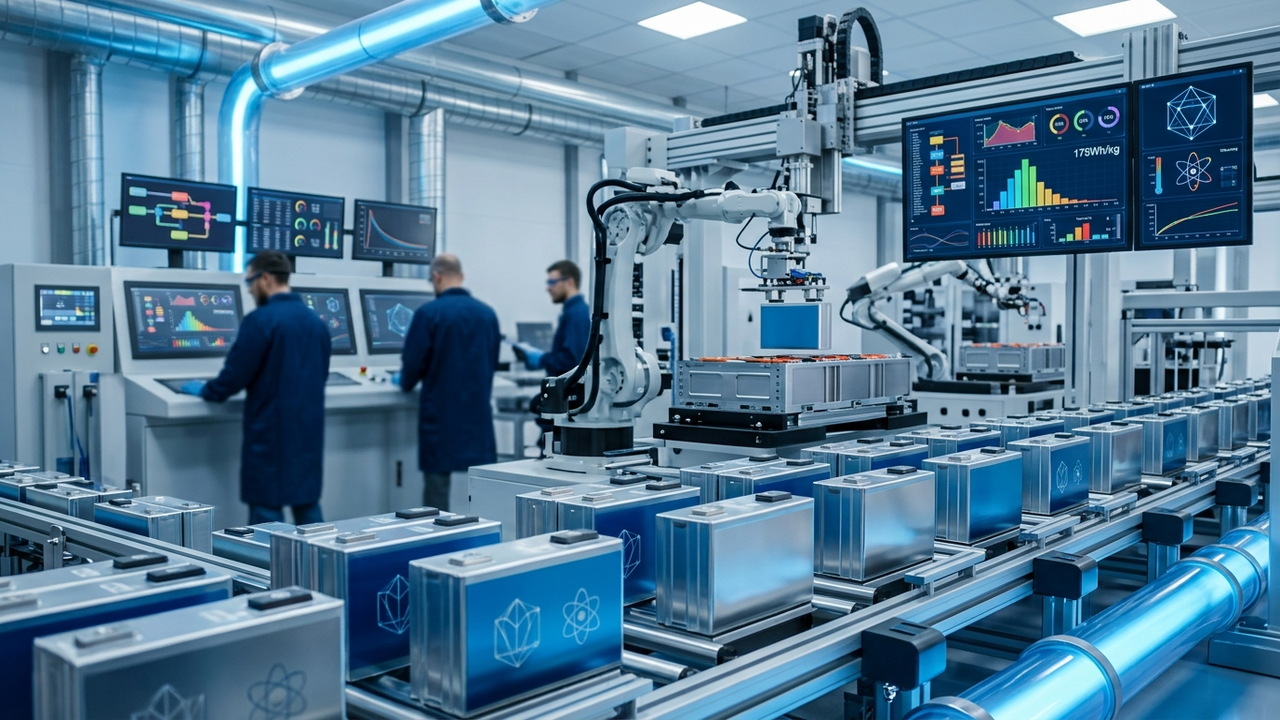
Sodium-ion battery (NIB) technology is achieving full commercialization in 2026, as leading manufacturers transition from pilot programs to full-scale mass production. This shift firmly establishes NIBs as a low-cost and inherently safe energy storage solution. They are garnering significant attention for applications where cost-effectiveness is paramount, particularly in stationary Battery Energy Storage Systems (BESS) and low-speed electric vehicles (EVs). China’s battery giant CATL has announced the market introduction of its mass-produced sodium-ion batteries in 2026, with plans for widespread deployment across passenger vehicles, commercial vehicles, battery swap networks, and stationary energy storage applications.
Technical and Product Specifications
CATL’s flagship ‘Naxtra’ cells boast a gravimetric energy density of 175Wh/kg, a performance level that rivals high-performance Lithium Iron Phosphate (LFP) batteries currently prevalent in the market. This achievement suggests NIBs can provide practical range for EV applications. Furthermore, many sodium-ion batteries offer extended cycle lives, exceeding 10,000 to 15,000 cycles, contributing to reduced long-term operational costs. Their superior performance in low-temperature environments broadens their applicability across diverse geographical regions. With an estimated cell price of $50-56 per kilowatt-hour (kWh) in 2026, NIBs present a substantial cost advantage over current lithium-ion alternatives.
Background and Industry Context
The lithium-ion battery industry faces challenges related to lithium’s concentrated geopolitical supply and volatile pricing. Sodium, being one of the most abundant elements on Earth, offers a stable and low-cost supply chain, positioning NIBs as a crucial alternative for reducing lithium dependence. Moreover, NIBs can utilize aqueous electrolytes, making them inherently safer than lithium-ion batteries due to a significantly lower risk of thermal runaway. This characteristic makes NIBs an ideal technology for BESS applications where fire safety is a concern, and for cost-constrained EV segments, where they are emerging as a compelling substitute.
Future Outlook and Strategic Significance
The full commercial deployment of sodium-ion batteries in 2026 has the potential to fundamentally transform global energy storage and EV markets. Mass production and cost competitiveness, particularly from major players like CATL, are expected to accelerate NIB market penetration. The introduction of low-cost, high-performance, and safe NIBs will substantially lower the entry barrier for stationary energy storage systems, thereby facilitating greater adoption of renewable energy. Furthermore, the application of NIBs in affordable EVs and two-wheelers will further catalyze the global electrification of transport, making a significant contribution to worldwide decarbonization efforts.
Source: https://sodiumbatteryhub.com/2026/08/25/sodium-battery-technology-in-2026/
Get our weekly technology intelligence — free
Receive an infographic that lets you judge at a glance whether each field’s analysis report is worth reading.
Subscribe Free — Weekly Tech Intelligence
By subscribing, you’ll receive Troy-Technical’s weekly technology intelligence newsletter.
- Your email and selected fields are used only to deliver the newsletter.
- We never share your information with third parties.
- You can unsubscribe anytime via the link in each email.
See our Privacy Policy for details.
Takes about a minute · Unsubscribe anytime







Comments