Background
The global plastic waste crisis is significantly worsened by the inherent difficulties in recycling mixed plastics, which form a substantial portion of municipal and industrial waste streams. Conventional recycling infrastructure typically caters to single-polymer waste, leading to the incineration or landfilling of mixed plastic materials. Although polylactic acid (PLA) is lauded as a biodegradable plastic derived from renewable resources like corn starch, its end-of-life management, especially when integrated into mixed waste, has historically posed significant challenges. This EU-led project directly confronts these systemic issues, aligning seamlessly with the EU’s ambitious Plastic Strategy and Circular Economy Action Plan, both designed to cultivate more sustainable production and consumption models for plastics.
Key Findings
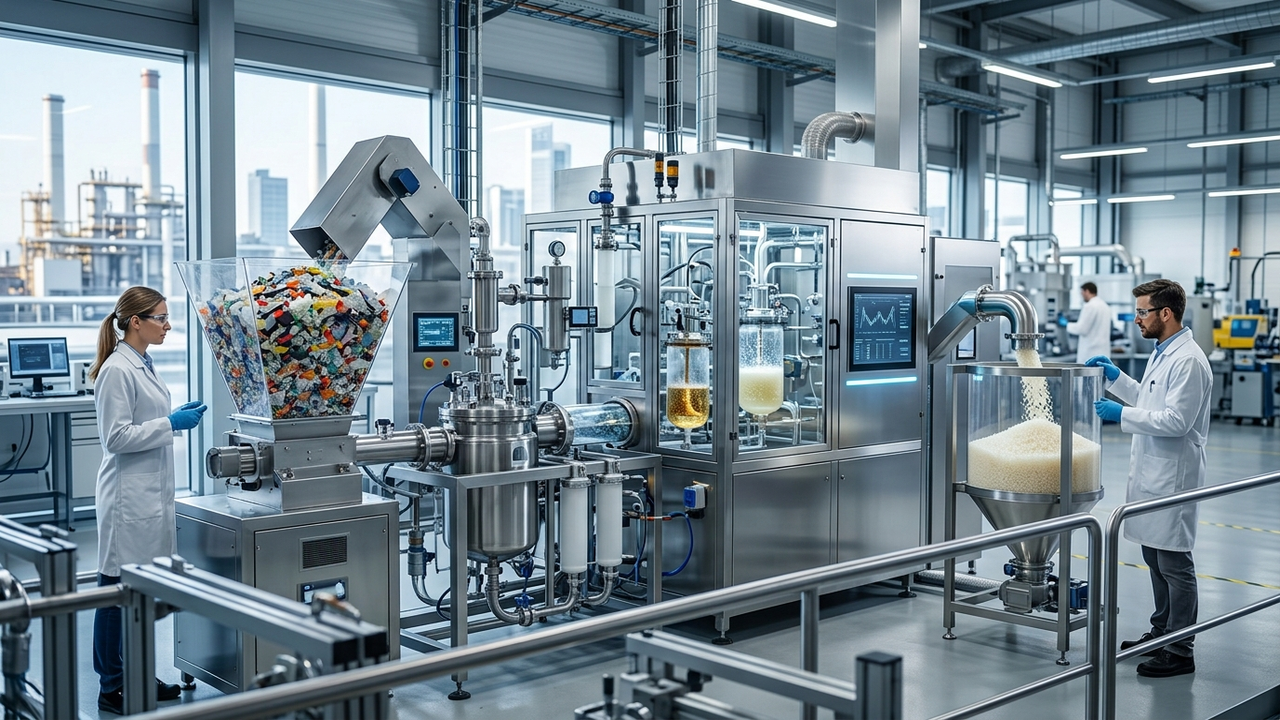
An EU-supported project has successfully demonstrated a groundbreaking technology capable of efficiently extracting and recycling high-purity polylactic acid (PLA) directly from mixed plastic waste streams. This breakthrough marks a pivotal advance towards a circular economy by unlocking the potential to transform complex waste inputs, previously considered unrecyclable, into valuable bioplastics.
Technical Details
The project developed and employed a sophisticated multi-stage process integrating advanced physical separation techniques with innovative chemical purification steps. This combined approach enabled the selective extraction and refinement of high-purity PLA from heterogeneous mixed plastic waste streams. A persistent challenge in mixed plastics recycling is the presence of contaminants from other polymers or impurities, which frequently degrade the quality and utility of recycled materials. The demonstrated technology adeptly overcomes these limitations, yielding recycled PLA with a purity level sufficient to meet the stringent performance specifications required for new product manufacturing. This achievement not only elevates the intrinsic material value of recycled PLA but also significantly expands its potential applications, thereby enhancing its economic attractiveness for manufacturers.
Strategic Significance & Outlook
The successful demonstration of a viable PLA recycling pathway from mixed waste streams holds immense strategic significance for both the burgeoning bioplastics industry and global sustainability initiatives. Commercialization of this technology would dramatically broaden the spectrum of plastics considered recyclable, diverting substantial volumes of waste from landfills and incineration. Recycled PLA could be repurposed into a myriad of new applications, spanning packaging, textiles, and automotive components, thereby fostering the development of robust and sustainable material supply chains. Future efforts will concentrate on scaling up the process, optimizing its cost-effectiveness, and facilitating its widespread adoption across Europe, solidifying its role as a pivotal technology in the global battle against plastic pollution.
Source: #
Get our weekly technology intelligence — free
Receive an infographic that lets you judge at a glance whether each field’s analysis report is worth reading.
Subscribe Free — Weekly Tech Intelligence
By subscribing, you’ll receive Troy-Technical’s weekly technology intelligence newsletter.
- Your email and selected fields are used only to deliver the newsletter.
- We never share your information with third parties.
- You can unsubscribe anytime via the link in each email.
See our Privacy Policy for details.
Takes about a minute · Unsubscribe anytime





Comments