Key Findings
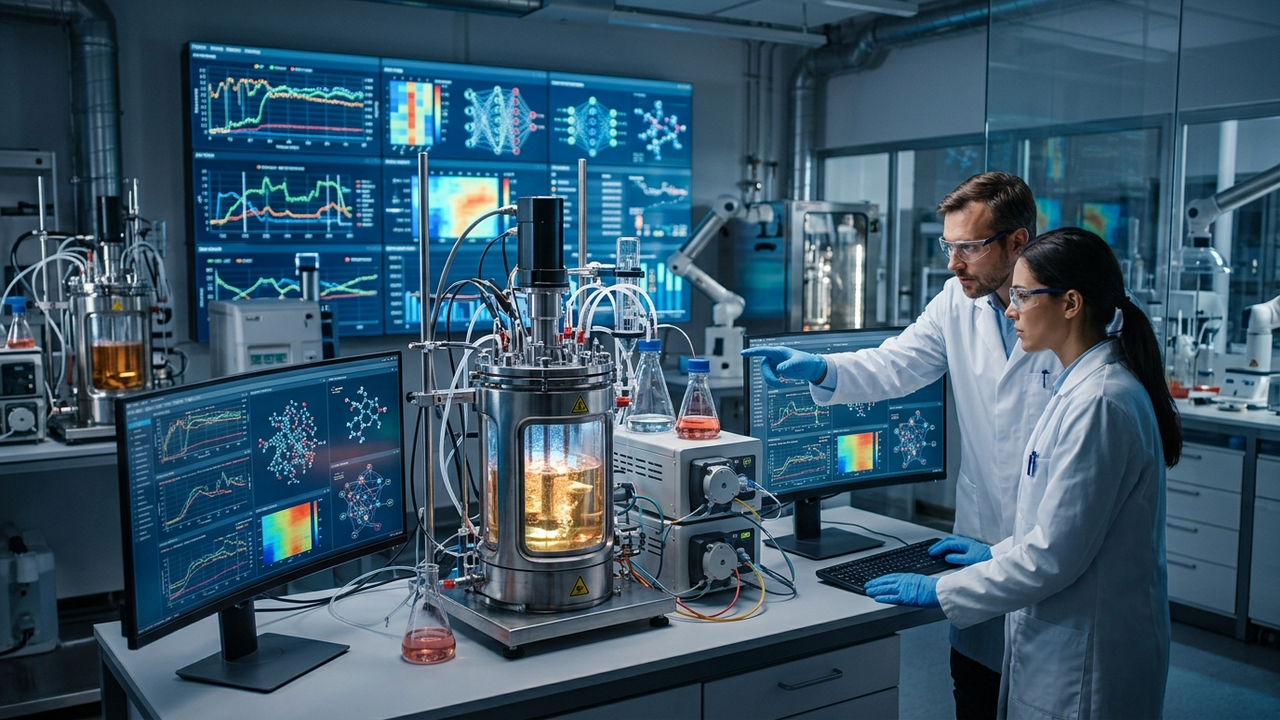
Bioreactor technology has entered a new phase, dramatically improving process robustness, efficiency, and decision-making capabilities through the integration of big data and predictive analytics. This evolution combines real-time data collection with advanced algorithms to enable holistic bioprocess optimization, accelerating development cycles while ensuring product quality and consistency.
Technical and Clinical Details
This approach involves real-time collection of vast amounts of data continuously generated from bioreactors (e.g., temperature, pH, DO, cell density, metabolite concentrations) and their analysis using machine learning algorithms. Predictive analytics leverages these data patterns to forecast future process behavior, identifying potential deviations and suboptimal conditions early. Data integration platforms centralize information from various sensors and instruments, providing a comprehensive process view. Furthermore, the construction of digital twins creates virtual models of physical bioreactors, allowing evaluation of various scenarios through simulation, which aids in optimizing process conditions and formulating scale-up strategies.
Background and Industry Context
Biopharmaceutical manufacturing has always sought efficiency and optimization due to its complexity and high costs. While traditional Statistical Process Control (SPC) and Quality by Design (QbD) approaches were effective, they faced limitations in dynamic real-time process optimization. The application of big data and AI overcomes these challenges by detecting subtle changes in process parameters and making adjustments accordingly, thus establishing a more robust and predictable manufacturing environment. This is crucial for maintaining high reproducibility and quality standards in manufacturing human therapeutics, especially high-value products like cell and gene therapies.
Strategic Significance and Outlook
The implementation of big data and predictive analytics technologies is vital for shaping the future of bioprocess development and manufacturing. In the future, these tools are expected to become routine, enabling seamless integration from lab-scale to commercial production. This will lead to shorter development times, reduced manufacturing costs, and ultimately the faster delivery of therapeutics to more patients. This technology is anticipated to accelerate the digital transformation of the biopharmaceutical industry and play a central role in establishing the next-generation manufacturing paradigm.
Get our weekly technology intelligence — free
Receive an infographic that lets you judge at a glance whether each field’s analysis report is worth reading.
Subscribe Free — Weekly Tech Intelligence
By subscribing, you’ll receive Troy-Technical’s weekly technology intelligence newsletter.
- Your email and selected fields are used only to deliver the newsletter.
- We never share your information with third parties.
- You can unsubscribe anytime via the link in each email.
See our Privacy Policy for details.
Takes about a minute · Unsubscribe anytime








Comments