Key Findings
NASA has commenced a sophisticated analysis of Avcoat, the ablative material used in the Orion crew module’s heat shield. This high-precision evaluation is crucial for gathering data to ensure the safety of astronauts and the integrity of the spacecraft during future deep space human exploration missions.
Technical & Operational Details
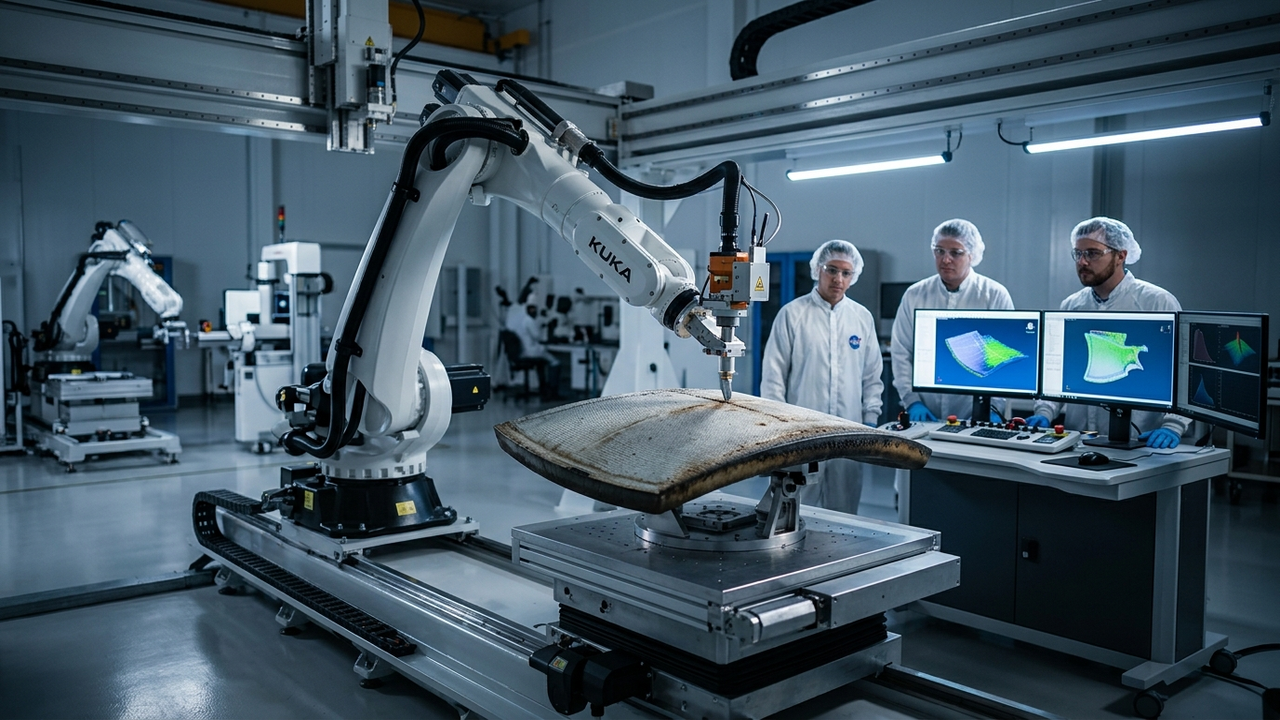
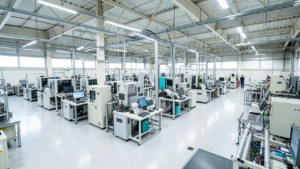
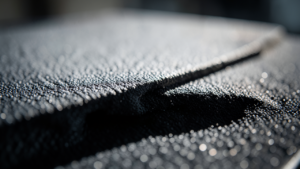
The analysis is a collaborative effort involving engineers from NASA’s Marshall, Johnson, and Ames Space Flight Centers. The Avcoat samples under investigation were retrieved from the Orion crew module after its 2014 flight test (EFT-1), where the heat shield successfully protected the module during its fiery re-entry into Earth’s atmosphere. Utilizing a state-of-the-art seven-axis milling machine, researchers are meticulously mapping the microstructural changes, degradation patterns, and thermal responses of the material exposed to extreme heat. This advanced characterization will provide a comprehensive understanding of Avcoat’s thermal performance, material integrity, and behavior under specific thermal loads, informing future heat shield designs and manufacturing processes. Such high-fidelity analysis is indispensable for accurately assessing how materials withstand the harsh conditions of spaceflight and atmospheric re-entry.
Background & Industry Context
The Orion spacecraft’s heat shield serves as the final line of defense, protecting the crew and vehicle from temperatures reaching thousands of degrees during atmospheric re-entry, whether returning to Earth or entering the atmospheres of other planets like Mars. Avcoat is a proven ablative technology that dissipates thermal energy by absorbing heat and undergoing controlled surface erosion and vaporization. This current analysis builds upon past data, providing a more rigorous assessment to enhance the reliability of heat shield technology. The goal is to meet the demanding requirements of upcoming Artemis lunar missions and, eventually, crewed expeditions to Mars. With the expansion of deep space exploration, insights from advanced materials science are becoming a decisive factor in spacecraft design and mission success.
Strategic Significance & Outlook
The results of this analysis will directly contribute to improvements in the design and manufacturing processes of Orion’s heat shield as the spacecraft prepares for future missions to an asteroid and Mars. The data acquired will also be applied to the development of thermal management systems for next-generation spacecraft and re-entry capsules, potentially revolutionizing the safety of human deep space exploration. This research is expected to drive advancements in materials science under extreme conditions, playing a pivotal role in pushing the boundaries of human presence in space and ensuring the long-term viability of complex interplanetary missions.
Get our weekly technology intelligence — free
Receive an infographic that lets you judge at a glance whether each field’s analysis report is worth reading.
Subscribe Free — Weekly Tech Intelligence
By subscribing, you’ll receive Troy-Technical’s weekly technology intelligence newsletter.
- Your email and selected fields are used only to deliver the newsletter.
- We never share your information with third parties.
- You can unsubscribe anytime via the link in each email.
See our Privacy Policy for details.
Takes about a minute · Unsubscribe anytime




Comments