Background
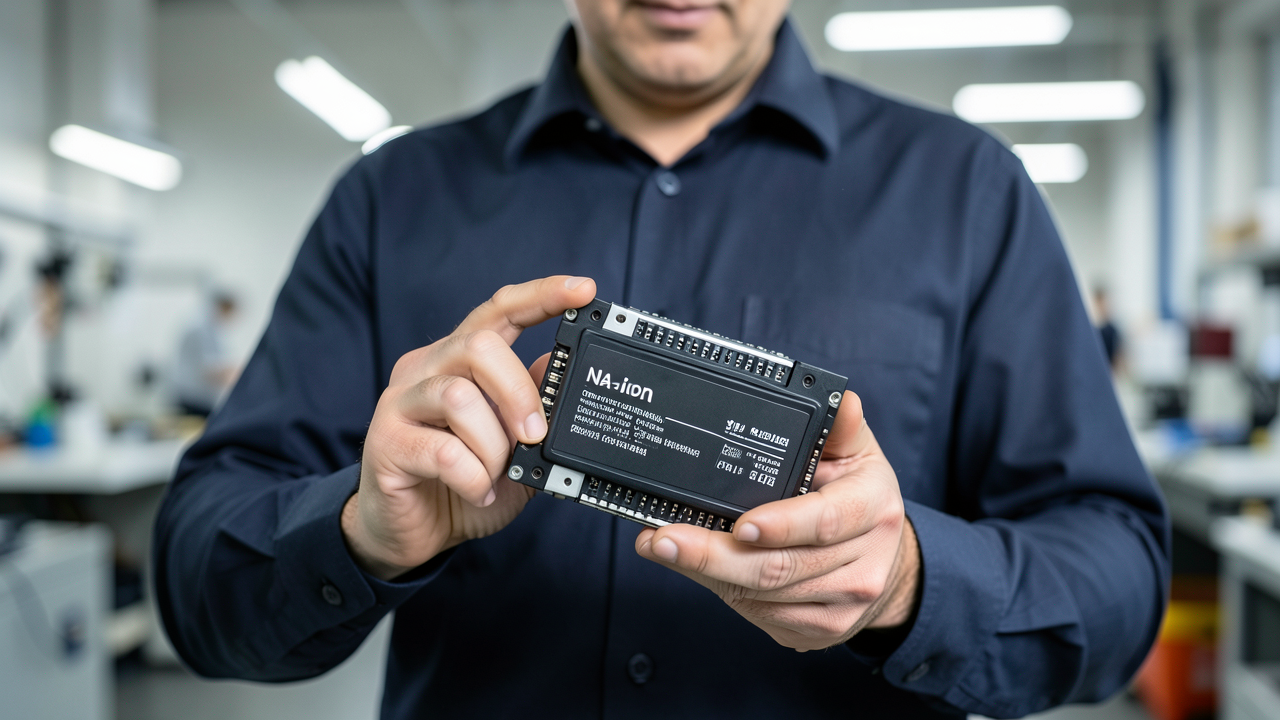
The global energy market is undergoing a profound transformation towards decarbonization and renewable energy, creating an urgent demand for reliable, long-duration energy storage solutions. While lithium-ion batteries have dominated the EV and portable electronics markets for the past decade, their cost, raw material supply stability, and thermal runaway risks have limited their adoption for large-scale grid storage and certain specialized applications. Na-ion batteries are emerging as a cost-effective alternative to address these challenges. In regions like Europe, there is a recognized strategic imperative to reduce reliance on Chinese-manufactured lithium-ion batteries and bolster regional energy independence to support local energy transitions.
Key Findings
Sodium-ion (Na-ion) battery technology is rapidly advancing as a next-generation energy storage solution, demonstrating significant advantages in cost-efficiency, safety, and robust performance across extreme temperatures. It has firmly established itself as a clear alternative to lithium-ion batteries, particularly for grid-scale storage, low-speed electric vehicles (EVs), and cold-weather applications. The best commercial Na-ion cells now achieve energy densities of 75-200 Wh/kg and remarkable cycle lives of 15,000-20,000 cycles, substantially surpassing the 3,000-6,000 cycles typical of many lithium-ion counterparts.
Technical Details
A primary benefit of Na-ion batteries is their reliance on abundant sodium resources, which significantly reduces dependence on rare and expensive materials like lithium, cobalt, and nickel. This material abundance contributes to a manufacturing cost as low as $51 per kWh at the cell level, making them highly attractive for stationary energy storage and industrial systems where affordability and safety are prioritized over compactness. Technically, Na-ion batteries offer superior thermal stability and maintain performance in cold environments. Specifically, they can discharge effectively down to -40°C and retain full performance at -30°C. This capability drastically reduces the need for costly insulation or pre-heating systems in cold-climate installations, thereby lowering operational complexity and total lifetime cost. Companies like GSL Energy and Freen underscore the technology’s transition from laboratory research to practical applications in homes, commercial facilities, and microgrids.
Strategic Significance & Outlook
The continuous advancements in Na-ion battery technology hold the potential to revolutionize the energy storage sector. As manufacturing scales and the technology matures, broader adoption across diverse applications is anticipated. For instance, in the EV market, Na-ion batteries are poised for application in low-speed EVs and short-range commuter vehicles. Furthermore, CATL’s planned mass production of 175 Wh/kg Na-ion cells by 2026, projected to be 30% cheaper than LFP batteries, could potentially enable EVs to achieve ranges of 600 km. This fundamental shift in the cost structure of the energy storage market is expected to expand access to and utilization of renewable energy across more regions and industries, contributing to a more diversified and resilient energy ecosystem.
Source: https://www.intelligentliving.co/sodium-ion-battery-technology-in-2026/
Get our weekly technology intelligence — free
Receive an infographic that lets you judge at a glance whether each field’s analysis report is worth reading.
Subscribe Free — Weekly Tech Intelligence
By subscribing, you’ll receive Troy-Technical’s weekly technology intelligence newsletter.
- Your email and selected fields are used only to deliver the newsletter.
- We never share your information with third parties.
- You can unsubscribe anytime via the link in each email.
See our Privacy Policy for details.
Takes about a minute · Unsubscribe anytime




Comments