Key Findings
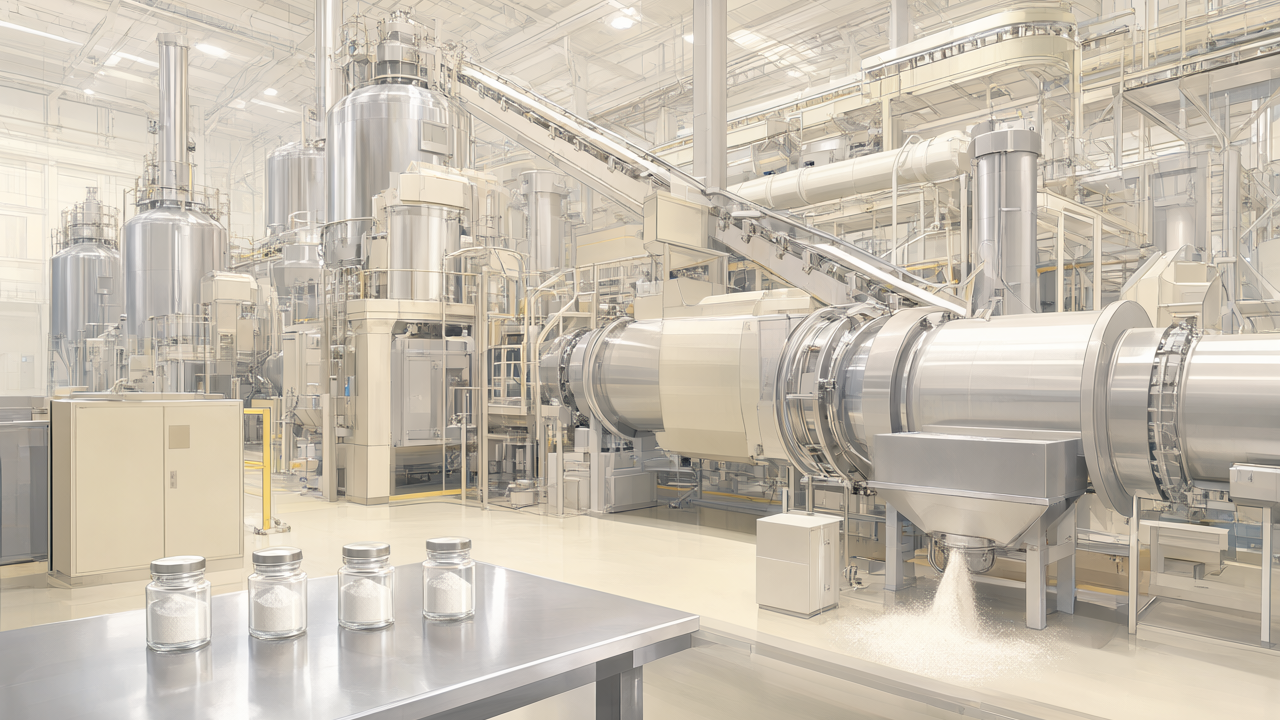
The third quarter of 2026 marked a pivotal transition for the solid-state battery industry, moving from pilot validation to a critical pre-mass production phase. Notably, Gotion Holding successfully commenced operations of the world’s first 10,000-ton high-purity lithium sulfide (Li₂S) production line, a significant step in securing the supply chain for sulfide-based solid electrolytes. Parallel to this, polymer-based solid-state battery technology demonstrated unprecedented performance metrics, with Sunwoda achieving an energy density of 400Wh/kg with 1,200 cycles, and Ion Energy pushing the envelope further to 520Wh/kg, exceeding 3,500 cycles, enabling ultra-fast charging in 6 minutes, and offering an exceptional operational temperature range from -45℃ to 120℃.
Technical / Clinical Details
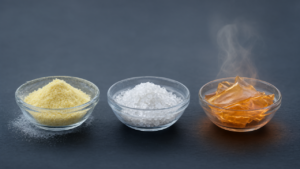
- Sulfide Electrolytes: Significant technological strides include achieving an ionic conductivity of 7.53 mS/cm, enhanced air resistance, effective suppression of lithium dendrite formation, and stable operation under low pressure (5 MPa). Progress in dry electrode processes further streamlines manufacturing. Beyond Gotion’s 10,000-ton Li₂S line, Tianqi Lithium is also developing a 50-ton pilot project, signaling a robust build-out of sulfide electrolyte production capabilities.
- Polymer Solid-State Batteries: Sunwoda’s achievement of 400Wh/kg and 1,200 cycles sets a high standard for polymer batteries. Ion Energy’s performance is particularly groundbreaking, with 520Wh/kg energy density and over 3,500 cycles. The capability for ultra-fast charging (6 minutes) and an extended operating temperature range of -45℃ to 120℃ positions this technology as highly versatile for applications from electric vehicles to aerospace and grid storage, where extreme conditions are common.
Background & Context
Solid-state batteries are heralded as the next generation of energy storage due to their inherent safety advantages, higher energy density potential, and longer cycle life compared to conventional lithium-ion batteries. However, challenges related to scalable manufacturing and cost reduction have historically impeded their widespread commercialization. Gotion Holding’s initiation of large-scale Li₂S production represents a critical development in addressing material cost and supply stability, which are key to mass adoption. Meanwhile, semi-solid-state batteries are already gaining traction in commercial vehicles, energy storage, and eVTOL sectors, validating the broader market demand for advanced battery solutions as solid-state pilot lines expand.
Strategic Significance & Outlook
The industry’s shift into pre-mass production, underscored by these material and performance breakthroughs, indicates that solid-state batteries are on the cusp of broad commercial deployment. The ability to mass-produce sulfide electrolytes and the demonstration of high-performance polymer electrolytes with rapid charging capabilities and wide temperature tolerance will fundamentally transform electric vehicles by extending range and shortening charging times. This also unlocks new possibilities for applications requiring high reliability in demanding environments, such as grid-scale energy storage and electric aviation. Expect accelerated R&D and capital investment across the sector as companies race towards projected commercial releases from 2027 onwards.
Get our weekly technology intelligence — free
Receive an infographic that lets you judge at a glance whether each field’s analysis report is worth reading.
Subscribe Free — Weekly Tech Intelligence
By subscribing, you’ll receive Troy-Technical’s weekly technology intelligence newsletter.
- Your email and selected fields are used only to deliver the newsletter.
- We never share your information with third parties.
- You can unsubscribe anytime via the link in each email.
See our Privacy Policy for details.
Takes about a minute · Unsubscribe anytime