Key Findings
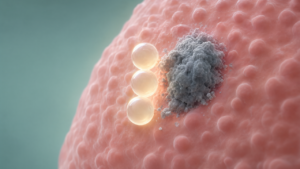
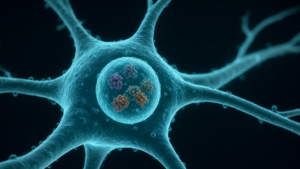
The aloe vera-based bioink enables the fabrication of immune-regulatory bone organoids that outperform conventional GelMA or GelMA/Laponite scaffolds in vivo. In rat models with 5-millimeter critical-sized calvarial defects, the aloe-containing organoids promoted more robust bone regeneration and mineralized bone formation by eight weeks. In vitro results showed a shift in macrophages toward a CD206-positive, iNOS-low phenotype (M2 state), characterized by reduced IL-1beta and increased IL-10 expression, without the need for exogenous cytokines like IL-4.
Technical Details
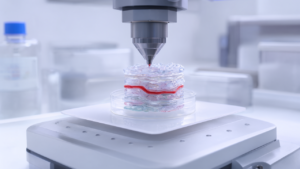
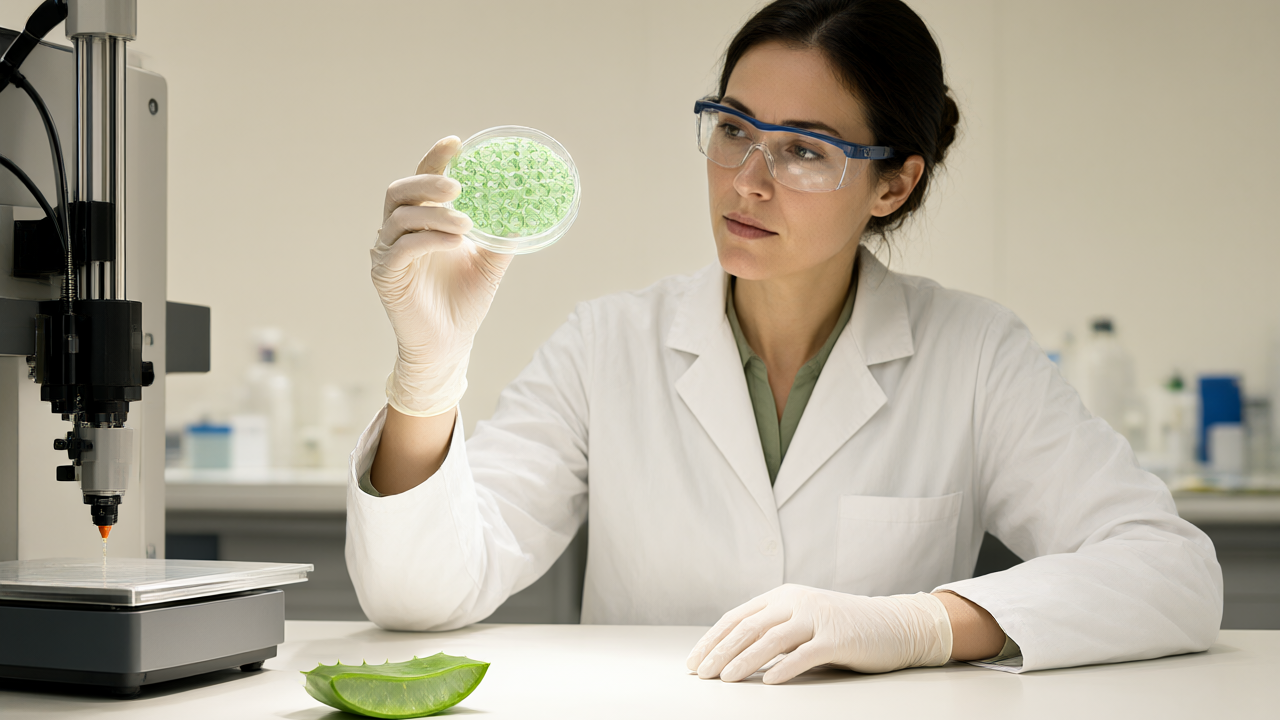
The bioink consists of a specific ratio: 40 percent aloe vera gel, 10 percent gelatin methacryloyl (GelMA), and 1 percent Laponite synthetic nanoclay. GelMA provides cell-adhesion motifs and UV-crosslinkable mechanics; Laponite ensures shear-thinning behavior for printability and releases magnesium and silicon ions; aloe vera provides bioactive polysaccharides (acemannan) and phytosphingosine- and polyphenol-related metabolites.
- Printing Parameters: Extruded at 8 degrees Celsius using a 21-gauge metal nozzle at 4 millimeters per second under 0.2 to 0.3 megapascals of pressure.
- Architecture: A 5 by 5 millimeter rectangular grid, eight layers deep, with 1.5-millimeter infill spacing and 90-degree interlayer rotation.
- Cross-linking: 365-nanometer UV light at 5 percent intensity for 10 seconds per layer.
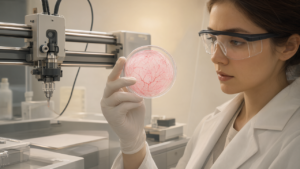
- Cell Loading: Rat bone marrow mesenchymal stem cells at one million cells per milliliter, achieving post-printing viability exceeding 90 percent.
Background & Context
Traditional bone engineering often neglects the role of immune cells, specifically macrophages, which are essential for transitioning from inflammation (M1 state) to repair (M2 state). Furthermore, the field has relied heavily on Matrigel, an animal-derived gel with poor reproducibility. This plant-based alternative replaces Matrigel while providing a scaffold that allows encapsulated cells to deposit bone-specific extracellular matrix and drive mineralization.
Significance & Outlook
The platform demonstrates that plant-derived components can orchestrate complex immune remodeling across Th1/Th2/Th17-related pathways. Subcutaneous implantation in nude mice confirmed the formation of structured extracellular matrix and CD31-positive microvascular networks, suggesting a viable path for immune-smart regenerative medicine.
Source: https://bioengineer.org/aloe-vera-bioink-yields-immune-smart-3d-printed-bone-organoids/
Get our weekly technology intelligence — free
Receive an infographic that lets you judge at a glance whether each field’s analysis report is worth reading.
Subscribe Free — Weekly Tech Intelligence
By subscribing, you’ll receive Troy-Technical’s weekly technology intelligence newsletter.
- Your email and selected fields are used only to deliver the newsletter.
- We never share your information with third parties.
- You can unsubscribe anytime via the link in each email.
See our Privacy Policy for details.
Takes about a minute · Unsubscribe anytime