

Key Findings
Researchers at the UCLA Health Jonsson Comprehensive Cancer Center discovered that the Cullin-5 RING E3 ligase complex (CRL5) is a primary driver of T-cell exhaustion. By blocking this protein-regulating pathway, the team found that engineered immune cells remained active longer, produced stronger anti-tumor responses, and resisted exhaustion in preclinical models. These results were observed both through genetic disruption and the use of the drug MLN4924, which blocks the activation of Cullin-RING ligases.
Technical Details
To identify the genes responsible for exhaustion, the team employed a genome-wide CRISPR screen using human CD8+ T cells engineered to recognize a melanoma antigen. The researchers utilized a repeated tumor rechallenge system to mimic the chronic exposure T cells face in solid tumors, rather than focusing on short-term activation. The screening revealed that several different components of the CRL5 machinery were independently enriched, indicating a biologically significant pathway.
Modified T cells with disrupted CRL5-related genes exhibited several advantages:
- Maintained stronger tumor-killing ability.
- Produced higher levels of immune signaling molecules.
- Showed fewer molecular signs of exhaustion.
- Preserved gene programs linked to survival and long-term immune function.
In mouse models of human melanoma, animals treated with CRL5-deficient T cells showed improved tumor control compared to those receiving standard engineered immune cells.
Background & Context
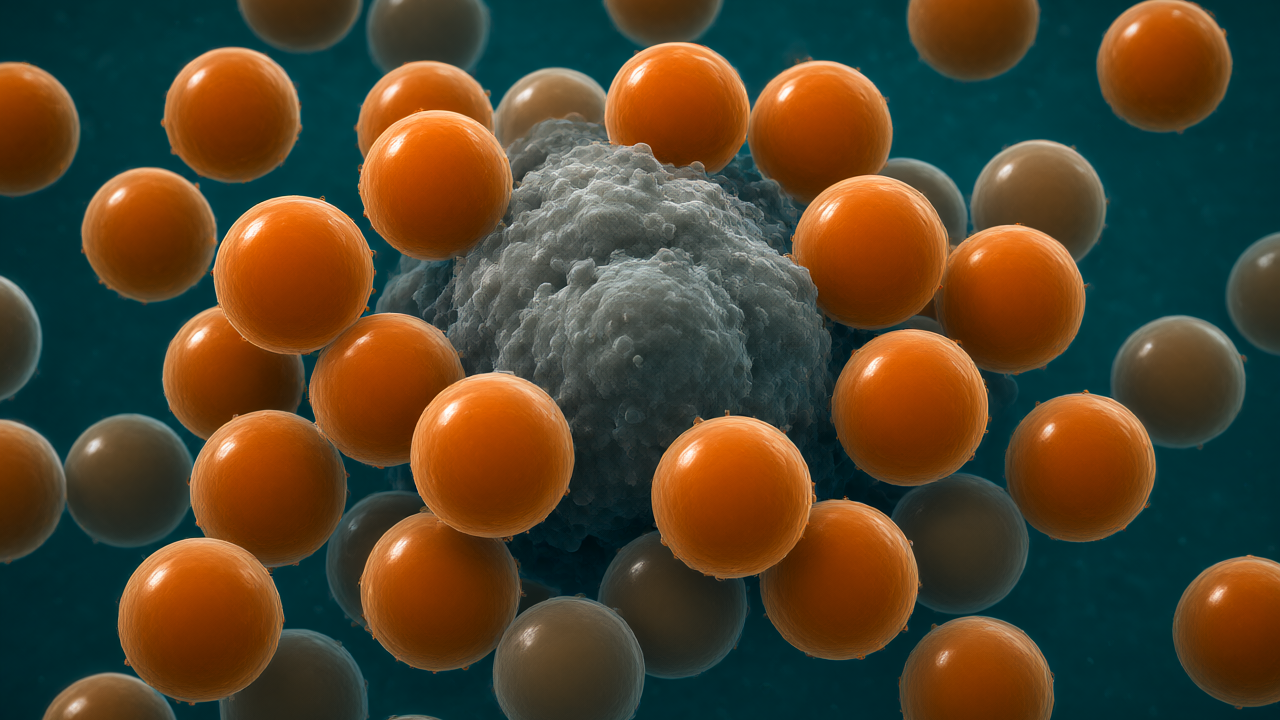
T-cell exhaustion occurs when immune cells are exposed to tumor signals for extended periods, causing them to lose their ability to attack cancer. This is a primary reason why immunotherapies—including CAR T-cell, tumor-infiltrating lymphocyte, and T-cell receptor-engineered therapies—often fail or produce short-lived responses, particularly in solid tumors.
Significance & Outlook
Targeting the CRL5 pathway may enhance the effectiveness of T-cell-based immunotherapies by reducing the biological mechanisms that drive exhaustion. This discovery provides a potential roadmap for developing longer-lasting treatments for solid tumors, ensuring immune cells remain functional long enough to prevent tumors from regrowing or escaping immune control.
Source: https://www.uclahealth.org/news/release/ucla-researchers-identify-key-pathway-drives-t-cell
Get our weekly technology intelligence — free
Receive an infographic that lets you judge at a glance whether each field’s analysis report is worth reading.
Subscribe Free — Weekly Tech Intelligence
By subscribing, you’ll receive Troy-Technical’s weekly technology intelligence newsletter.
- Your email and selected fields are used only to deliver the newsletter.
- We never share your information with third parties.
- You can unsubscribe anytime via the link in each email.
See our Privacy Policy for details.
Takes about a minute · Unsubscribe anytime