


Key Findings
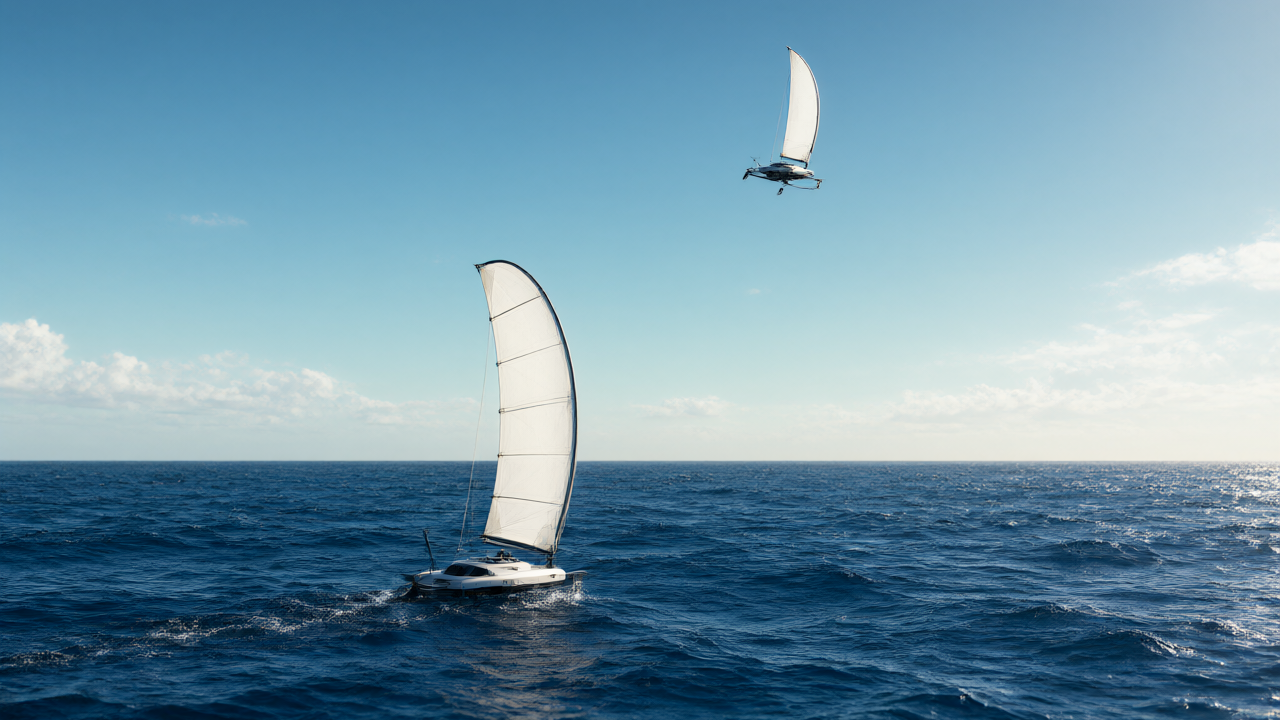
The ALBATROSS (Airborne Lander with Buoyant AuToROtating Sailing Sensor) platform successfully demonstrates a hybrid deployment method that combines the speed of aerial delivery with the endurance of wind-powered sailing. In prototype testing, the robot was released from an altitude of 150 meters, stabilized during descent, and autonomously righted itself upon landing to begin sailing. During reservoir trials in Singapore, a larger prototype reached a peak sailing speed of approximately 1 km/h and operated for about three hours.
Technical Details
The platform employs a bioinspired design to minimize mechanical complexity and cost:
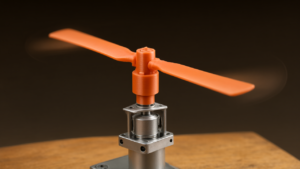
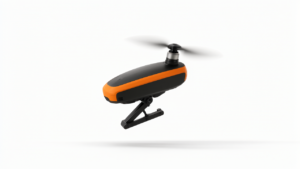
- Descent: Two rigid wingsails enable passive autorotation similar to a maple seed, slowing the fall and stabilizing the craft without the need for parachutes.
- Locomotion: Once waterborne, the wings function as sails to harness wind energy. Steering is managed via a fish-tail-inspired rudder.
- Navigation: The robot navigates autonomously between set waypoints using three navigation sensors and three actuators.
- Sensing: Onboard sensors currently gather data on wind direction, heat levels, and humidity.
Background & Context
Monitoring remote maritime environments typically involves a trade-off between speed and endurance. While aircraft reach destinations quickly, they cannot remain on station long-term; conversely, surface vessels offer high endurance but suffer from slow transit times to target locations. ALBATROSS addresses this by using aircraft for initial delivery and wind energy for sustained presence.
Significance & Outlook
The researchers identify potential applications in maritime security, search and rescue, climate change research, and environmental monitoring. Future development will focus on scaling the design for open-sea operations by increasing ruggedness and durability. Planned upgrades include larger energy-storage systems and an expanded sensor suite featuring sonar and underwater sensors.
Source: https://newatlas.com/robotics/albatross-robot-sail-seed-boat/
Get our weekly technology intelligence — free
Receive an infographic that lets you judge at a glance whether each field’s analysis report is worth reading.
Subscribe Free — Weekly Tech Intelligence
By subscribing, you’ll receive Troy-Technical’s weekly technology intelligence newsletter.
- Your email and selected fields are used only to deliver the newsletter.
- We never share your information with third parties.
- You can unsubscribe anytime via the link in each email.
See our Privacy Policy for details.
Takes about a minute · Unsubscribe anytime