

Key Findings
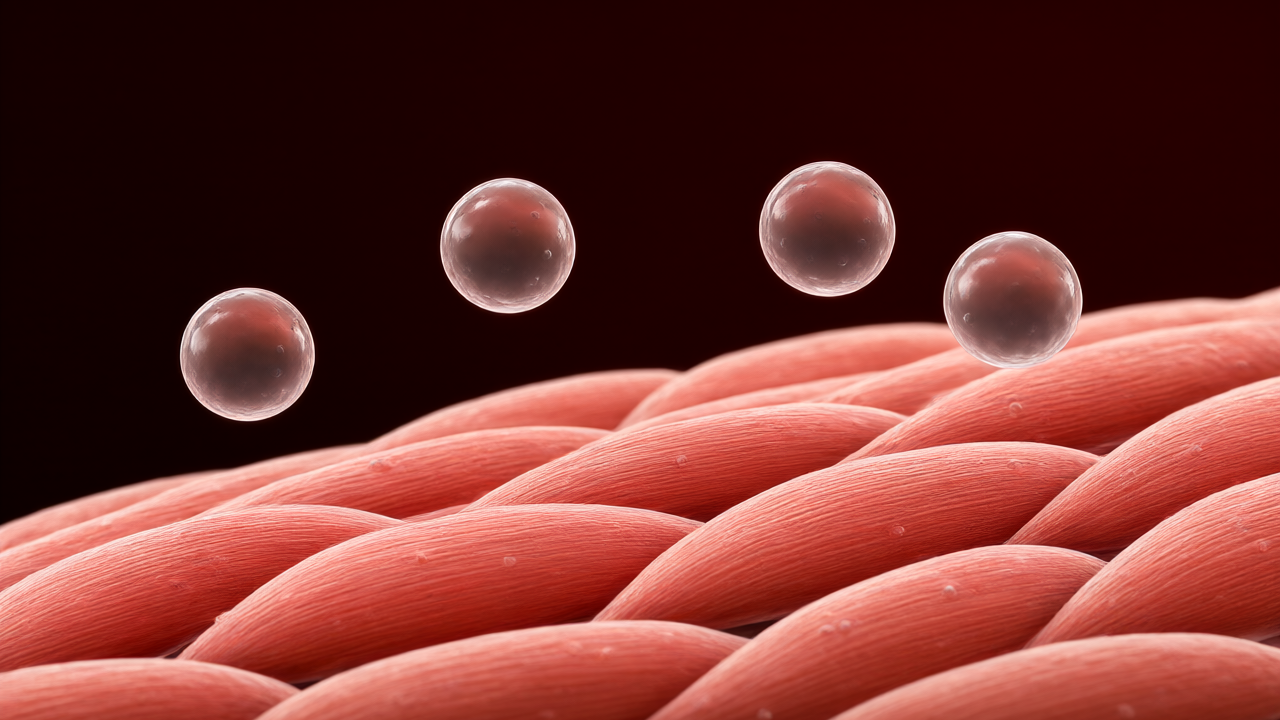
Scientists led by Shugo Tohyama of Fujita Health University have created human induced pluripotent stem cell (hiPSC)-derived cardiomyocytes that are largely invisible to the immune system. By disrupting the TAPBP gene, the team significantly reduced the expression of HLA class I proteins on the cell surface. Laboratory tests demonstrated that these edited cells evade attack by cytotoxic T cells without triggering the natural killer (NK) cell response, a common failure in previous hypoimmunogenic cell line attempts.
Technical Details
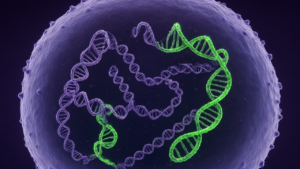
The researchers used CRISPR-Cas9 to target TAPBP, which encodes tapasin, a molecular chaperone that bridges HLA class I molecules to the TAP transporter in the endoplasmic reticulum. Tapasin is essential for loading high-affinity peptides onto HLA class I molecules. The team electroporated a plasmid encoding TAPBP guide RNA and Cas9 into an HLA haplotype-homozygous hiPSC line from Kyoto University’s Center for iPS Cell Research and Application.
- Cell Validation: Edited cells retained pluripotency markers NANOG and OCT4, showed a normal karyotype, and maintained standard expansion rates.
- HLA Expression: While the cells responded to interferon-gamma, HLA class I expression plateaued at a lower level than controls, and HLA class II remained low.
- Functional Integrity: Cardiomyocytes achieved over 95 percent purity by day 17. They exhibited normal sarcomere organization, mitochondrial distribution, and calcium transient recordings, with beat rates responding normally to the beta-adrenergic agonist isoproterenol.
Background & Context
Heart failure affects over 64 million people globally. While hiPSC-derived cardiomyocytes offer a regenerative alternative to scarce donor hearts, immunological rejection is a primary barrier. Autologous therapies are limited by manufacturing time, while allogeneic “off-the-shelf” cells risk rejection due to the high polymorphism of HLA genes. Previous attempts to remove HLA class I entirely (e.g., via beta-2 microglobulin disruption) often triggered NK cell destruction, requiring complex multi-gene edits to prevent.
Significance & Outlook
By targeting the antigen-processing machinery rather than the HLA genes themselves, this single-gene knockout provides a streamlined path to immune evasion. This reduction in genetic modification lowers off-target risks and simplifies quality control for clinical manufacturing, moving the field closer to scalable, off-the-shelf cardiac cell therapies.
Source: https://bioengineer.org/single-gene-knockout-strips-lab-grown-heart-cells-of-immune-visibility/
Get our weekly technology intelligence — free
Receive an infographic that lets you judge at a glance whether each field’s analysis report is worth reading.
Subscribe Free — Weekly Tech Intelligence
By subscribing, you’ll receive Troy-Technical’s weekly technology intelligence newsletter.
- Your email and selected fields are used only to deliver the newsletter.
- We never share your information with third parties.
- You can unsubscribe anytime via the link in each email.
See our Privacy Policy for details.
Takes about a minute · Unsubscribe anytime