


Key Findings
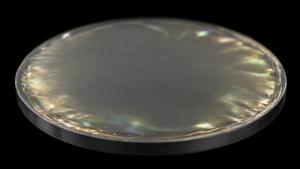
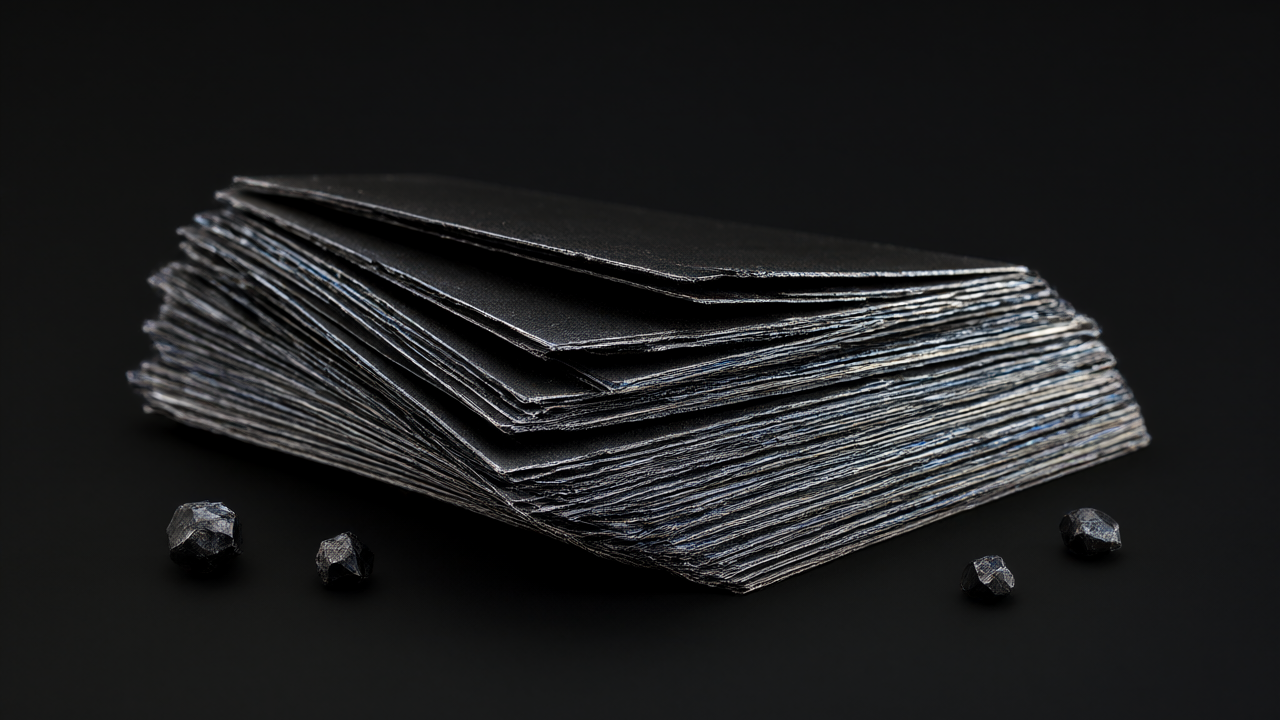
Researchers have identified 33 candidates for MXenes—two-dimensional materials—that had been synthesized in the 1970s but remained unrecognized as such until now. By combining machine-learning analysis of crystal structure databases with a review of past literature, the team successfully synthesized 18 multilayer phases. Of these, 11 are rare-earth compositions reported for the first time. The findings were published in the journal Science on October 29, 2026, under the title “Data-driven discovery and rapid, direct synthesis of MXenes” (DOI: 10.1126/science.aeh5957).
Technical Details
The discovery process utilized a multi-step workflow rather than autonomous AI design. The team employed machine learning to survey the Materials Project and the Open Quantum Materials Database (OQMD), filtering for atomic arrangements, crystal symmetry, and interatomic distances characteristic of multilayer MXenes. This narrowed the search to 56 experimentally reported compounds, 33 of which were previously classified as layered halide carbides or similar substances.
To produce the materials, the team used self-propagating high-temperature synthesis (SHS). This method involves a brief ignition that triggers a high-temperature chemical reaction finishing within minutes, avoiding the need for sustained external heating. This contrasts with conventional MXene production, which typically requires etching MAX phase precursors with hydrofluoric acid.
Background & Context
MXenes are transition-metal carbides and nitrides known for high electrical conductivity and large specific surface areas, making them suitable for catalysts, electromagnetic shielding, and battery electrodes. The study specifically targeted multilayer structures with the general formula M2XT2 (where M is a metal, X is carbon or nitrogen, and T is a terminating element). Because these structures were studied in the 1970s—before the rise of graphene and 2D materials research—their potential as MXenes was previously unexplored.
Significance & Outlook
The study demonstrates that revisiting legacy crystallographic data through a modern lens can uncover viable materials without starting from scratch. By integrating AI-driven classification with first-principles calculations and rapid synthesis, the researchers established a full workflow for the efficient discovery of 2D materials.
Source: https://xenospectrum.com/en/ai-rediscovered-multilayer-mxenes-science-2026/
Get our weekly technology intelligence — free
Receive an infographic that lets you judge at a glance whether each field’s analysis report is worth reading.
Subscribe Free — Weekly Tech Intelligence
By subscribing, you’ll receive Troy-Technical’s weekly technology intelligence newsletter.
- Your email and selected fields are used only to deliver the newsletter.
- We never share your information with third parties.
- You can unsubscribe anytime via the link in each email.
See our Privacy Policy for details.
Takes about a minute · Unsubscribe anytime