

Key Findings
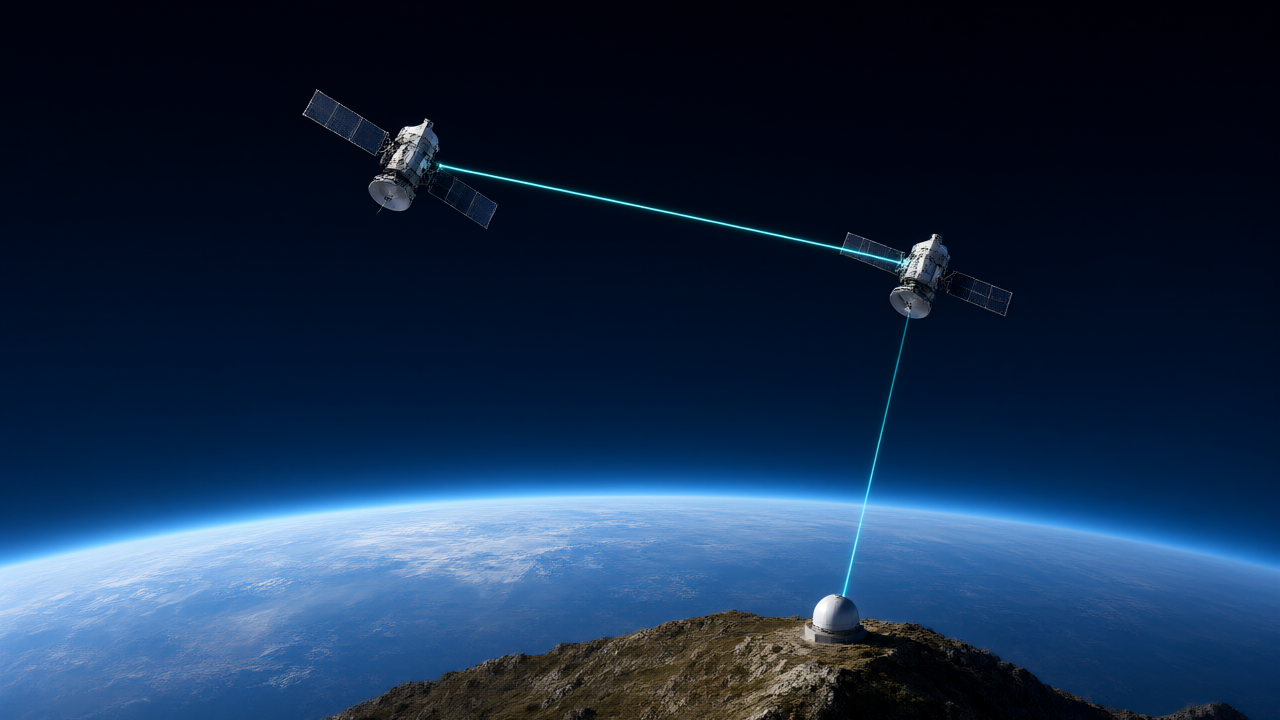
NTT has introduced the “Space AIOWN” concept, which integrates optical communication technology into satellite networks to eliminate the capacity and latency bottlenecks of traditional radio-frequency systems. The initiative is supported by a “mega-constellation” collaboration involving NTT, NTT Docomo Business, Mitsubishi Electric, MUFG Bank, and the Development Bank of Japan (DBJ), who signed a memorandum of understanding on November 9, 2026.
Technical Details
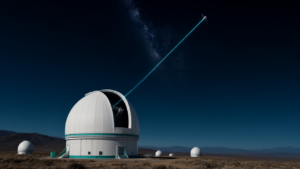
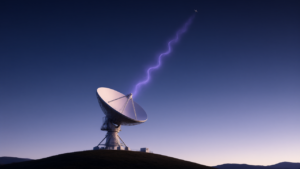
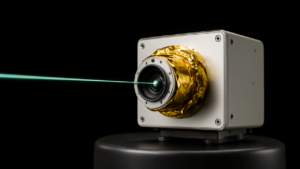
The system utilizes laser terminals equipped with NTT’s optical transceiver modules and digital coherent technology. Technical specifications include:
- Transmission Speeds: Capability for speeds exceeding 400Gbps, or a stable 25Gbps for long-distance communication up to 5,000km.
- Mobility Compensation: Proprietary correction technology that handles velocity differences of up to 10km per second.
- Atmospheric Mitigation: Integration of technology to correct light distortion caused by atmospheric turbulence and network control to predict optimal communication paths based on weather and satellite movement.
- Infrastructure: The use of the All-Photonics Network (APN) to dynamically route data between satellites and ground stations located near data centers to ensure low-latency transmission.
Background & Context
Current satellite communications face significant constraints; low Earth orbit (LEO) satellites typically communicate with ground stations only once every 90 minutes on average. With daily communication volumes projected to reach 230PB by 2033, NTT argues that the wider frequency bandwidth of light—compared to radio waves—is essential to prevent congestion and interference.
Significance & Outlook
NTT expects to begin business operations using optical ground stations between 2028 and 2029. Future extensions of the project include the development of space-based data centers for distributed processing to reduce the volume of data sent to Earth, as well as extending optical communications to the lunar surface and developing laser-based power supply for lunar probes.
Source: https://eetimes.itmedia.co.jp/ee/articles/2611/17/news057.html
Get our weekly technology intelligence — free
Receive an infographic that lets you judge at a glance whether each field’s analysis report is worth reading.
Subscribe Free — Weekly Tech Intelligence
By subscribing, you’ll receive Troy-Technical’s weekly technology intelligence newsletter.
- Your email and selected fields are used only to deliver the newsletter.
- We never share your information with third parties.
- You can unsubscribe anytime via the link in each email.
See our Privacy Policy for details.
Takes about a minute · Unsubscribe anytime