Background
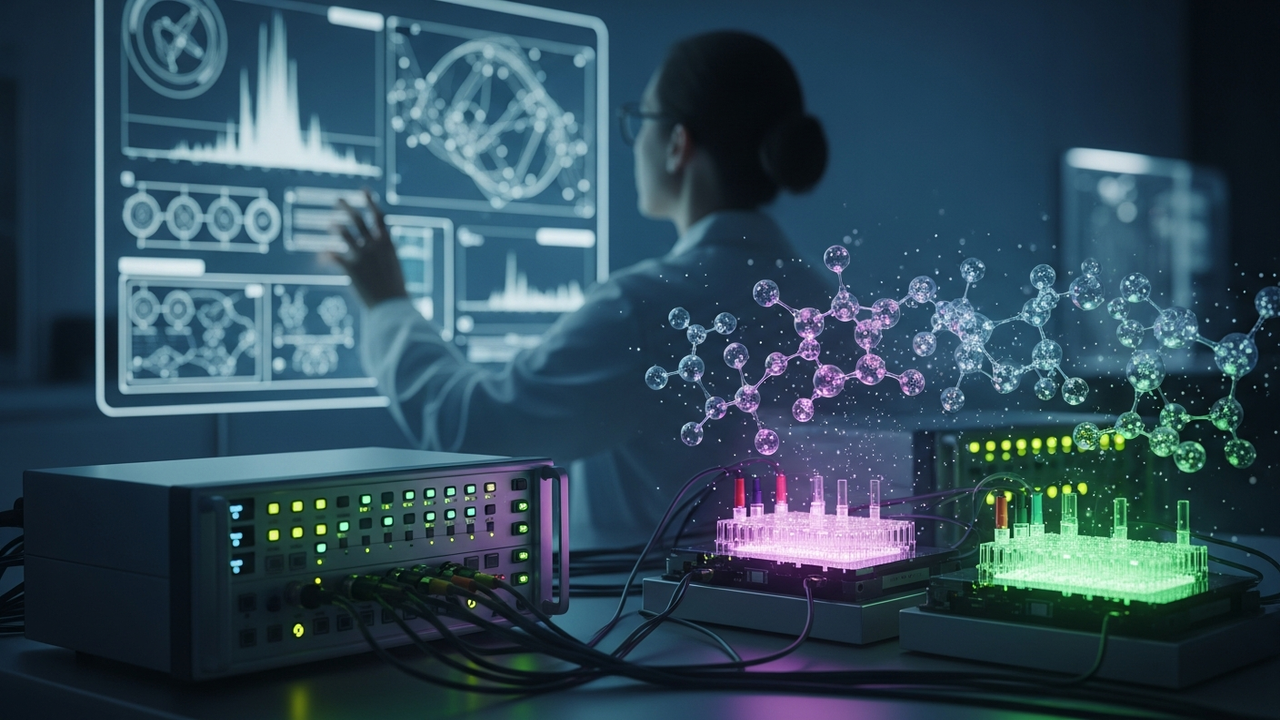
Biosensing technology is gaining increasing importance as a foundational technology, offering innovative solutions across diverse fields such as medical diagnostics, environmental monitoring, food safety, and biodefense. Particularly in recent years, its fusion with advancements in nanotechnology, microfluidics, and artificial intelligence (AI) has accelerated the development of next-generation biosensors that are more sensitive, specific, rapid, and portable. Such technological breakthroughs are essential for early disease detection and the advancement of preventive medicine, attracting significant interest from both academia and industry.
Key Findings / Results
The 9th International Conference on Bio-Sensing Technology will serve as a premier international forum for discussing the latest scientific and technological advancements in the biosensing field. It will be held in Kuala Lumpur, Malaysia, from May 10-13, 2026. The main themes and focal points of the discussions include:
- Novel Sensor Surfaces and Materials: Innovations in nanomaterials such as graphene, carbon nanotubes, metal nanoparticles, and polymers, along with advanced surface modification techniques, will be presented to enhance detection sensitivity and selectivity. These materials improve the immobilization efficiency of biorecognition elements and bolster sensor stability and durability.
- New Transduction Technologies: New sensor designs based on various transduction principles—electrochemical, optical, piezoelectric, and thermal—will be discussed. A particular focus will be on technologies enabling label-free detection, real-time monitoring, and multiplexed sensing. For instance, advancements in FET (Field-Effect Transistor)-based biosensors and Surface Plasmon Resonance (SPR) sensors will be highlighted.
- Innovative Approaches in Biomarker Discovery: New biosensor technologies accelerate the discovery and validation of novel biomarkers crucial for early disease diagnosis, treatment efficacy monitoring, and disease prognosis prediction. Examples include detection technologies for liquid biomarkers such as circulating tumor DNA (ctDNA), exosomes, and specific microRNAs (miRNA).
- Broad Application Areas: The conference will share the latest application examples of biosensing technology in medical diagnostics (e.g., infectious diseases, cancer, cardiovascular diseases), environmental monitoring (e.g., water quality, soil pollution, air pollution), food safety (e.g., pathogens, toxins, allergens), and defense/security (e.g., detection of biological and chemical weapons).
This conference provides an opportunity for researchers, scientists, engineers, and clinicians to converge, fostering interdisciplinary discussions and collaborations aimed at advancing and commercializing biosensing technologies.
Technical Significance & Outlook
This international conference is expected to accelerate advancements in biosensing technology, significantly impacting human health, safety, and the realization of a sustainable society. The cutting-edge technologies discussed will lead to concrete progress in the following areas:
- Realization of Personalized Medicine: Highly sensitive biomarker detection will enable personalized diagnosis and treatment selection for individual patients, driving precision medicine forward.
- Strengthening Public Health: Rapid diagnosis and screening of infectious diseases will improve pandemic response capabilities and curb disease spread.
- Environmental Protection and Food Safety: Real-time detection of environmental pollutants and harmful substances in food will protect public safety and contribute to sustainable resource management.
- Promoting Industrial Innovation: Accelerates the development and market entry of new biosensor products, contributing to economic growth and job creation.
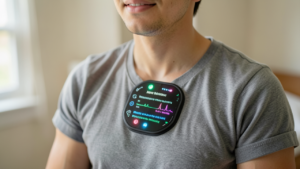
The new knowledge and collaborations emerging from this conference will inspire further innovations in biosensing technology, making various aspects of our lives smarter and safer. Particularly, the convergence with AI, miniaturization into wearables, and enhancement of multiplex detection capabilities are considered critical directions for future development.
Source: https://www.elsevier.com/events/conferences/all/international-conference-on-bio-sensing-technology




Comments