Key Findings
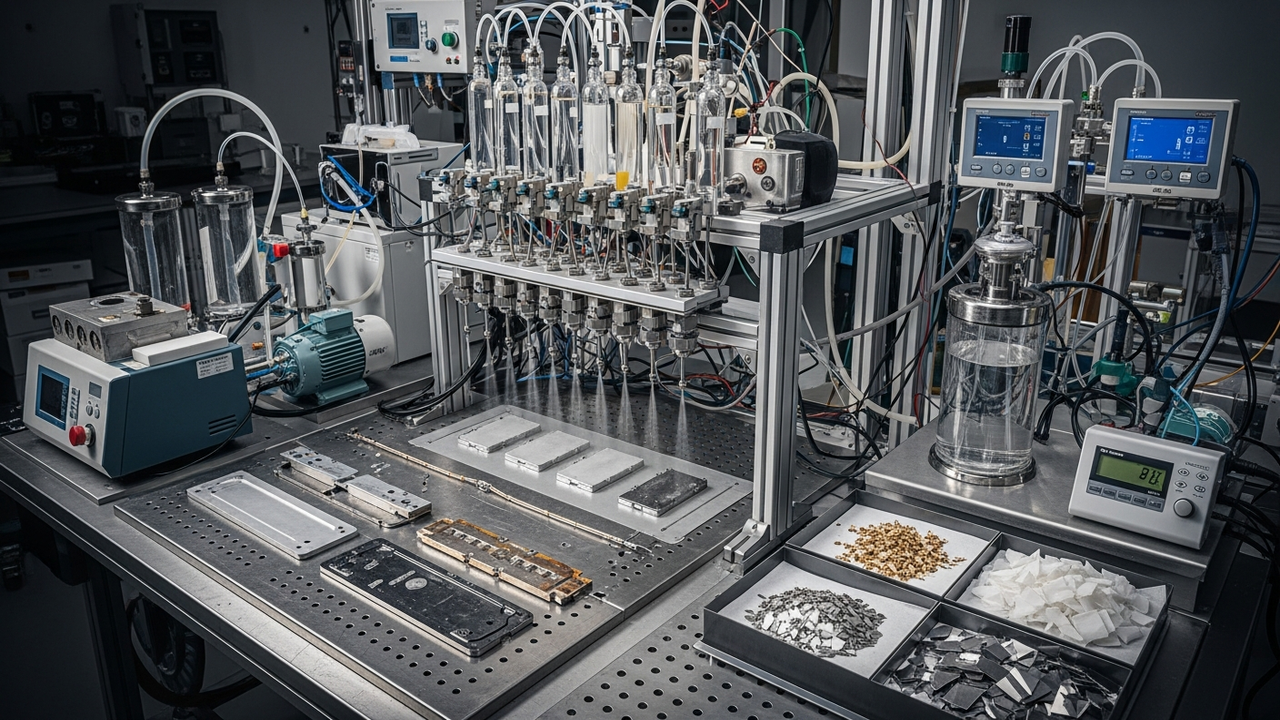
Researchers at the University of Delaware have engineered a groundbreaking spray-jet recycling process designed to recover valuable platinum-group metals (PGMs) such as iridium and platinum, alongside high-value PFAS (per- and polyfluoroalkyl substances) membranes, from end-of-life Proton Exchange Membrane (PEM) electrolyzers and fuel cells. This innovative technique promises to significantly bolster the sustainability and economic feasibility of hydrogen energy technologies.
Technical / Clinical Details
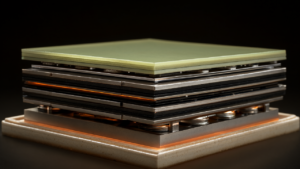
- Target Materials: The process specifically targets iridium and platinum catalysts found in the catalyst layers of PEM electrolyzers and fuel cells, as well as the critical PFAS materials used for the electrolyte membranes.
- Spray-Jet Method Advantages: Unlike conventional mechanical grinding or chemical dissolution methods that often degrade the membrane, the spray-jet technique enables the recovery of both the precious metal catalysts and the PFAS membranes while maintaining their structural integrity. This preservation of the membrane is crucial, as PFAS materials constitute a substantial 20-30% of the overall stack cost, making their reuse highly economical.
- Environmental Impact: PFAS compounds, often dubbed ‘forever chemicals,’ pose significant environmental challenges due to their persistence. This recycling process offers a path to reduce the environmental footprint by facilitating the recovery and reuse of PFAS, thereby promoting a more circular economy for these essential materials.
Background & Context
The widespread adoption of green hydrogen production, especially via PEM electrolyzers, faces substantial hurdles, primarily due to the high cost and supply chain risks associated with iridium and platinum. Iridium, being exceptionally scarce, is subject to volatile price fluctuations that directly impact hydrogen production costs. Concurrently, the increasing regulatory scrutiny on PFAS manufacturing and disposal underscores the urgent need for sustainable management strategies for these high-value materials. This new recycling technology directly addresses these challenges by enabling the recovery and reintroduction of these expensive and environmentally sensitive materials into the manufacturing loop, thereby lowering overall hydrogen production expenses and fostering resource efficiency.
Strategic Significance & Outlook
This advanced recycling technology represents a pivotal development for the hydrogen economy, promising to alleviate the environmental burden and enhance resource efficiency throughout the lifecycle of PEM electrolyzers and fuel cells. By making the recovery of critical materials both technically viable and economically attractive, it supports the transition towards a more sustainable and cost-effective green hydrogen ecosystem. The ability to reintegrate recovered PGMs and PFAS membranes into new product manufacturing lines is expected to accelerate the commercialization and broader adoption of hydrogen energy, positioning it as a more competitive and environmentally responsible fuel source for the future.
Source: https://www.udel.edu/udaily/2026/july/green-recycling-hydrogen-energy-materials/
Get our weekly technology intelligence — free
Receive an infographic that lets you judge at a glance whether each field’s analysis report is worth reading.
Subscribe Free — Weekly Tech Intelligence
By subscribing, you’ll receive Troy-Technical’s weekly technology intelligence newsletter.
- Your email and selected fields are used only to deliver the newsletter.
- We never share your information with third parties.
- You can unsubscribe anytime via the link in each email.
See our Privacy Policy for details.
Takes about a minute · Unsubscribe anytime