Background
Green hydrogen, produced from renewable energy sources, is widely recognized as a pivotal clean energy carrier for decarbonizing various sectors. However, its widespread commercialization is currently hampered by prohibitively high production costs. A major contributing factor is the reliance on expensive membranes and noble metal catalysts in conventional Proton Exchange Membrane (PEM) electrolyzers. In response, numerous research institutions worldwide are vigorously pursuing membrane-free electrolysis technologies, such as the developed DEFT, given their potential to overcome these cost barriers and enable more scalable, cost-effective hydrogen production critical for accelerating the global energy transition.
Key Findings
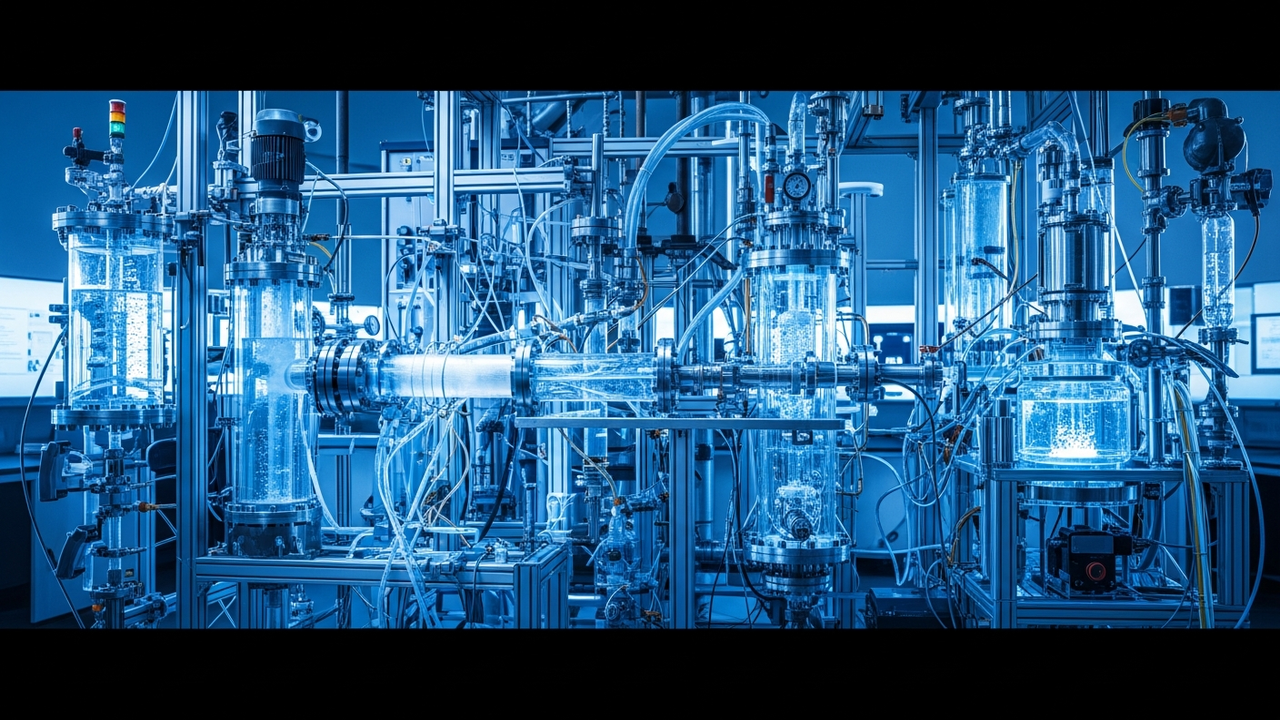
The JENano Group at the University of Johannesburg (UJ) has achieved significant advancements in green hydrogen and energy storage technologies. Central to these efforts is the development of “DEFT” (Direct Electrolytic Fueling Technology), an innovative membrane-free hydrogen production technique. This breakthrough demonstrates the potential to significantly reduce the levelized cost of hydrogen (LCOH) compared to conventional membrane-based electrolysis systems, thereby directly addressing a critical barrier to widespread green hydrogen adoption.
Technical Details
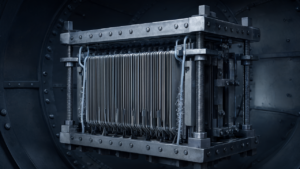
- Overview of DEFT Technology: DEFT is an electrolysis technology that produces hydrogen directly from water, crucially bypassing the need for costly and complex membrane components such as Proton Exchange Membranes (PEMs) or Anion Exchange Membranes (AEMs). This membrane-free approach inherently simplifies electrolyzer design, leading to substantial reductions in both material and manufacturing costs. Moreover, it obviates common challenges associated with membrane-based systems, such as membrane degradation, performance decline over time, and inherent lifespan limitations.
- Cost Reduction Potential: As membranes constitute a significant cost driver in electrolyzers, DEFT technology offers considerable reductions in both Capital Expenditure (CAPEX) and Operational Expenditure (OPEX). This directly translates to a lower Levelized Cost of Hydrogen (LCOH), making green hydrogen more economically competitive with fossil fuel-derived alternatives. The systemic simplification further reduces maintenance requirements and extends the operational lifespan of the electrolyzer.
- JENano Group’s Research Scope: In addition to DEFT, the JENano Group is actively engaged in broader research and development (R&D) encompassing next-generation electrolyzer components (e.g., catalysts and electrode materials), high-efficiency fuel cell systems, and advanced hydrogen storage materials. This comprehensive approach seeks to drive technological innovation across the entire hydrogen energy value chain, from production and storage to diverse end-use applications.
Strategic Significance
The successful commercialization of DEFT technology could dramatically reduce the production cost of green hydrogen, thereby significantly accelerating the realization of a global hydrogen economy. This positions hydrogen fuel as a more economically viable option across a wide spectrum of sectors, including transportation, industrial processes, and large-scale energy storage. The groundbreaking research from the University of Johannesburg’s JENano Group is expected to make a profoundly important contribution not only to South Africa’s energy future but also to the global hydrogen economy, fostering a more sustainable and accessible clean energy ecosystem worldwide.
Get our weekly technology intelligence — free
Receive an infographic that lets you judge at a glance whether each field’s analysis report is worth reading.
Subscribe Free — Weekly Tech Intelligence
By subscribing, you’ll receive Troy-Technical’s weekly technology intelligence newsletter.
- Your email and selected fields are used only to deliver the newsletter.
- We never share your information with third parties.
- You can unsubscribe anytime via the link in each email.
See our Privacy Policy for details.
Takes about a minute · Unsubscribe anytime