Key Findings
The U.S. Department of Energy (DOE) has published a comprehensive set of technical targets for hydrogen storage systems specifically designed for material handling equipment, such as forklifts. These targets encompass a wide range of parameters, including hydrogen capacity, volumetric capacity, system cost, durability, operability, charge/discharge rates, and fuel purity. A particular emphasis is placed on meeting stringent hydrogen quality standards like CSA HPIT 1, ensuring both safety and performance in demanding industrial environments. This strategic initiative aims to accelerate the widespread adoption of hydrogen fuel within this critical industrial sector.
Technical / Clinical Details
- Comprehensive Technical Objectives: The DOE’s established technical targets focus on several key performance parameters:
- Hydrogen and Volumetric Capacity: Defining the required storage volume to ensure sufficient operational duration for equipment while maximizing space efficiency within the vehicle.
- System Cost: Setting target costs to ensure economic competitiveness against traditional battery systems and fossil fuel-powered alternatives, fostering broader market acceptance.
- Durability: Specifying the expected lifespan of storage systems to withstand prolonged use in harsh industrial environments, reducing total cost of ownership.
- Operability: Encompassing ease of use, including rapid refueling, simple maintenance procedures, and reliable operation across a wide range of ambient temperatures.
- Charge/Discharge Rate: Ensuring quick hydrogen fueling and supply capabilities to maintain efficient operational workflows and minimize downtime.
- Fuel Purity: Mandating compliance with strict hydrogen quality standards, such as CSA HPIT 1, which is critical for guaranteeing fuel cell performance and extending their lifespan by preventing contamination.
- Emphasis on Safety Standards: Industrial environments where material handling equipment operates demand exceptionally high safety standards. The DOE’s targets strongly emphasize adherence to rigorous safety protocols and standards for hydrogen handling and storage, thereby protecting both workers and facility assets from potential hazards.
Background & Context
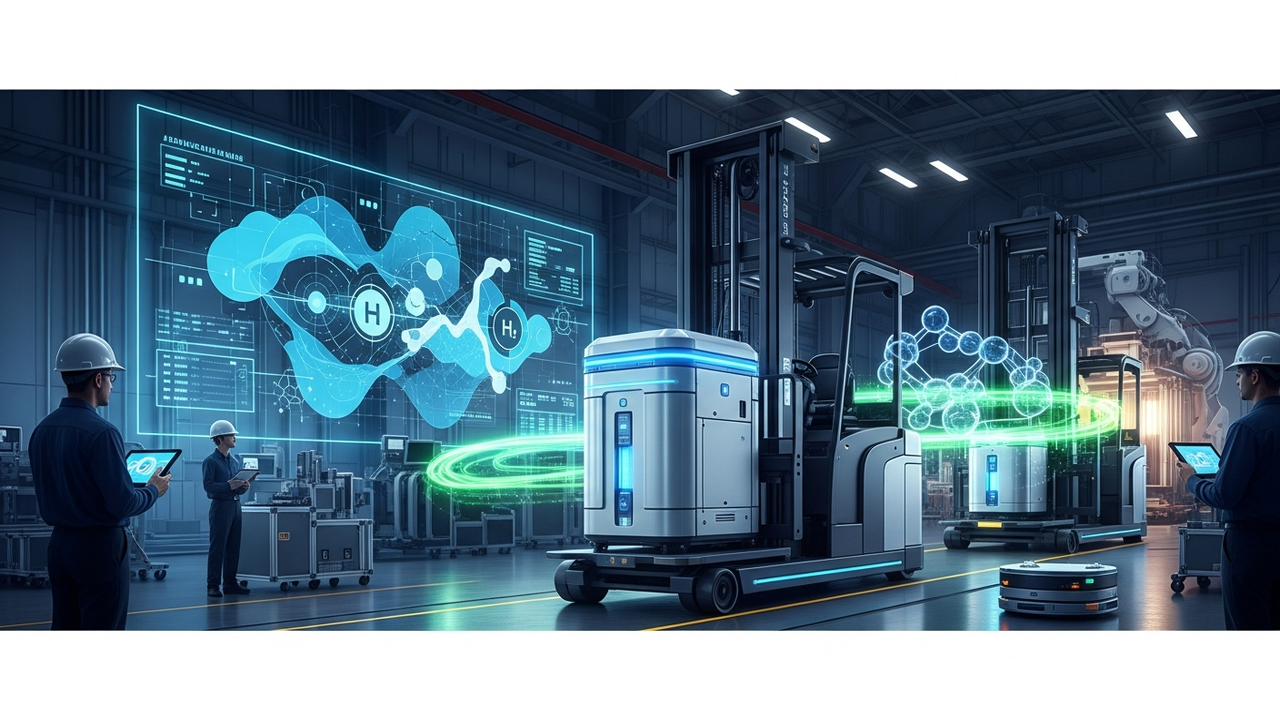
Material handling equipment, including forklifts, is extensively used in warehouses, factories, and logistics centers, predominantly powered by batteries or propane/diesel. Battery-powered units suffer from long recharging times and degradation over shifts, while propane/diesel variants generate problematic emissions. Hydrogen fuel cell systems offer a promising alternative, providing rapid refueling, zero emissions at the point of use, and consistent power output throughout a shift. The DOE’s technical targets are designed to accelerate the commercialization and standardization of hydrogen fuel cell technology in this market, addressing existing operational and environmental challenges.
Strategic Significance & Outlook
The clear technical targets set by the DOE serve as a vital roadmap for researchers, manufacturers, and adopting companies in the hydrogen storage system sector. Achieving these objectives will significantly accelerate the deployment of hydrogen fuel cells in material handling equipment, stimulating the development of a robust supply chain. This will not only promote decarbonization in logistics and industrial operations but also create crucial early demand for hydrogen infrastructure, contributing to the broader development of the hydrogen economy. This sector’s success can serve as a proving ground for hydrogen technologies before wider applications.
Get our weekly technology intelligence — free
Receive an infographic that lets you judge at a glance whether each field’s analysis report is worth reading.
Subscribe Free — Weekly Tech Intelligence
By subscribing, you’ll receive Troy-Technical’s weekly technology intelligence newsletter.
- Your email and selected fields are used only to deliver the newsletter.
- We never share your information with third parties.
- You can unsubscribe anytime via the link in each email.
See our Privacy Policy for details.
Takes about a minute · Unsubscribe anytime