Key Findings
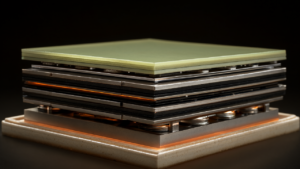
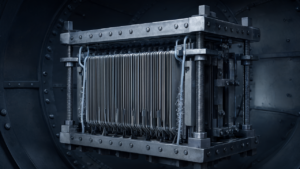
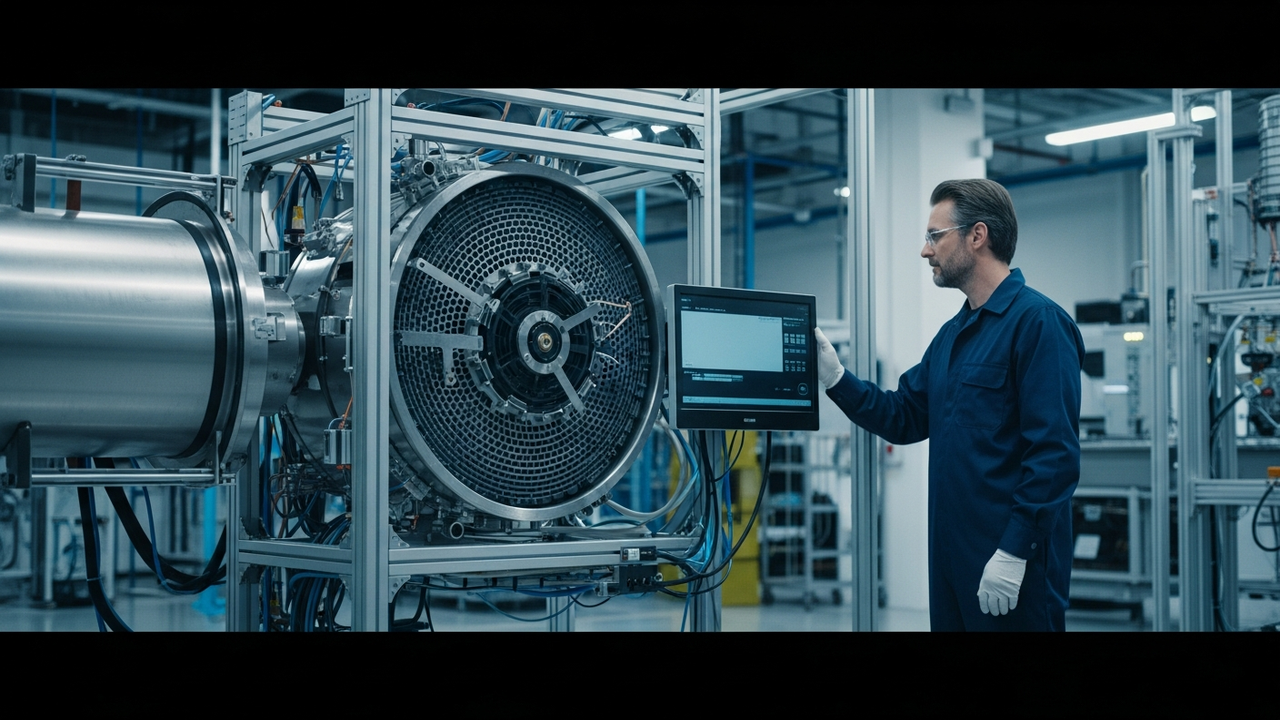
A team of Australian engineers has developed a revolutionary water-free fuel cell membrane that fundamentally addresses the persistent challenges of water management in conventional fuel cells. This novel membrane successfully enables fuel cells to operate stably in a bone-dry state at an unprecedented high temperature of approximately 250°C (482°F). This breakthrough paves the way for simplified fuel cell designs, substantial efficiency improvements, and an expansion of application areas, potentially revolutionizing the hydrogen fuel cell industry.
Technical / Clinical Details
- Water-Free Membrane Mechanism: Conventional Proton Exchange Membrane (PEM) fuel cells require the membrane to be constantly humidified to facilitate proton (hydrogen ion) transport. In stark contrast, this new membrane is optimized to maintain proton conductivity even without water, likely through a distinct chemical structure or material design. While specific material compositions remain largely proprietary, it is speculated that advanced ionic liquids or specific polymer composites may be utilized to achieve this unique characteristic.
- Advantages of High-Temperature, Dry Operation:
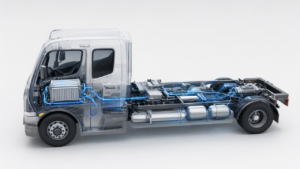
- Elimination of Water Management Systems: The removal of humidification requirements means that complex and heavy water management systems, including pumps, water reservoirs, and humidifiers, become redundant. This significantly reduces the total weight and volume of the fuel cell system, leading to substantial manufacturing cost reductions and simpler integration.
- Enhanced Efficiency: Fuel cells operating at higher temperatures inherently benefit from improved thermodynamic efficiency and faster catalytic reaction rates. Furthermore, common issues like ‘cold start’ problems at low temperatures and ‘hot spots’ at high temperatures are mitigated, leading to more stable and consistent performance across a wider range of operating conditions.
- Improved CO Tolerance: High-temperature operation generally increases the tolerance of catalysts to trace amounts of carbon monoxide (CO) in the fuel stream. This enhancement broadens the range of compatible fuel sources and simplifies fuel processing requirements, potentially allowing less pure hydrogen to be used without significant performance degradation.
Background & Context
Fuel cell technology is considered a key enabler for clean energy conversion. However, current PEM fuel cells have been constrained by their need for membrane humidification and cooling, resulting in relatively low operating temperatures (typically around 80°C) and the necessity for complex, costly water management systems. These limitations have hampered system simplification, performance enhancement, and widespread adoption, especially in applications demanding lightweight and high-efficiency solutions like automotive and aerospace. The Australian research directly challenges these fundamental barriers, aiming to unlock the full potential of fuel cell technology.
Strategic Significance & Outlook
The development of a water-free, high-temperature operable fuel cell membrane has the potential to revolutionize fuel cell technology. The dramatic simplification of systems and significant efficiency gains could reduce manufacturing costs, improve durability, and accelerate adoption in sectors where implementation has previously been challenging, such as automotive, aviation, and stationary power generation. This breakthrough is expected to solidify hydrogen fuel cells as a more broadly applicable clean energy solution, making a substantial contribution to achieving global decarbonization targets and fostering a more resilient and sustainable energy ecosystem worldwide.
Source: https://www.autonocion.com/us/hydrogen-fuel-cell-manufactures-water-membrane-australian-engineers/
Get our weekly technology intelligence — free
Receive an infographic that lets you judge at a glance whether each field’s analysis report is worth reading.
Subscribe Free — Weekly Tech Intelligence
By subscribing, you’ll receive Troy-Technical’s weekly technology intelligence newsletter.
- Your email and selected fields are used only to deliver the newsletter.
- We never share your information with third parties.
- You can unsubscribe anytime via the link in each email.
See our Privacy Policy for details.
Takes about a minute · Unsubscribe anytime