Key Findings
India faces a substantial annual hydrogen demand of 6 million metric tons (MMT), with the majority currently supplied by fossil fuel-derived ‘grey hydrogen.’ In stark contrast, domestic green hydrogen production capacity is critically low, estimated at less than 20,000 tons. However, a dramatic approximately 60% reduction in electrolyzer costs over the past five years is significantly expanding the commercial viability and market opportunities for green hydrogen projects across India. This cost reduction is a powerful enabler for India’s decarbonization ambitions.
Technical / Clinical Details
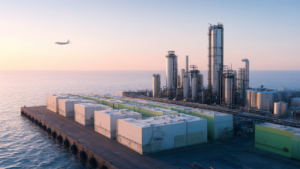
- Demand-Supply Imbalance: The bulk of India’s current hydrogen demand originates from heavy industries such as fertilizer manufacturing, oil refining, and steel production. These sectors are notoriously difficult to decarbonize, making a transition to green hydrogen imperative. The severe deficit in green hydrogen supply, relative to demand, presents a colossal opportunity for investment in large-scale green hydrogen production projects.
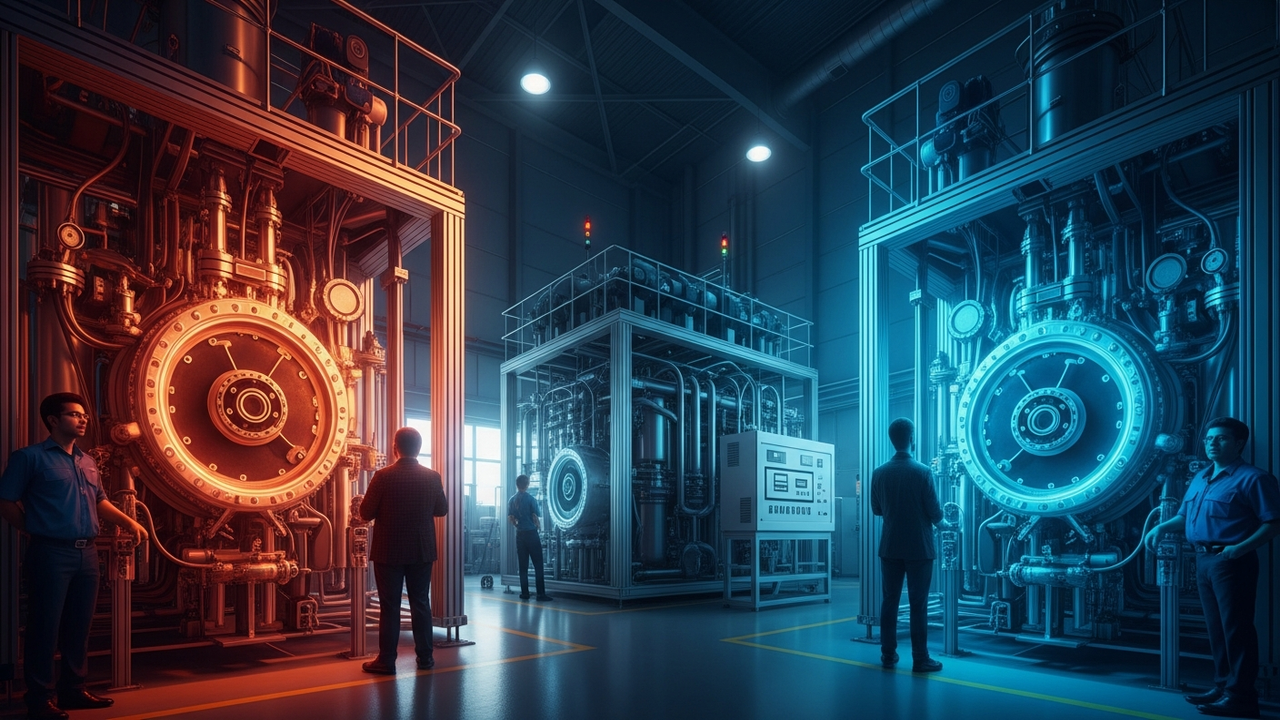
- Dramatic Electrolyzer Cost Reduction: The approximately 60% reduction in electrolyzer manufacturing costs over the last five years is a critical factor in enhancing the price competitiveness of green hydrogen. This cost decrease is attributable to technological innovations, economies of scale in manufacturing, and supply chain optimization, with further reductions anticipated in the coming years. This makes green hydrogen an increasingly attractive alternative to fossil-based hydrogen.
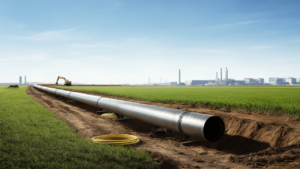
- Infrastructure Development Imperative: Scaling up green hydrogen production capacity to meet India’s vast demand will require comprehensive infrastructure development. This includes not only electrolyzer facilities but also expanded renewable energy generation, robust hydrogen storage and transportation networks, and widespread refueling stations, necessitating significant coordinated investment.
Background & Context
India is pursuing an ambitious ‘National Green Hydrogen Mission’ with dual objectives: combating climate change and bolstering energy security. This mission aims to establish 5 million tons per annum of green hydrogen production capacity by 2030. The recent significant reduction in electrolyzer costs provides a strong tailwind for achieving this target. The current large disparity between existing hydrogen demand and green hydrogen supply signals a massive opportunity for industrial transformation and substantial investment in the sector, positioning India as a key player in the global green energy transition.
Strategic Significance & Outlook
The continuous reduction in electrolyzer costs, coupled with proactive governmental policy support, positions India to potentially become a global leader in green hydrogen production. This momentum is expected to accelerate the decarbonization of key industries such as fertilizers, oil refining, and steel manufacturing, thereby enhancing the overall sustainability of India’s industrial landscape. Furthermore, strengthening indigenous green hydrogen production capabilities will improve India’s energy security and establish its position in the international clean energy market, playing a vital role in global climate action efforts. This signifies a fundamental shift in India’s energy strategy towards a cleaner, more resilient future.
Source: https://www.entrepreneurindia.co/blogs/green-hydrogen-plant-setup-in-india/
Get our weekly technology intelligence — free
Receive an infographic that lets you judge at a glance whether each field’s analysis report is worth reading.
Subscribe Free — Weekly Tech Intelligence
By subscribing, you’ll receive Troy-Technical’s weekly technology intelligence newsletter.
- Your email and selected fields are used only to deliver the newsletter.
- We never share your information with third parties.
- You can unsubscribe anytime via the link in each email.
See our Privacy Policy for details.
Takes about a minute · Unsubscribe anytime