Key Findings
The French government has announced a substantial commitment of €778 million (approximately $887 million) in subsidies over a 15-year period for three selected electrolytic hydrogen projects. This significant financial backing is a crucial step towards achieving France’s ambitious target of installing 1 GW of national electrolyzer capacity, reinforcing its position in the European hydrogen economy.
Technical & Industrial Details
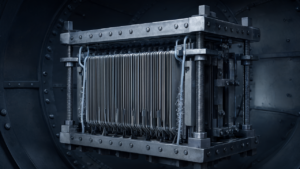
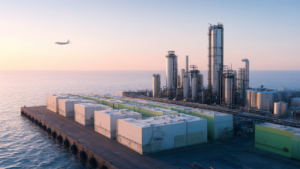
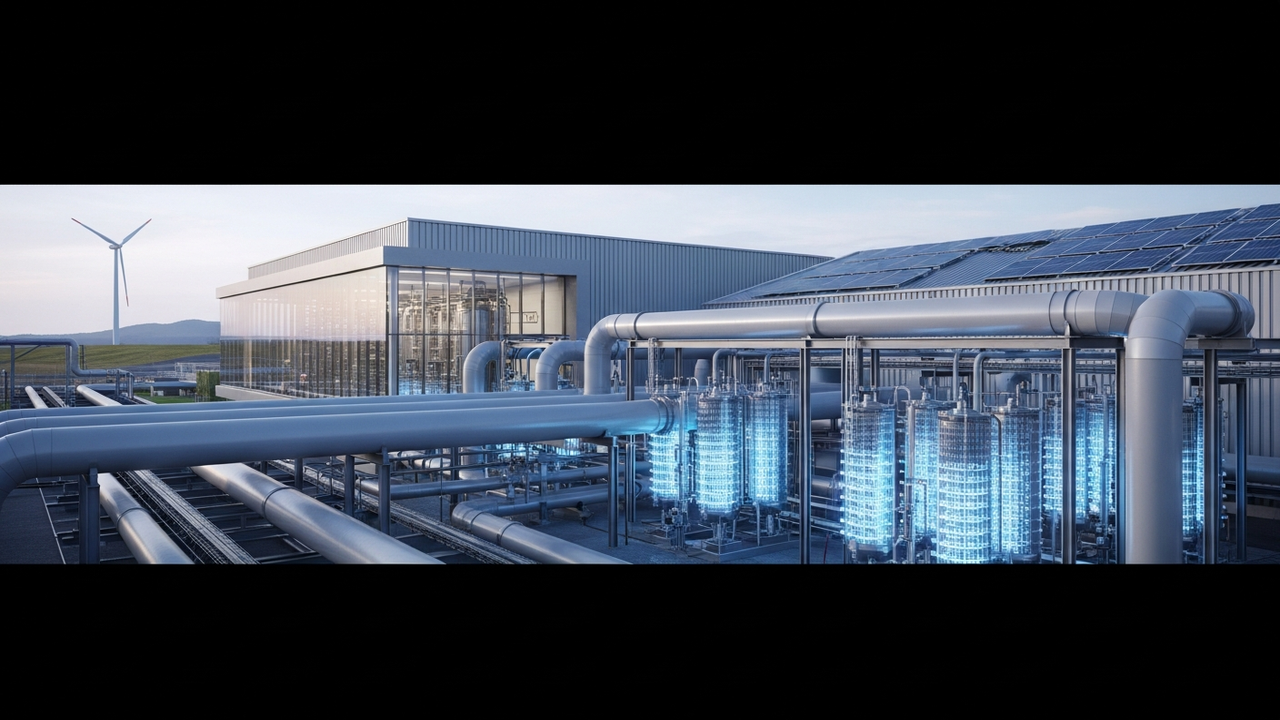
These subsidies are directed towards projects that produce green or low-carbon hydrogen through water electrolysis, powered by both nuclear energy and renewable sources. The primary focus is on supplying hydrogen to industrial sectors where direct electrification is not economically or technically feasible, such as chemical manufacturing, steel production, and fertilizer industries. The three chosen projects boast a combined installed capacity of 455 MW, though the subsidies are specifically allocated to support 161.4 MW of this capacity. This targeted approach is designed to mitigate market price volatility risks and enhance the commercial viability of high-capital-cost electrolytic hydrogen projects. The policy aims to ensure a diversified power supply for hydrogen production, establishing a stable and low-carbon hydrogen supply chain.
Background & Context
France has positioned climate action and strengthening energy sovereignty as pillars of its national strategy, with hydrogen energy playing a central role. Leveraging its robust nuclear industry base and expanding renewable energy sector, France holds a unique advantage in low-carbon hydrogen production. The government’s 1 GW target not only aims at decarbonizing domestic industries but also at contributing significantly to Europe’s broader energy transition goals. Such large-scale subsidies are an indispensable policy tool for bridging the economic gap faced by nascent hydrogen industries, thereby attracting private investment and accelerating deployment.
Strategic Significance & Outlook
This subsidy allocation is paramount for France to solidify its position as a leading player in green and low-carbon hydrogen production within Europe. The success of these three projects is expected to attract further investment and technological innovation, accelerating the development of the entire domestic hydrogen value chain. For the industry, access to stable supply and predictable pricing of low-carbon hydrogen will provide a strong incentive for decarbonization. France’s proactive stance is anticipated to have a considerable technological and economic impact on the development of the broader European hydrogen ecosystem, fostering a more sustainable and energy-independent future.
Get our weekly technology intelligence — free
Receive an infographic that lets you judge at a glance whether each field’s analysis report is worth reading.
Subscribe Free — Weekly Tech Intelligence
By subscribing, you’ll receive Troy-Technical’s weekly technology intelligence newsletter.
- Your email and selected fields are used only to deliver the newsletter.
- We never share your information with third parties.
- You can unsubscribe anytime via the link in each email.
See our Privacy Policy for details.
Takes about a minute · Unsubscribe anytime