Background
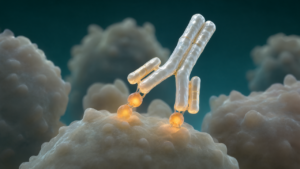
Glioblastoma (GBM) is a highly aggressive brain tumor with an extremely poor prognosis; despite current treatments (surgery, radiotherapy, and chemotherapy), most patients die within two years of diagnosis. One of the primary reasons for treatment difficulty is the blood-brain barrier (BBB), which prevents many anticancer drugs from reaching the brain, thus hindering sufficient drug concentration at the tumor site. Nanomedicine holds the potential to overcome the BBB in ways impossible with conventional drugs, enabling direct drug delivery to tumor cells. This is expected to enhance GBM treatment efficacy while minimizing systemic toxicity. Research in this field is driven by interdisciplinary approaches encompassing molecular biology, materials science, nanotechnology, and recently, artificial intelligence (AI), offering new hope for GBM treatment, an area with high unmet medical needs.
Key Findings
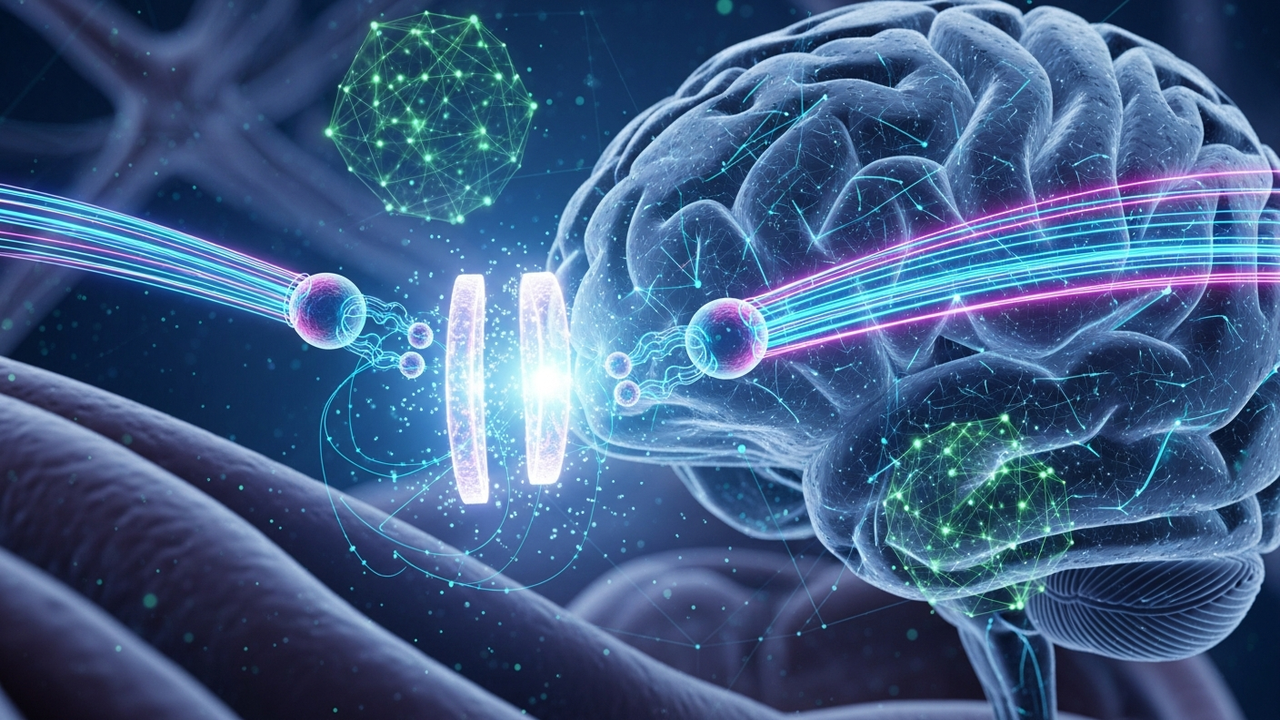
Nanomedicine is garnering significant attention as a groundbreaking solution for overcoming the long-standing challenge of the blood-brain barrier (BBB) in treating glioblastoma (GBM), the most aggressive brain tumor. Researchers are focused on designing nanoparticles that effectively protect drug cargo, extend circulation time in the bloodstream, and interact with specific receptors on the BBB to efficiently deliver drugs into the brain.
Advanced Nanomedicine Approaches
This review evaluates various types of BBB-permeable nanomedicines, namely lipid-based, polymer-based, and inorganic nanoparticles. These nanoparticles are designed to enhance BBB permeability and facilitate drug uptake into the brain by modifying their surfaces with specific ligands (e.g., transferrin receptor-targeting peptides). Of particular interest are stimuli-responsive nanoparticles, which are engineered to release drugs in response to specific conditions within the tumor microenvironment (e.g., low pH, overexpressed enzymes, hypoxia, localized temperature increases). This enables selective drug delivery and reduced systemic side effects. For instance, nanoparticles with linkers that become unstable under acidic conditions have been developed to leverage the low pH environment around GBM cells. Furthermore, biomimetic nanoparticles, such as those coated with cell membranes, help enhance biocompatibility and evade immune system clearance. Moreover, AI-driven nanomaterial design is being leveraged as a powerful tool to optimize the composition and structure of these complex nanoparticles and predict their BBB permeability and tumor-targeting capabilities.
Future Outlook
While nanomedicine for GBM treatment is still in its early stages, its potential impact is immeasurable. Moving forward, it is crucial that the safety and efficacy of these innovative nanoparticles are validated through rigorous clinical trials. Stimuli-responsive systems and AI-assisted design, in particular, are expected to play a vital role in realizing personalized, high-precision GBM treatments. In the future, the co-administration of these nanomedicines with standard treatments could significantly contribute to improving the survival rates and quality of life for GBM patients. Researchers will continue to work on further elucidating the complexities of the BBB and developing safer and more efficient nanoparticle delivery strategies.
Get our weekly technology intelligence — free
Receive an infographic that lets you judge at a glance whether each field’s analysis report is worth reading.
Subscribe Free — Weekly Tech Intelligence
By subscribing, you’ll receive Troy-Technical’s weekly technology intelligence newsletter.
- Your email and selected fields are used only to deliver the newsletter.
- We never share your information with third parties.
- You can unsubscribe anytime via the link in each email.
See our Privacy Policy for details.
Takes about a minute · Unsubscribe anytime