Key Findings
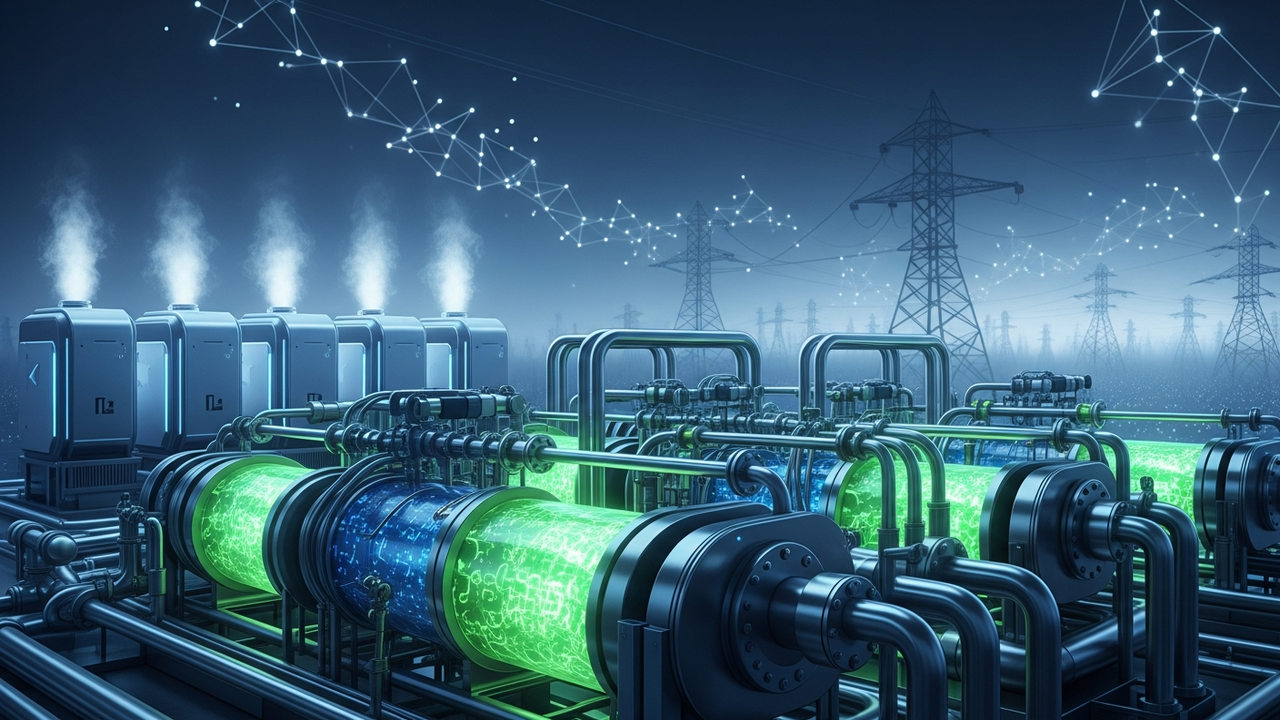
The U.S. Department of Energy (DOE), in response to Executive Order 14017, “America’s Supply Chains,” has published a report detailing key considerations for the supply chain and material development of water electrolyzers and fuel cells (Polymer Electrolyte Membrane and Solid Oxide technologies). This report highlights the imperative to significantly increase U.S. electrolyzer capacity from its current 0.17 gigawatts (GW) to up to 1,000 GW by 2050. Furthermore, to achieve decarbonization scenarios, it projects a need for over 50 GW of domestic fuel cell capacity, demanding an annual manufacturing capability exceeding 3 GW.
Technical Details
The report identifies supply chain vulnerabilities for critical components essential to water electrolyzer (PEM, alkaline, solid oxide) and fuel cell (PEMFC, SOFC) technologies, including rare metals, catalysts, membrane materials, and gas diffusion layers. For instance, supply constraints for iridium and platinum in PEM electrolyzers and PEMFCs, insufficient manufacturing scale, and international competition are analyzed in detail. The DOE emphasizes that strengthening domestic manufacturing capabilities, material recycling, research and development into alternative materials, and promoting standardization are crucial for achieving these targets. The projected need for over 50 GW of domestic fuel cell capacity primarily anticipates widespread use in transportation, stationary power generation, and industrial applications, necessitating an annual manufacturing capacity of over 3 GW.
Background & Context
The Biden administration has centered its national strategy on building a clean energy economy and combating climate change. Hydrogen is recognized as a vital energy carrier for decarbonizing the transportation, industrial, and power sectors, with electrolyzers and fuel cells being core technologies of the hydrogen economy. However, the supply chains for these technologies face challenges such as reliance on specific countries or companies, unstable material procurement, and an immature domestic manufacturing infrastructure. This DOE report provides a concrete roadmap and policy recommendations to build a domestic hydrogen economy and enhance energy security.Strategic Significance & Outlook
The ambitious targets outlined in this report are expected to drive significant investment and innovation in the U.S. hydrogen industry. The goals of 1,000 GW of electrolyzer capacity and over 50 GW of fuel cell capacity will necessitate massive transformations across the entire supply chain. By strengthening R&D, manufacturing, workforce development, and international cooperation, the U.S. aims to establish global leadership in hydrogen technology, contributing to long-term economic growth and environmental objectives. This report signifies a strong governmental commitment to realizing the hydrogen economy.
Get our weekly technology intelligence — free
Receive an infographic that lets you judge at a glance whether each field’s analysis report is worth reading.
Subscribe Free — Weekly Tech Intelligence
By subscribing, you’ll receive Troy-Technical’s weekly technology intelligence newsletter.
- Your email and selected fields are used only to deliver the newsletter.
- We never share your information with third parties.
- You can unsubscribe anytime via the link in each email.
See our Privacy Policy for details.
Takes about a minute · Unsubscribe anytime