Key Findings
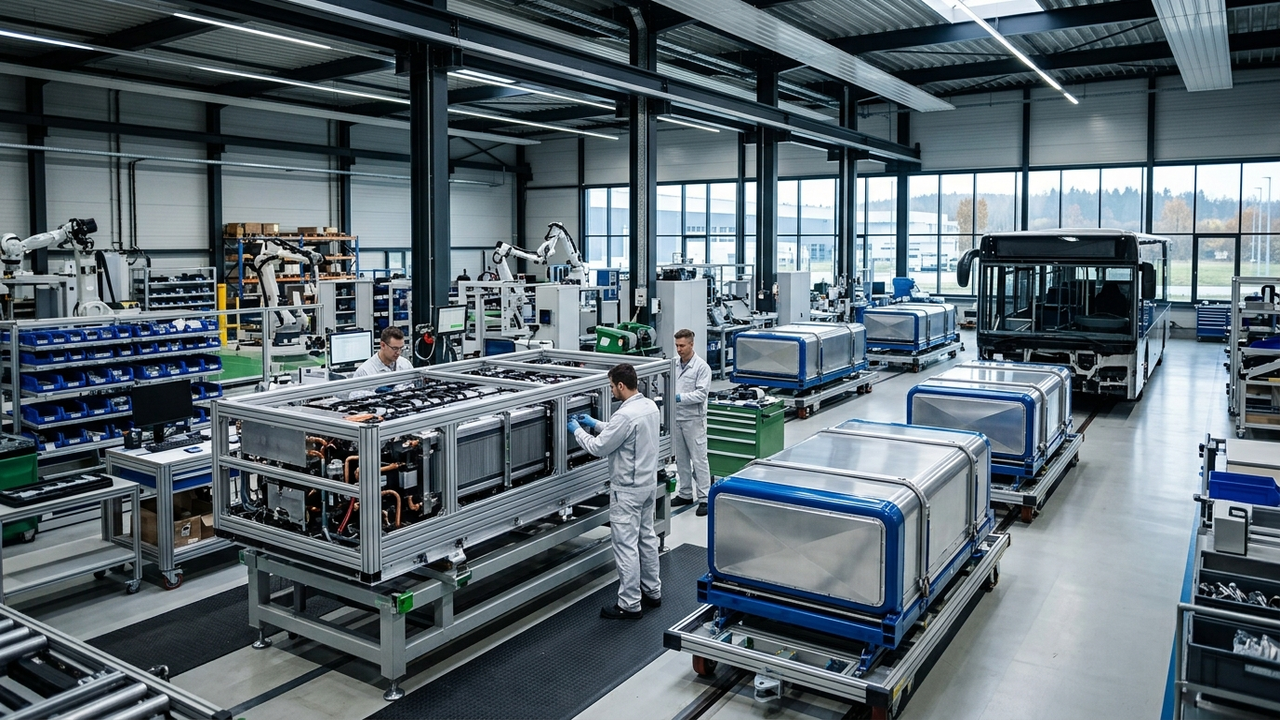
Ballard Power Systems, a global leader in hydrogen fuel cell technology, has secured a contract to supply 40 FCveloCity-HD fuel cell modules for deployment in buses across Germany, as part of the Joint Initiative for Hydrogen Across Europe (JIVE) funding program. This significant order reinforces Ballard’s crucial role in expanding zero-emission public transport solutions throughout Europe.
Technical / Clinical Details
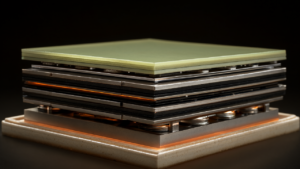
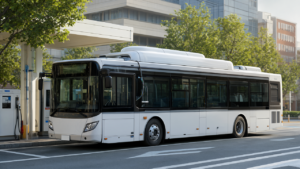
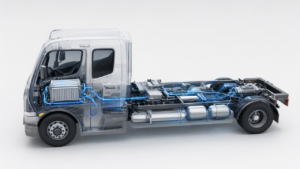
The FCveloCity-HD fuel cell modules are specifically engineered for heavy-duty transit applications, offering high power density, proven reliability, and extended operational lifespans. These modules will be integrated into fuel cell electric buses manufactured by the Belgian company Van Hool. Specifically, 30 buses will be deployed with Regionalverkehr Köln in Cologne, and 10 buses with WSW Mobil in Wuppertal. Fuel cell buses offer zero tailpipe emissions, rapid refueling times comparable to conventional diesel buses, and longer ranges than many battery-electric alternatives, addressing critical operational needs for public transport operators. Ballard anticipates commencing initial shipments of these modules by the end of 2026, marking a significant stride in Germany’s urban decarbonization efforts.
Background & Context
The European Union is actively pushing for the decarbonization of public transportation as a key component of its climate action strategy. The JIVE program is a large-scale initiative designed to accelerate the widespread adoption of fuel cell buses across Europe, assisting member states in meeting their zero-emission vehicle targets. Germany, in particular, has demonstrated a proactive stance in developing hydrogen infrastructure and deploying fuel cell technologies, aiming to mitigate urban air pollution and build sustainable transport systems. Ballard Power Systems, with its extensive experience and proven track record in fuel cell development, is a trusted partner in this evolving sector.
Strategic Significance & Outlook
The supply of these fuel cell modules is vital for building operational experience and demonstrating the efficacy of hydrogen fuel cell buses in major German cities. The successful deployment and performance of these buses are expected to catalyze further investment and adoption of hydrogen mobility solutions across other European urban centers. Beyond enhancing the environmental performance of public transit, the introduction of Ballard’s FCveloCity-HD modules will contribute to the broader development of the hydrogen supply chain, potentially accelerating the uptake of fuel cell technology in wider heavy-duty transportation sectors. This move represents a critical step towards achieving Europe’s ambitious decarbonization goals.
Source: https://www.itsinternational.com/ballard-deploy-40-fuel-cell-modules-power-buses-germany/
Get our weekly technology intelligence — free
Receive an infographic that lets you judge at a glance whether each field’s analysis report is worth reading.
Subscribe Free — Weekly Tech Intelligence
By subscribing, you’ll receive Troy-Technical’s weekly technology intelligence newsletter.
- Your email and selected fields are used only to deliver the newsletter.
- We never share your information with third parties.
- You can unsubscribe anytime via the link in each email.
See our Privacy Policy for details.
Takes about a minute · Unsubscribe anytime