Key Findings
The U.S. Department of Energy (DOE) has announced a substantial federal cost share of up to $1 billion for the Pacific Northwest Hydrogen Hub (PNWH2), an initiative spanning Washington, Oregon, and Montana. PNWH2 is strategically designed to produce clean hydrogen exclusively through electrolysis, capitalizing on the region’s abundant renewable resources. This focused approach is expected to significantly drive down electrolyzer costs and achieve a substantial annual reduction of approximately 1.7 million metric tons of CO2 emissions across key sectors.
Technical / Clinical Details
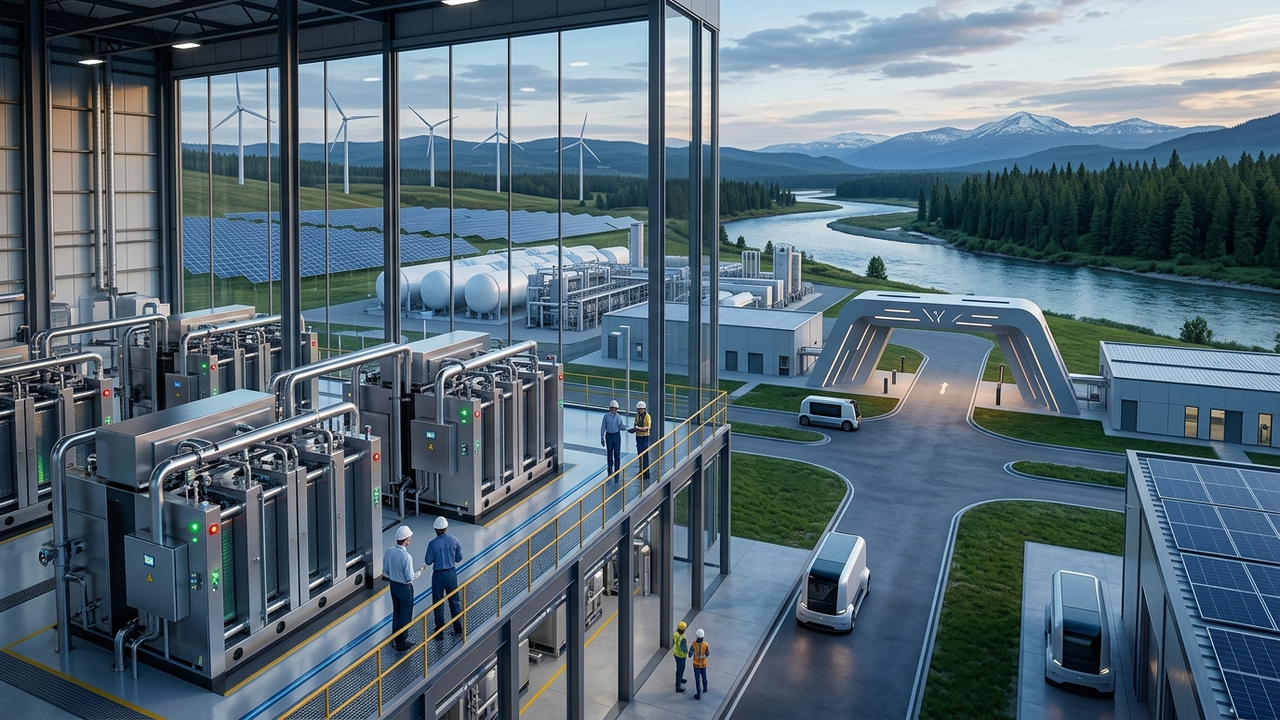
PNWH2 will specialize in water electrolysis as its core technology for clean hydrogen production. Critically, it will utilize electricity sourced entirely from the region’s rich renewable energy portfolio, including hydropower, wind, and solar, ensuring the production of truly green hydrogen. A key objective of the hub’s strategy is to achieve dramatic cost reductions in electrolyzer technology through economies of scale and efficiency improvements, thereby enhancing the price competitiveness of green hydrogen. The clean hydrogen produced will be deployed across diverse applications:
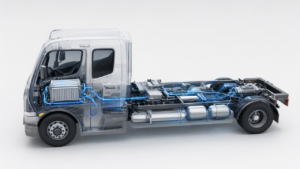
- Heavy-duty Transportation: Replacing diesel fuel in long-haul trucks, rail, and maritime vessels.
- Agriculture: Reducing emissions in ammonia-based fertilizer production processes.
- Industry: Fuel switching in high-heat, high-emission processes such as steel, cement, and chemical manufacturing.
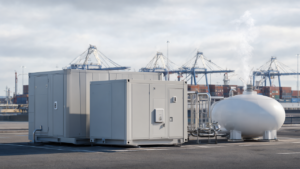
- Seaports: Powering port machinery like forklifts, cranes, and vessels.
These deployments are projected to collectively reduce CO2 emissions by approximately 1.7 million metric tons annually, significantly lowering the region’s environmental footprint.
Background & Context
The Pacific Northwest boasts exceptional renewable energy potential, particularly stable hydropower resources. The selection of PNWH2 as part of the DOE’s H2Hubs program underscores the U.S. strategy to build a clean hydrogen economy by leveraging unique regional strengths. With a robust industrial sector and critical port infrastructure, hydrogen is an indispensable element for decarbonizing these significant sectors. The federal funding serves as a vital catalyst to attract private investment and accelerate technological development.
Strategic Significance & Outlook
The establishment of the PNWH2 will position the Pacific Northwest as a frontrunner in U.S. clean hydrogen production and utilization. Should the electrolyzer cost reduction targets be met, green hydrogen will become more widely and affordably available, accelerating the decarbonization of heavy industry and transportation. The hub is also expected to create thousands of new jobs and foster sustainable economic growth in the region. Ultimately, PNWH2 is anticipated to contribute significantly to the broader U.S. clean energy goals and serve as an international model for decarbonization.
Source: https://www.energy.gov/cmei/oced/pacific-northwest-hydrogen-hub-pnwh2
Get our weekly technology intelligence — free
Receive an infographic that lets you judge at a glance whether each field’s analysis report is worth reading.
Subscribe Free — Weekly Tech Intelligence
By subscribing, you’ll receive Troy-Technical’s weekly technology intelligence newsletter.
- Your email and selected fields are used only to deliver the newsletter.
- We never share your information with third parties.
- You can unsubscribe anytime via the link in each email.
See our Privacy Policy for details.
Takes about a minute · Unsubscribe anytime