Key Findings
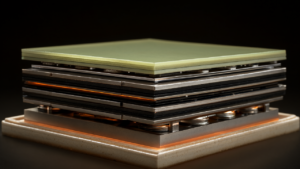
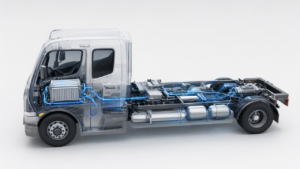
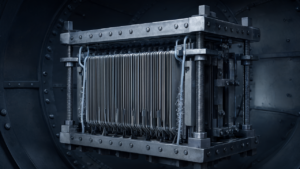
Intelligent Energy, in collaboration with the University of Nottingham, has successfully deployed its IE-GRID microgrid solution. This advanced hydrogen fuel cell microgrid is designed to provide reliable on-site power generation, significantly reduce dependence on conventional diesel generators, and alleviate pressure on the National Grid, thereby enhancing overall grid resilience and stability.
Technical / Clinical Details
The IE-GRID microgrid solution centers around hydrogen fuel cell technology as a core component of its distributed energy system. This system utilizes electricity generated from renewable sources, such as solar power, to electrolyze water and produce hydrogen, which is then stored. When electricity demand peaks, or if the external grid experiences instability, the stored hydrogen is converted back into electricity via fuel cells, ensuring a continuous and stable power supply. In the University of Nottingham deployment, the microgrid will power specific buildings and research facilities on campus, managing peak electrical loads and ensuring the continuity of critical operations even during grid outages. This contributes to reduced energy costs, lower CO2 emissions, and enhanced operational reliability for the university’s research activities.
Background & Context
The stability and reliability of electricity grids are fundamental to modern economies and daily life. However, increasing risks from climate change-induced extreme weather events and cybersecurity threats highlight the vulnerabilities of centralized power systems to widespread outages. The growing integration of intermittent renewable energy sources also introduces new challenges related to grid stability. Microgrids, capable of autonomously supplying and managing power within a defined area or facility, are emerging as an effective solution to these challenges. The incorporation of hydrogen fuel cells is particularly advantageous, enabling long-duration energy storage and clean power generation, making them a sustainable alternative to fossil fuel-dependent backup generators.
Strategic Significance & Outlook
The successful deployment of the IE-GRID microgrid at the University of Nottingham is expected to accelerate the adoption of hydrogen fuel cell microgrids across various sectors requiring high power reliability, including educational institutions, data centers, hospitals, and industrial facilities. This technology will not only foster the proliferation of distributed energy systems and enhance regional energy independence but also play a vital role in decentralizing the load on national grids and improving overall stability. As a pioneer in this field, Intelligent Energy is poised to continue delivering innovative solutions, contributing to the establishment of sustainable and resilient energy infrastructures globally.
Source: https://www.intelligent-energy.com/news/hydrogen-fuel-cells-strengthen-microgrids/
Get our weekly technology intelligence — free
Receive an infographic that lets you judge at a glance whether each field’s analysis report is worth reading.
Subscribe Free — Weekly Tech Intelligence
By subscribing, you’ll receive Troy-Technical’s weekly technology intelligence newsletter.
- Your email and selected fields are used only to deliver the newsletter.
- We never share your information with third parties.
- You can unsubscribe anytime via the link in each email.
See our Privacy Policy for details.
Takes about a minute · Unsubscribe anytime