Key Findings
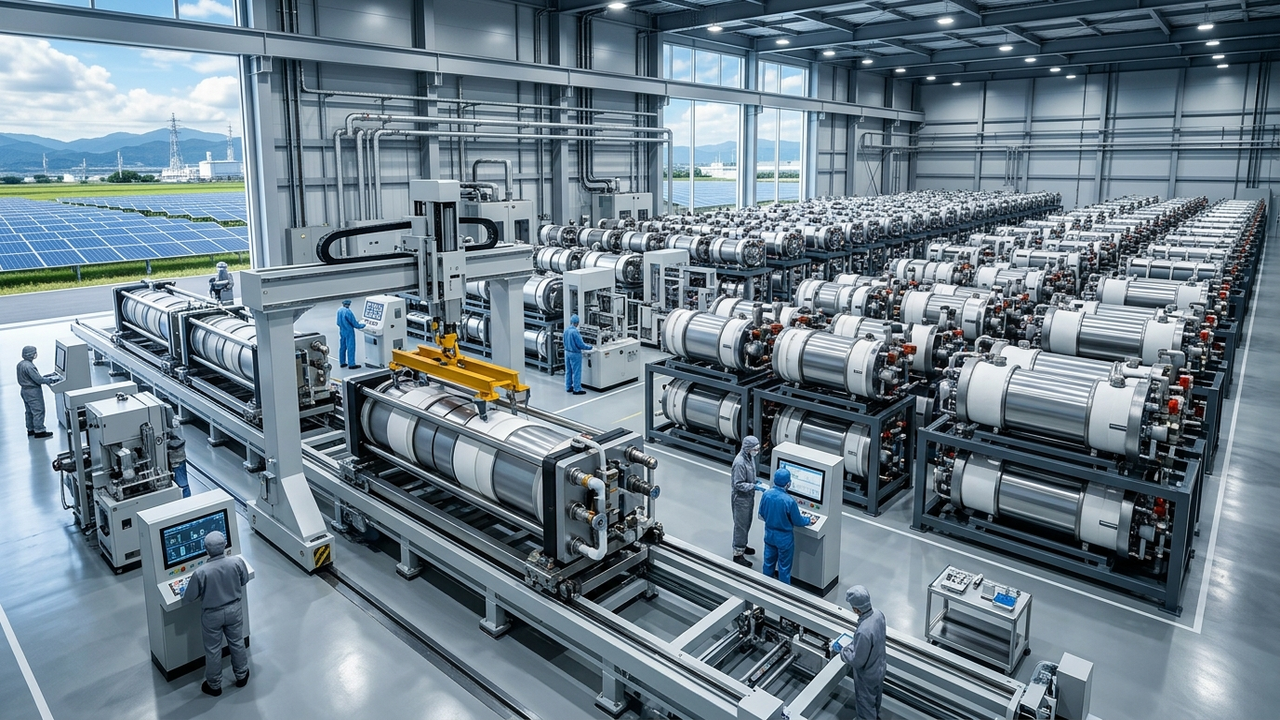
Despite Asahi Kasei’s ambitious target of achieving 2 GW of annual electrolyzer component manufacturing capacity by 2028, an industry analysis suggests this production capability may significantly outpace Japan’s current and projected domestic demand for green hydrogen. This potential disparity points to a misalignment between manufacturing expansion plans and the actual absorption capacity of the local market.
Technical / Clinical Details
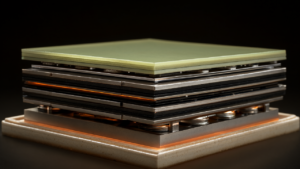
Asahi Kasei’s electrolyzer components are primarily designed for alkaline water electrolysis, intended for deployment in large-scale hydrogen production projects. However, the actual progress of green hydrogen projects within Japan is influenced by various factors, including infrastructure development, cost competitiveness, and the pace of renewable energy expansion. While Japan’s ‘Basic Hydrogen Strategy’ sets a national target of 15 GW for electrolyzer capacity by Japanese companies (domestically and internationally) by 2030, this figure includes electrolyzers for blue hydrogen (with carbon capture and storage), which has a different demand structure than pure green hydrogen. Asahi Kasei’s goal represents its individual production capacity and needs to be evaluated within the context of the broader Japanese supply chain and global market opportunities.
Background & Context
As global enthusiasm for green hydrogen grows, many companies are making aggressive investments to expand electrolyzer manufacturing capacity. However, the balance between supply and demand is highly dynamic, influenced by technological advancements, government policies, and cost competitiveness. Japan faces structural constraints in domestic green hydrogen production due to limited renewable energy resources, thus considering overseas green hydrogen imports and blue hydrogen utilization. While Asahi Kasei’s plan demonstrates Japan’s strong manufacturing base, it also highlights the critical importance of accurately assessing domestic market size and formulating strategies to capture global demand.
Strategic Significance & Outlook
The potential for Asahi Kasei’s electrolyzer manufacturing capacity to exceed Japan’s domestic market demand suggests the company will need to accelerate its focus on export markets. While the global green hydrogen market is expected to grow, it faces intense international competition. To succeed, Asahi Kasei will likely need a strategy to leverage its technological advantages and manufacturing quality for expansion into regions with large-scale green hydrogen projects, such as Europe and the Middle East. Domestically, more concrete demand creation measures and accelerated hydrogen infrastructure development will be key to boosting electrolyzer adoption. This analysis serves as a caution to companies that excessive capacity expansion without corresponding market absorption can lead to future market adjustment risks.
Get our weekly technology intelligence — free
Receive an infographic that lets you judge at a glance whether each field’s analysis report is worth reading.
Subscribe Free — Weekly Tech Intelligence
By subscribing, you’ll receive Troy-Technical’s weekly technology intelligence newsletter.
- Your email and selected fields are used only to deliver the newsletter.
- We never share your information with third parties.
- You can unsubscribe anytime via the link in each email.
See our Privacy Policy for details.
Takes about a minute · Unsubscribe anytime