Key Findings
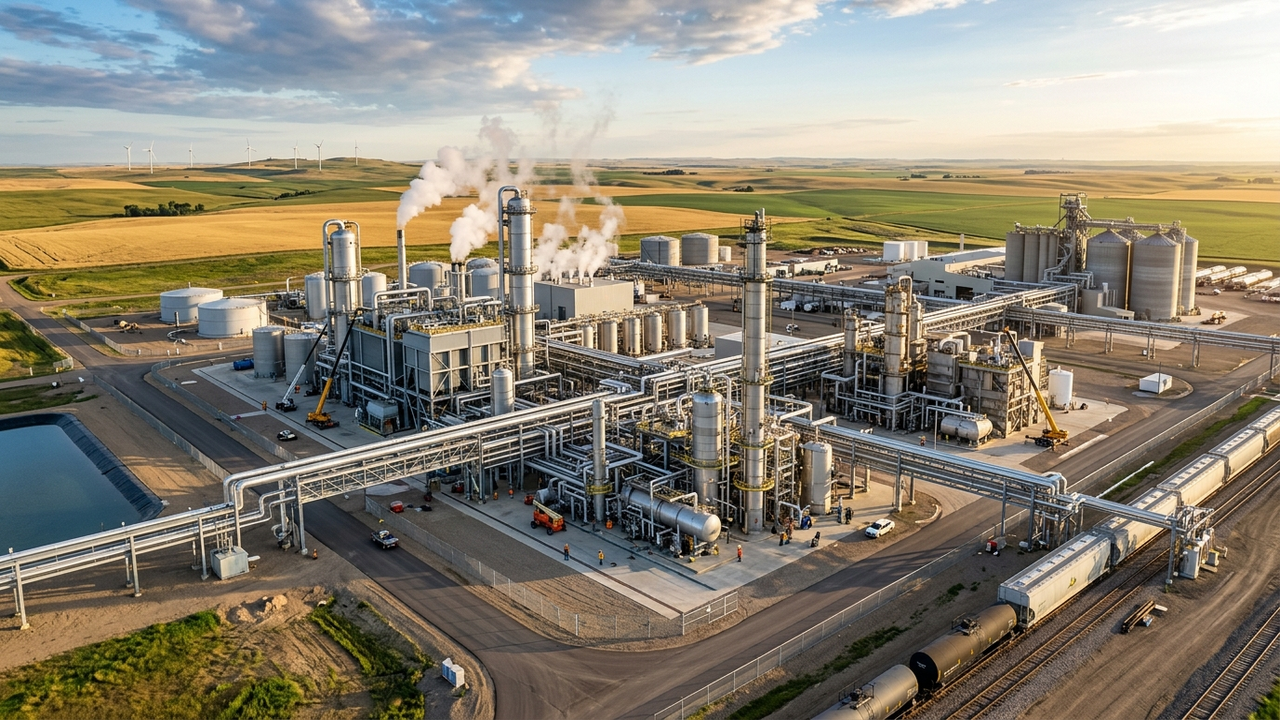
The U.S. Department of Energy (DOE) has approved up to $925 million in federal cost share for the Heartland Hydrogen Hub (HH2H), a crucial initiative centered in North Dakota and extending into parts of the Upper Midwest and Colorado. HH2H aims to produce commercial-scale clean hydrogen primarily for the manufacturing of American-made, low-carbon nitrogen fertilizer, representing a transformative effort to enhance sustainability and economic viability within the agricultural sector.
Technical / Clinical Details
The HH2H will employ various methods to produce clean hydrogen. This may include green hydrogen production via water electrolysis, leveraging the region’s abundant renewable energy resources (e.g., wind power), and blue hydrogen production from natural gas combined with carbon capture and storage (CCS) technologies. The produced clean hydrogen will be fed into the ammonia production process, which is critical for fertilizer manufacturing. Traditional fertilizer production is highly energy-intensive and a significant source of CO2 emissions; by utilizing clean hydrogen, the hub aims to drastically reduce emissions from this process. The HH2H targets an annual reduction of 525 thousand metric tons of CO2 emissions, a substantial contribution to decarbonizing the agricultural sector.
Background & Context
The agricultural sector, while essential for global food supply, contributes significantly to greenhouse gas emissions through fertilizer production and machinery fuel consumption. Nitrogen fertilizer manufacturing, in particular, involves ammonia synthesis using hydrogen as a feedstock, leading to substantial CO2 emissions. The selection of HH2H as part of the U.S. H2Hubs program is designed to achieve the dual objectives of decarbonizing agriculture and strengthening food security. Strategically located in a region rich in natural gas and renewable energy resources, the hub has the potential for cost-effective clean hydrogen production.
Strategic Significance & Outlook
The establishment of the HH2H has the potential to dramatically enhance the sustainability of the U.S. agricultural sector. Low-carbon nitrogen fertilizer produced using clean hydrogen will not only reduce the environmental footprint for farmers but also contribute to stabilizing regional fertilizer supply and lowering costs. This hub is expected to serve as a model for similar decarbonization initiatives in other agricultural regions, eventually improving the environmental performance of the global food system. The DOE’s investment is a vital step towards accelerating the commercialization of clean hydrogen technologies and realizing sustainable food production and energy transition.
Source: https://www.energy.gov/cmei/oced/heartland-hydrogen-hub
Get our weekly technology intelligence — free
Receive an infographic that lets you judge at a glance whether each field’s analysis report is worth reading.
Subscribe Free — Weekly Tech Intelligence
By subscribing, you’ll receive Troy-Technical’s weekly technology intelligence newsletter.
- Your email and selected fields are used only to deliver the newsletter.
- We never share your information with third parties.
- You can unsubscribe anytime via the link in each email.
See our Privacy Policy for details.
Takes about a minute · Unsubscribe anytime