Key Findings
According to S&P Global data, China has asserted its leadership in the global renewable hydrogen sector, commanding approximately 53% of the world’s operational capacity as of the end of last year. In 2025, China’s overall hydrogen production capacity surpassed 51 million metric tons per year, with actual output experiencing a 7.3% year-on-year increase to over 39 million metric tons. This robust growth, further highlighted by S&P Global’s report of a doubling in China’s renewable hydrogen production capacity, firmly positions the country as a global frontrunner in clean hydrogen development, signaling its massive investment in this critical energy transition technology.
Technical Details and Production Expansion
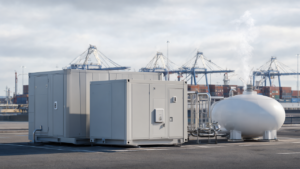
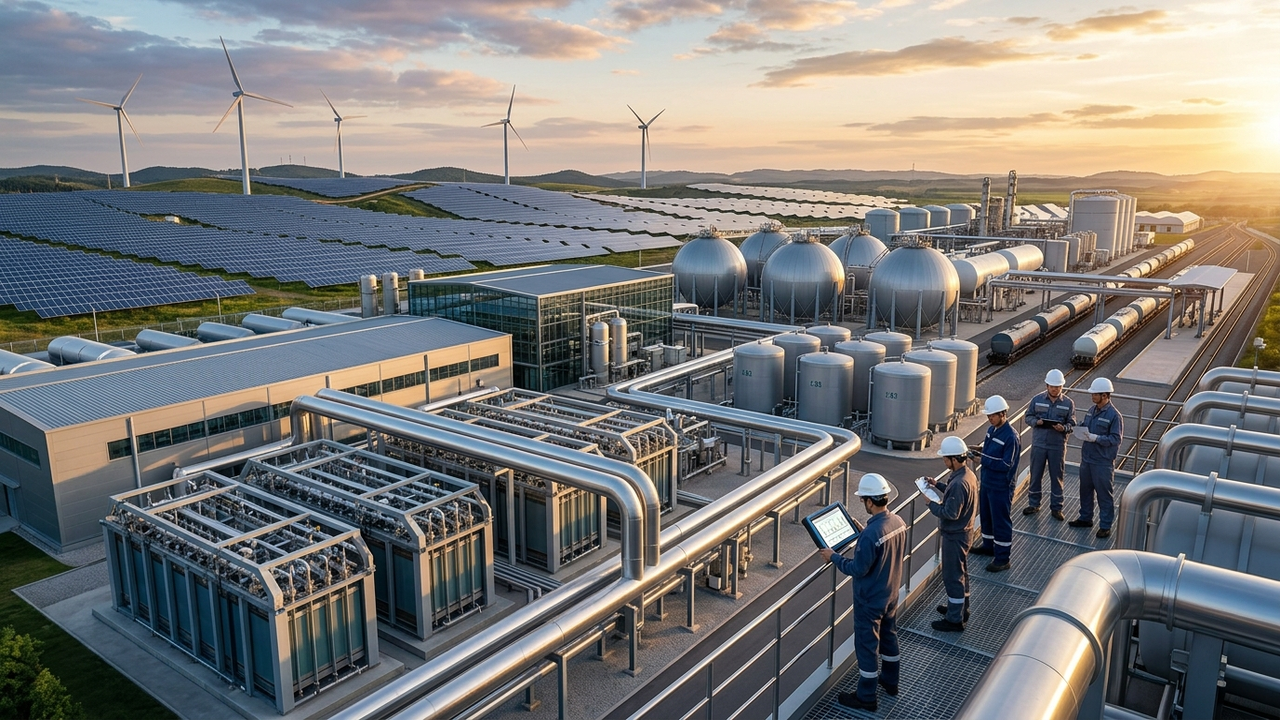
China’s surge in renewable hydrogen capacity is primarily driven by large-scale electrolysis projects integrated with extensive solar and wind power installations. While alkaline water electrolysis technology remains prevalent, there’s a growing focus on and deployment of PEM (Proton Exchange Membrane) electrolyzer technologies to enhance efficiency and flexibility. These electrolyzers are strategically located in regions rich in renewable energy resources, supplying clean hydrogen to demanding sectors such as manufacturing, chemical production, and transportation. Advanced control systems and digital technologies are being employed to optimize hydrogen production, ensuring efficient response to the intermittency of renewable energy sources.
Background and Industry Context
The Chinese government has prioritized green hydrogen production and utilization as a core component of its national strategy to achieve carbon neutrality by 2060 and bolster energy security. This aggressive push contrasts with the delays and funding challenges observed in some Western nations, particularly in Europe, where many green hydrogen projects have struggled to reach Final Investment Decision (FID). Europe’s concerns about electrolyzer overcapacity due to stalled projects underscore the divergence in development pace. China’s consistent and large-scale investment not only transforms its domestic industrial landscape but also significantly alters the global dynamics of the hydrogen market, potentially influencing international pricing and technology standards.
Strategic Significance and Outlook
China’s dominant position in renewable hydrogen production capacity is set to have profound implications for the global hydrogen supply chain. Future increases in green hydrogen and derivative products, such as green ammonia, from China could expand international markets and impact price discovery. This powerful impetus from China can also act as a catalyst for accelerating the standardization and cost reduction of green hydrogen technologies worldwide. Concurrently, the broader Asia-Pacific region is intensifying its energy transition efforts, with Malaysia launching a renewed 10-year energy efficiency plan targeting an 11.6% reduction in energy demand by 2035, underscoring hydrogen’s anticipated central role in the region’s sustainable energy future.
Source: https://www.spglobal.com/energy/en/commodity/energy-transition/hydrogen
Get our weekly technology intelligence — free
Receive an infographic that lets you judge at a glance whether each field’s analysis report is worth reading.
Subscribe Free — Weekly Tech Intelligence
By subscribing, you’ll receive Troy-Technical’s weekly technology intelligence newsletter.
- Your email and selected fields are used only to deliver the newsletter.
- We never share your information with third parties.
- You can unsubscribe anytime via the link in each email.
See our Privacy Policy for details.
Takes about a minute · Unsubscribe anytime