
Key Findings
A pioneering study, newly released on bioRxiv, focuses on the development of mechano-piezoelectric F-peptide hydrogels for cartilage regeneration. This novel material demonstrates a unique capability to enable in situ modulation of both stem cell behavior and the local immune niche, holding the potential to revolutionize tissue engineering and regenerative medicine.
Technical / Clinical Details
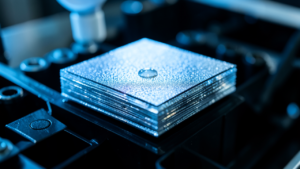
The researchers engineered specialized hydrogels constructed from F-peptides that exhibit ‘mechano-piezoelectric’ properties. This means the hydrogel can convert external mechanical stimuli (e.g., physiological movements) into localized electrical signals. The subtle electric fields generated by this piezoelectric effect are shown to influence the differentiation pathways of embedded stem cells, promoting their lineage commitment towards chondrocytes (cartilage cells). Furthermore, the material effectively tunes the local immune microenvironment (immune niche), suppressing inflammatory responses and creating conditions conducive to tissue repair. The ability to simultaneously control both stem cell and immune cell behavior in situ represents a groundbreaking advancement in complex tissue regeneration.
Background & Context
Cartilage damage, often resulting from trauma or aging, presents a significant clinical challenge due to cartilage’s limited self-repair capacity, leading to substantial reductions in patient quality of life. Existing treatments often have limitations, with complete functional restoration remaining elusive. In regenerative medicine, stem cell therapies are under investigation, but critical hurdles include achieving proper in vivo stem cell guidance and controlling immune rejection and inflammation. This research’s mechano-piezoelectric hydrogel distinguishes itself from previous passive material approaches by actively creating an optimal cellular environment through endogenous mechanical cues.
Strategic Significance & Outlook
This mechano-piezoelectric F-peptide hydrogel holds immense promise as a new therapeutic option for cartilage regeneration. Its applications could potentially expand to the regeneration of other tissues, such as bone, muscle, and nerves, leveraging the same principle. Crucially, the hydrogel’s ability to maintain long-term stability in vivo while actively guiding cells in response to biological stimuli opens avenues for personalized medicine and the development of more complex tissue-engineered constructs. While extensive in vivo evaluations and safety studies are still required for clinical translation, its successful implementation could profoundly transform the future of regenerative medicine.
Source: #
Get our weekly technology intelligence — free
Receive an infographic that lets you judge at a glance whether each field’s analysis report is worth reading.
Subscribe Free — Weekly Tech Intelligence
By subscribing, you’ll receive Troy-Technical’s weekly technology intelligence newsletter.
- Your email and selected fields are used only to deliver the newsletter.
- We never share your information with third parties.
- You can unsubscribe anytime via the link in each email.
See our Privacy Policy for details.
Takes about a minute · Unsubscribe anytime




Comments