Background
In recent years, wearable technology has rapidly expanded its application scope, ranging from consumer fitness trackers to medical-grade diagnostic devices. However, the sector’s growth has often been hampered by a shortage of highly specialized, interdisciplinary talent. Developing advanced wearable sensor systems necessitates a deep understanding of materials science, electrical engineering, data science, and human physiology. The We-TRAC program is a strategic initiative designed to bridge this talent gap and cultivate the next generation of innovators and researchers. Its objective is to support the growth of both the Canadian and international wearable technology industries, fostering the creation of new products and services across healthcare, sports, and lifestyle sectors.
Key Findings
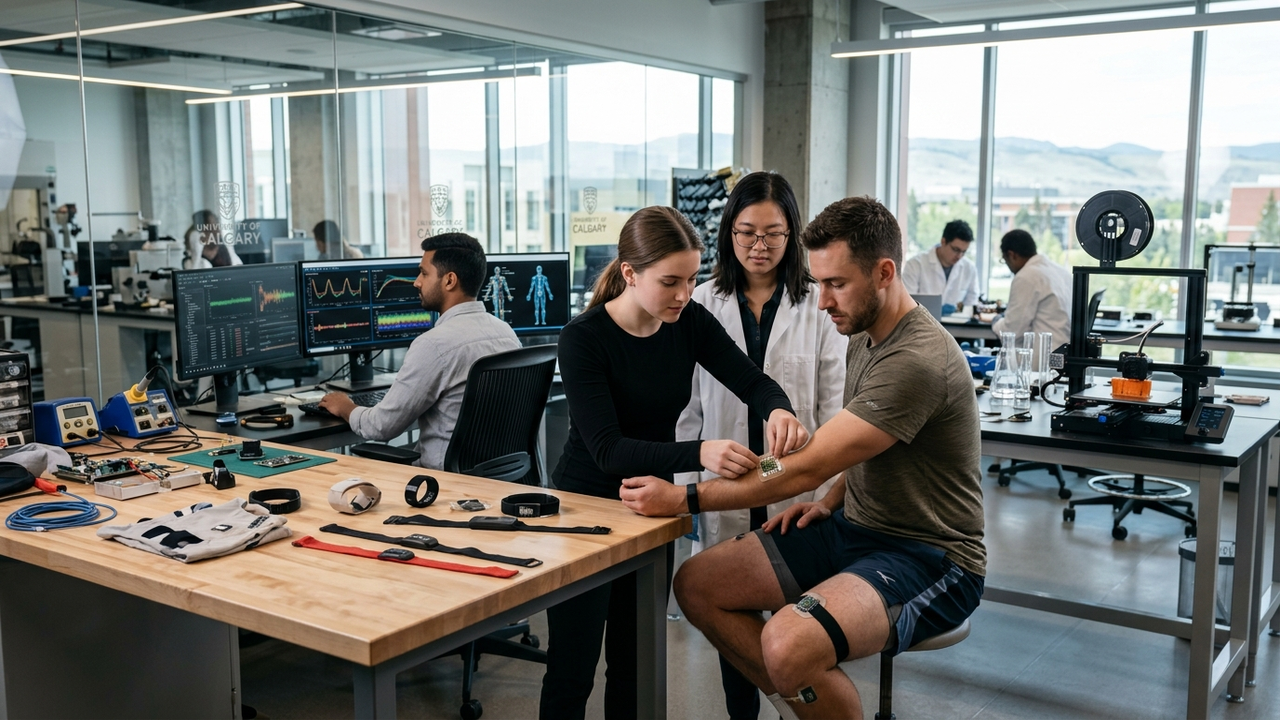
On September 10, 2026, the Kinesiology Faculty at the University of Calgary officially launched the groundbreaking ‘We-TRAC’ (Wearable Technology Research and Collaboration) Training Program. This graduate initiative is specifically designed to cultivate specialized talent for advanced wearable sensor system development, addressing the rapid advancements and complex nature of wearable technology. The program focuses on providing students with essential interdisciplinary knowledge and skills, aiming to deliver practical, entry-level experience in crucial application areas such as optimizing sports performance, predicting and preventing injuries, and broader personal health monitoring.
Technical and Clinical Focus
The We-TRAC program features a comprehensive curriculum spanning diverse disciplines, including engineering, computer science, biomechanics, physiology, clinical medicine, and data science. Students gain expertise across the entire development lifecycle of wearable sensor systems, from sensor design and manufacturing (e.g., flexible electronics, microfluidic-based biosensors) to data acquisition and processing (e.g., wireless communication, edge computing). It also covers AI/machine learning for data analysis (e.g., pattern recognition, predictive model building) and user interface design. The program’s emphasis extends beyond isolated technological domains, focusing instead on interdisciplinary approaches to transform complex physiological data collected from sensors into clinically meaningful information. This approach is critical for applications such as enhancing athletic performance through movement analysis, predicting injury risk by detecting anomalous movement patterns, and monitoring stress levels via heart rate variability and sleep patterns.
Strategic Significance and Future Outlook
Graduates of the We-TRAC program are expected to be immediate assets across diverse career paths within wearable technology, including roles in research and development, product design, clinical application, and policy formulation. Beyond technical expertise, the program also emphasizes ethical considerations, data privacy, and user-centered design principles. Moving forward, We-TRAC aims to further strengthen industry-academia collaboration, accelerating the practical application of research outcomes through joint projects with startups and established technology companies. This initiative is projected to make significant contributions to public health improvement by offering new solutions for disease prevention, early diagnosis, personalized treatment, and continuous health maintenance through advanced wearable sensor technology.
Get our weekly technology intelligence — free
Receive an infographic that lets you judge at a glance whether each field’s analysis report is worth reading.
Subscribe Free — Weekly Tech Intelligence
By subscribing, you’ll receive Troy-Technical’s weekly technology intelligence newsletter.
- Your email and selected fields are used only to deliver the newsletter.
- We never share your information with third parties.
- You can unsubscribe anytime via the link in each email.
See our Privacy Policy for details.
Takes about a minute · Unsubscribe anytime









Comments