Key Findings
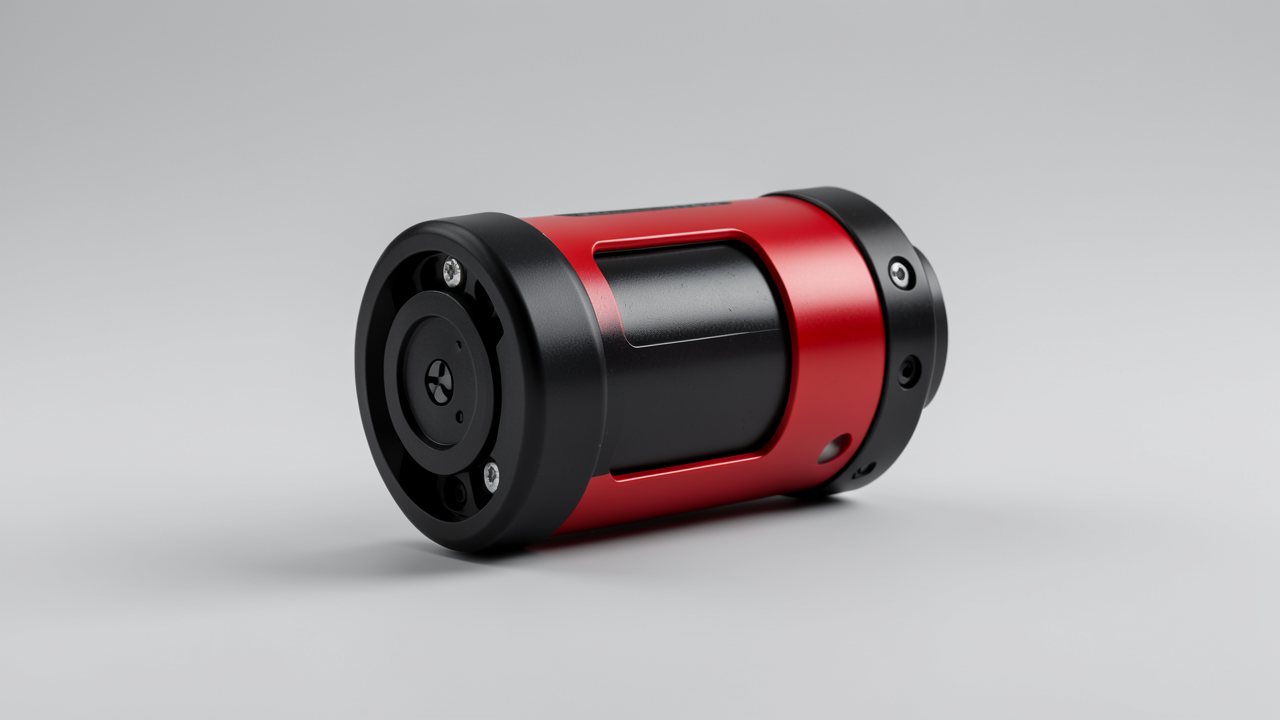
Tesla has commenced full-scale production of its “Generation 3” 4680 battery cells for the Cybertruck at its Austin factory, integrating a revolutionary dry electrode process for both anode and cathode since January 2026. This manufacturing innovation, stemming from Tesla’s acquisition of Maxwell Technologies, has enabled the new 4680 cell to achieve an impressive energy density of 300 Wh/kg, contributing to a 15% increase in vehicle range without altering the physical dimensions of the battery pack.
Technical & Manufacturing Details
- Dry Electrode Process: This advanced manufacturing method, a key technology acquired from Maxwell Technologies, eliminates the use of solvents traditionally required in wet coating processes. This significantly reduces the environmental footprint, energy consumption, and factory space needed for battery production, offering a more sustainable and efficient manufacturing pathway.
- “Generation 3” 4680 Cell Performance: The 300 Wh/kg energy density marks a substantial improvement, directly translating to enhanced range for the Cybertruck. The ability to achieve this gain without altering the cell’s form factor is critical for design flexibility and efficient vehicle integration. The 15% range increase offers a tangible benefit to consumers.
- Gulf Coast Lithium Refinery Integration: Tesla’s vertically integrated supply chain is further strengthened by its Gulf Coast Lithium Refinery. This facility, which began operations in January 2026 and reached full capacity by July 2026, is now supplying high-purity lithium for these 4680 cells. This in-house refining capability reduces reliance on external suppliers, mitigates supply chain risks, and potentially lowers raw material costs.
Background & Industry Context
Tesla has consistently pushed the boundaries of battery technology and manufacturing efficiency to maintain its leadership in the electric vehicle market. The 4680 cell, first unveiled at Tesla’s “Battery Day” in 2020, was conceived as a larger, more efficient, and cost-effective cell format. The acquisition of Maxwell Technologies in 2019 was instrumental in bringing the dry electrode process to fruition, a technology long seen as a holy grail in battery manufacturing. Vertical integration, including raw material refining, is a strategic move to secure critical supplies and control production costs.
Strategic Significance & Outlook
The successful deployment of “Generation 3” 4680 cells with in-house refined lithium for the Cybertruck represents a significant competitive advantage for Tesla. This not only enhances the performance and appeal of its vehicles but also demonstrates the company’s capability to innovate across the entire battery value chain—from raw materials to cell production and vehicle integration. The dry electrode process, if scalable across Tesla’s future battery production, could set new industry standards for sustainable and cost-efficient battery manufacturing, ultimately accelerating the broader transition to electric transportation globally by improving range, performance, and affordability.
Get our weekly technology intelligence — free
Receive an infographic that lets you judge at a glance whether each field’s analysis report is worth reading.
Subscribe Free — Weekly Tech Intelligence
By subscribing, you’ll receive Troy-Technical’s weekly technology intelligence newsletter.
- Your email and selected fields are used only to deliver the newsletter.
- We never share your information with third parties.
- You can unsubscribe anytime via the link in each email.
See our Privacy Policy for details.
Takes about a minute · Unsubscribe anytime






Comments