Key Findings
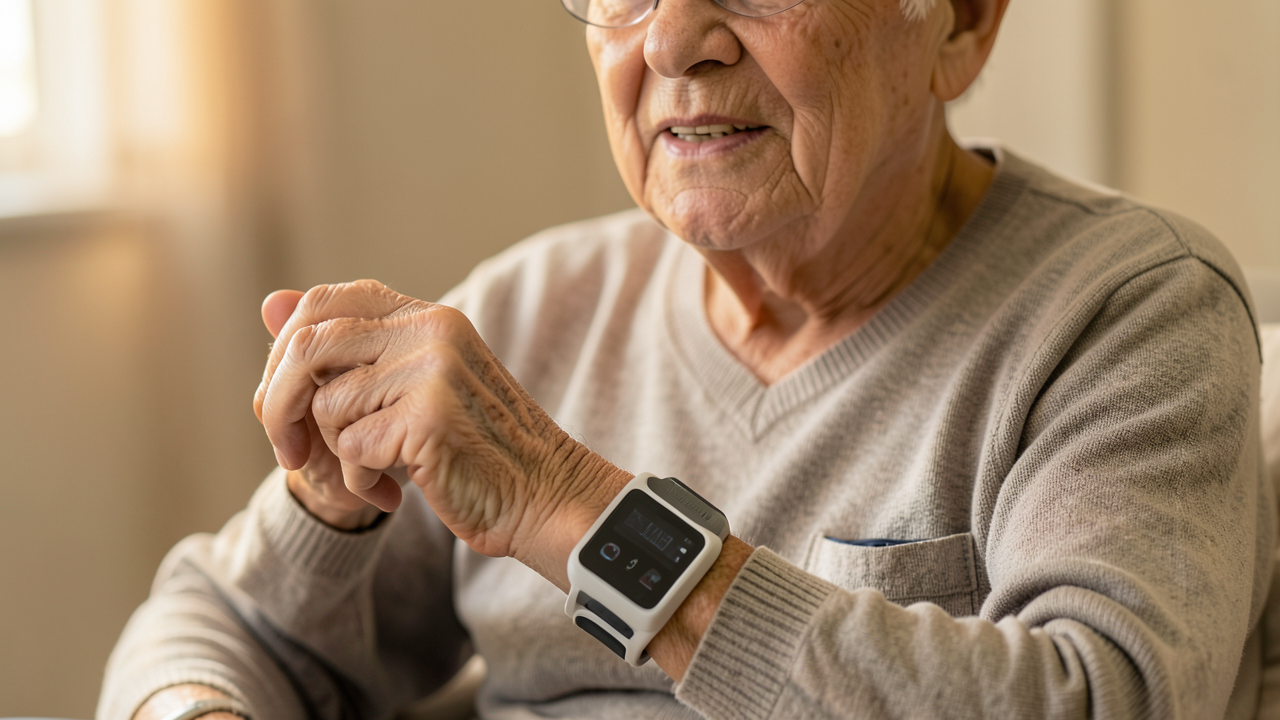
In South Korean society, the concept of care robots equipped with emotional recognition capabilities is gaining significant attention, specifically designed to address diversifying family structures and the accelerating aging population. These robots are expected to perform “emotional labor” by monitoring user conditions, initiating conversations, and recognizing emotions, providing psychological support in addition to physical tasks like medication management.
Technical Details
These advanced care robots leverage AI-based voice recognition technology and Natural Language Processing (NLP) to facilitate smooth interactions with users. Furthermore, through facial recognition and bio-sensors, they analyze data such as facial expressions, vocal tones, and physical activity levels to infer emotional and health states. For instance, if a user appears lonely or exhibits unusual behavior patterns, the robot can detect this, provide appropriate responses, or send alerts to caregivers and family members. Specific functionalities include medication reminders, mealtime prompts, guidance for simple exercises, attentive listening to life stories, and delivery of weather forecasts or news.
While these robots do not directly provide physical assistance (e.g., dressing, bathing), they are expected to maintain users’ mental health and reduce feelings of loneliness by offering companionship, verbal encouragement, and monitoring. For solitary elderly individuals, in particular, they can become crucial daily companions, contributing significantly to enhanced safety and well-being.
Background and Industry Context
South Korea is experiencing one of the world’s most rapid rates of population aging, coupled with a societal shift from traditional extended families to nuclear and single-person households. This has led to a shortage of caregivers and increased social burden. Against this backdrop, care robots are positioned as strategic tools to supplement human resources, support the independence of the elderly, and improve their quality of life. Robots with emotional recognition capabilities go beyond mere mechanical assistance, striving to deliver more holistic care through human-like communication and emotional connection.
Strategic Significance and Outlook
Emotional recognition care robots are expected to integrate even more advanced AI technologies and sensors in the future, enabling more complex situational judgments and personalized support. Potentially, they could integrate with medical institutions to automatically share user health data, contributing to early detection and prevention of illnesses. It is crucial to address ethical considerations and privacy protection frameworks while expanding social acceptance. The widespread adoption of these robots is anticipated to dramatically enhance the quality of life for the elderly and disabled, becoming an indispensable component for realizing a sustainable care society.
Source: https://www.chosun.com/english/travel-food-en/2026/09/18/OXIXUVVK4FHZZJS67LXI6Z3RR4/
Get our weekly technology intelligence — free
Receive an infographic that lets you judge at a glance whether each field’s analysis report is worth reading.
Subscribe Free — Weekly Tech Intelligence
By subscribing, you’ll receive Troy-Technical’s weekly technology intelligence newsletter.
- Your email and selected fields are used only to deliver the newsletter.
- We never share your information with third parties.
- You can unsubscribe anytime via the link in each email.
See our Privacy Policy for details.
Takes about a minute · Unsubscribe anytime








Comments