Background: Challenges in Natural Rubber Supply Chains and the Quest for Alternative Resources
Natural rubber is an indispensable material for a wide range of products, including tires, medical supplies, and apparel, with global demand on the rise. However, the majority of current natural rubber supply depends on the Para rubber tree (Hevea brasiliensis), cultivated primarily in specific regions (mainly Southeast Asia). This dependency renders the supply chain vulnerable to diseases, climate change, land-use changes, and socioeconomic factors. Furthermore, deforestation for rubber cultivation contributes to biodiversity loss. To address these issues and ensure a more sustainable and stable supply of natural rubber, the exploration of rubber production technologies from alternative plants is advancing worldwide.
Key Findings: QuberTech’s Dandelion-Derived Biotechnology
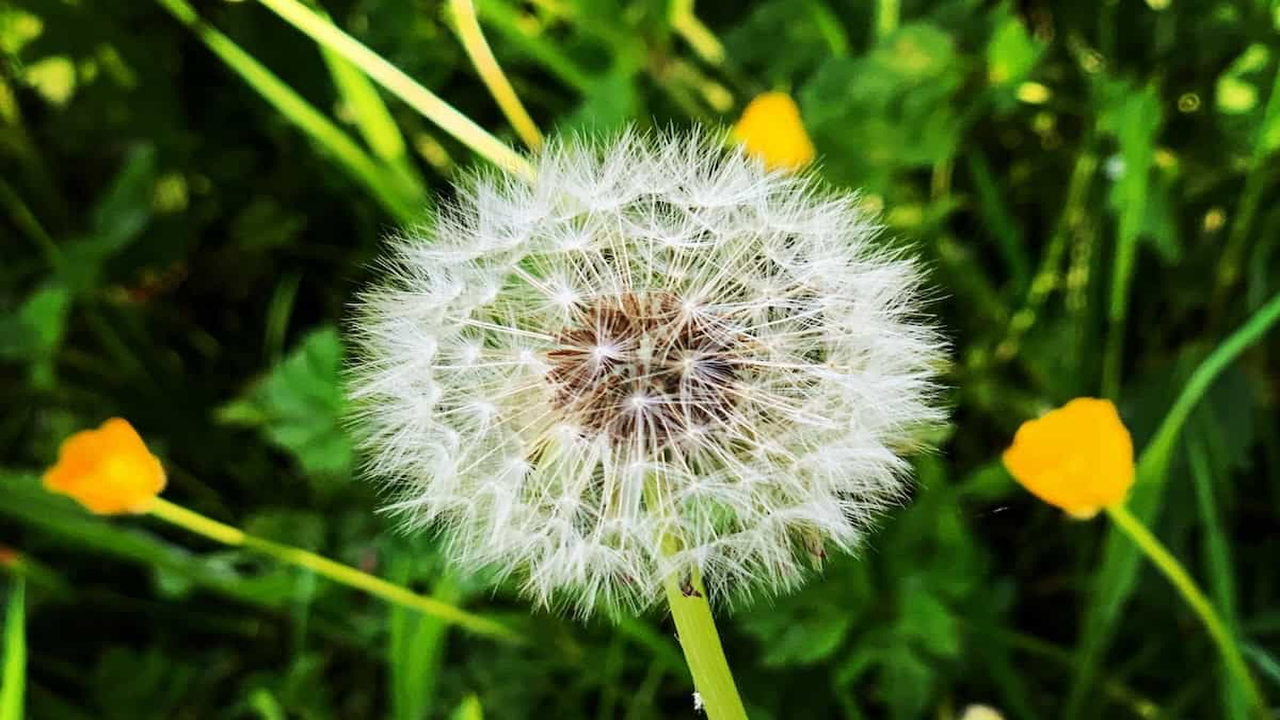
Biotech startup QuberTech has developed advanced biotechnology as a promising solution to this challenge, cultivating high-yield dandelions to produce natural rubber and other high-value bio-based materials. The key features of this innovative platform include:
- Cultivation of High-Yield Dandelions: QuberTech is developing high-yield dandelion varieties suitable for natural rubber production through specific genetic modification and cultivation techniques. Dandelions can be cultivated with a relatively short growth period and adapt to diverse climatic conditions, offering greater flexibility in cultivation regions compared to traditional rubber trees.
- Efficient Natural Rubber Extraction: The company has established a process for efficiently extracting high-quality natural rubber from the latex contained in dandelion roots. This contributes to higher resource efficiency and reduced manufacturing costs compared to extraction from traditional rubber trees.
- Production of Versatile Bio-Based Materials: Beyond natural rubber, this platform also generates other high-value compounds from dandelions applicable to multiple industries, such as food, cosmetics, sustainable packaging, and advanced biomaterials. Examples include polysaccharides like inulin, antioxidants, and specialty chemicals. This enables diversified utilization of dandelion resources, increasing economic added value.
- Reduced Environmental Impact: Dandelion cultivation has higher land-use efficiency and potentially less impact on biodiversity compared to Para rubber tree plantations. Regional dispersion of cultivation can also mitigate supply chain risks due to diseases or climate change in specific areas.
QuberTech’s technology significantly expands the possibilities for this type of bio-based production by integrating the cutting edge of plant science, genetic engineering, and process chemistry.
Technical Significance & Outlook: Sustainable Natural Rubber Market and New Industrial Opportunities
The commercialization of dandelion-derived natural rubber by QuberTech holds significant implications for addressing vulnerabilities in the global natural rubber supply chain and providing more sustainable and stable alternatives. This will enable sectors that heavily consume natural rubber, such as the tire and medical industries, to secure environmentally friendly raw materials, contributing to companies’ sustainability goals.
Moreover, the co-production of high-value bio-based materials alongside natural rubber will create new industrial opportunities and stimulate regional economies. This technology represents a crucial step in promoting the bioeconomy and can serve as a model for sustainable resource utilization and the realization of a circular society. While challenges remain in scaling cultivation, optimizing production costs, and stabilizing product quality, QuberTech’s efforts are poised to bring innovation to future material supply, making its trajectory highly anticipated.
Source: https://sustmeme.com/2026/05/26/biotech-startup-to-grow-rubber-from-dandelions/




Comments