Key Findings
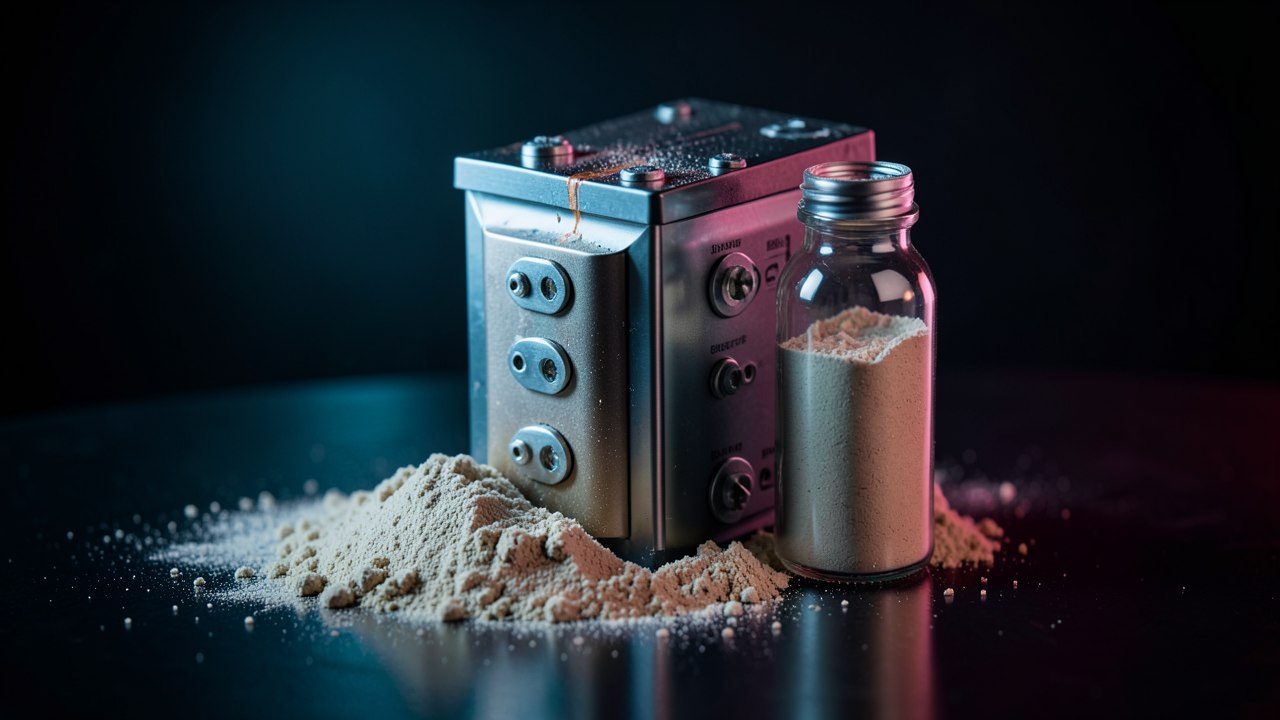
Researchers at Lawrence Livermore National Laboratory (LLNL) have utilized artificial intelligence (AI) to unlock the design mechanisms of the critical interphase layer within lithium-ion batteries. This ultrathin layer, located between the electrolyte and electrodes, profoundly dictates the battery’s overall performance and durability, and this AI-driven discovery provides new blueprints for significant advancements in battery technology.
Technical / Clinical Details
The study involved training machine learning models with extensive quantum mechanics data, enabling researchers to extend atomic-level simulations to unprecedented length and time scales. This capability was crucial for uncovering the intricate relationships between the structure and properties of the interphase layer. Historically, this layer, typically only a few to tens of nanometers thick, has been one of the least understood components of an operational battery cell. The AI-powered simulations identified specific structural characteristics that facilitate efficient lithium-ion transport, suggesting that intentional manipulation of the interphase’s composition and structure can lead to enhanced battery function.
Background & Context
Lithium-ion batteries are ubiquitous, powering everything from electric vehicles to portable electronics. Improving their capacity, charging speed, lifespan, and safety is a top priority in materials science. The interphase has long been recognized as a bottleneck for efficient lithium-ion movement, with a lack of understanding posing a significant design challenge. This AI-driven breakthrough provides a crucial step towards resolving this longstanding issue, offering a predictive framework for material scientists and engineers.
Strategic Significance & Outlook
The AI-revealed design mechanisms for the battery interphase hold the potential to revolutionize the development of next-generation lithium-ion batteries. Armed with this knowledge, researchers and engineers can now design battery materials with superior performance, extended cycle life, and enhanced safety. This will have far-reaching implications, contributing to increased range for electric vehicles, improved efficiency for renewable energy storage systems, and ultimately, accelerating the transition towards a more sustainable global energy infrastructure.
Source: https://www.miragenews.com/ai-reveals-battery-interphase-boost-for-li-ion-1742258/
Get our weekly technology intelligence — free
Receive an infographic that lets you judge at a glance whether each field’s analysis report is worth reading.
Subscribe Free — Weekly Tech Intelligence
By subscribing, you’ll receive Troy-Technical’s weekly technology intelligence newsletter.
- Your email and selected fields are used only to deliver the newsletter.
- We never share your information with third parties.
- You can unsubscribe anytime via the link in each email.
See our Privacy Policy for details.
Takes about a minute · Unsubscribe anytime






Comments