Key Findings
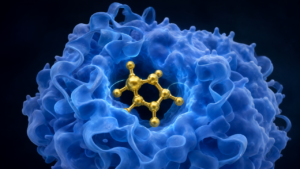
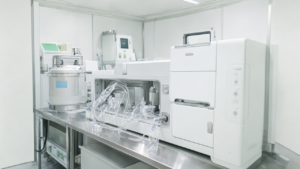
According to announcements on May 28, 2026, several biotechnology companies achieved significant milestones in the cell and gene therapy sector. Avaí Bio successfully established a Good Manufacturing Practice (GMP)-grade Master Cell Bank (MCB) for its α-Klotho anti-aging program, setting the stage for preclinical and future clinical trials. Concurrently, Beam Therapeutics disclosed clinical data for BEAM-302, its leading base editing candidate, and expressed intentions to pursue an accelerated approval pathway with the FDA. Furthermore, Sana Biotechnology announced a strategic collaboration with Mayo Clinic to expedite the development of SC451, a hypoimmune iPSC-derived islet cell therapy designed for Type 1 diabetes treatment.
Technical and Clinical Details
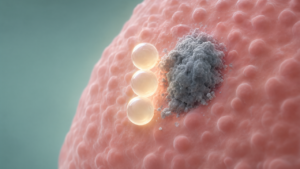
Avaí Bio’s α-Klotho program represents a novel cell therapy approach to address age-related diseases, with the completion of the GMP-compliant MCB being essential for ensuring the quality and scalability of therapeutic manufacturing. Beam Therapeutics’ BEAM-302 is a base editing therapy for alpha-1 antitrypsin deficiency (AATD), aiming to correct the production of mutant proteins in the liver. Clinical data indicate a promising safety and efficacy profile, potentially opening avenues for accelerated approval. Sana Biotechnology’s SC451, leveraging Mayo Clinic’s expertise, seeks to reduce insulin dependence in Type 1 diabetes patients by transplanting hypoimmune iPSC-derived islet cells engineered to evade immune rejection. This technology holds the potential to solve the major challenges of islet transplantation, namely donor cell scarcity and the need for immunosuppressive drugs.
Background and Industry Context
The fields of regenerative medicine and gene therapy are providing innovative solutions for a wide range of unmet medical needs, including aging, genetic disorders, and chronic diseases. Avaí Bio’s achievement of a GMP milestone underscores the importance of meeting stringent quality standards for cell therapy products and signals readiness for commercialization. Beam Therapeutics’ base editing technology is considered the next frontier in gene therapy due to its higher precision and safety compared to conventional CRISPR, allowing direct action on specific single-base mutations. The partnership between Sana and Mayo Clinic demonstrates how collaborations between academic institutions and biotechnology companies are crucial for accelerating the development of groundbreaking therapies for complex diseases.
Future Outlook
These advancements indicate a maturing cell and gene therapy sector, transitioning towards late-stage clinical trials and commercialization. Avaí Bio is expected to advance its anti-aging program into the clinic, with early data presentations anticipated. Beam Therapeutics’ BEAM-302 could potentially offer early treatment to AATD patients by benefiting from accelerated approval. Sana Biotechnology’s SC451 has the potential to significantly alter the paradigm of Type 1 diabetes treatment, and its progress will be closely watched by the diabetes community. These companies, through their respective technology platforms, are moving towards the common goal of improving patients’ quality of life.