Key Findings
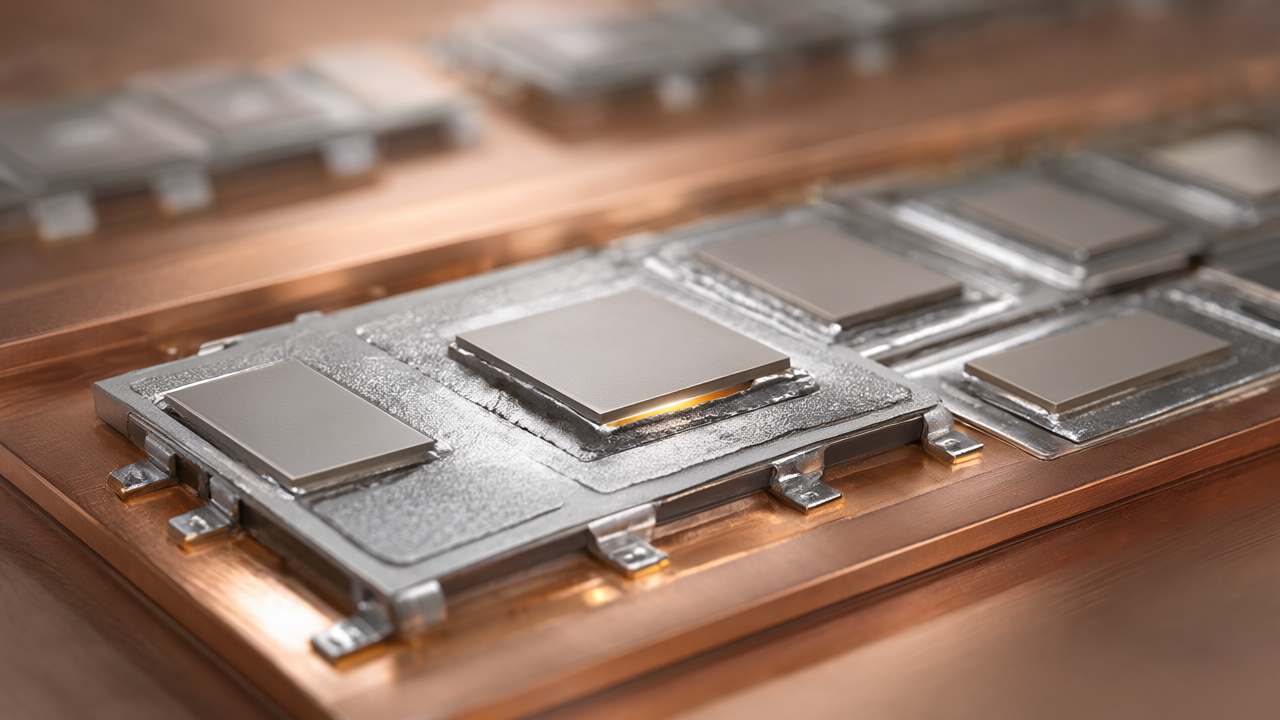
Heraeus has introduced a new approach to silver sintering that addresses the critical challenges of scalability and precision in die-attach processes for next-generation power modules. By optimizing precise paste deposition, ensuring compatibility with bare copper, and providing flexible processing options, this method enables high-throughput manufacturing without compromising the reliability of power modules.
Technical Details
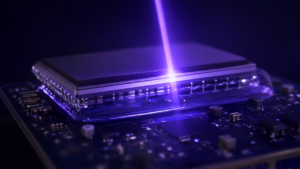
The new silver sintering process proposed by Heraeus focuses on three key elements. First, precise paste deposition technology ensures that the optimal amount of silver paste is accurately placed within the restricted die-attach area, minimizing material waste and forming a uniform sintered layer. Second, establishing direct sintering compatibility with bare copper (unoxidized copper) eliminates the need for expensive surface treatment processes, significantly contributing to manufacturing cost reduction and process simplification. Third, flexible processing options, including variations in furnace types and sintering times, allow for optimization tailored to specific production lines and volumes. These combined elements enable a substantial increase in production throughput while maintaining the performance and lifetime of power modules.
Background & Context
Modern power modules are utilized in a wide range of high-performance and high-reliability applications, such as electric vehicles, renewable energy systems, and industrial motor drives. The die attachment, which connects semiconductor chips (dies) to the substrate within these modules, is paramount for thermal management and electrical performance. Silver sintering, known for its superior thermal and electrical conductivity and lead-free composition, has become the dominant die-attach technology for next-generation power modules. However, conventional silver sintering processes have faced challenges related to complex pre-treatment, high costs, and throughput limitations. Heraeus’s approach offers a direct solution to these industry-wide issues.
Strategic Significance & Outlook
Heraeus’s proposed improvements in silver sintering scalability are crucial for the mass production and cost-efficiency of next-generation power modules. This advancement is expected to accelerate widespread technological innovations, such as extending the range and shortening the charging times of electric vehicles, and enhancing the efficiency of renewable energy systems. Heraeus is anticipated to further strengthen its position as a key supplier in the power electronics industry through this technology, contributing to the development of higher-performance and more reliable modules.
Source: https://www.3dincites.com/2026/09/precision-at-speed-silver-sintering-for-next-gen-power-module/
Get our weekly technology intelligence — free
Receive an infographic that lets you judge at a glance whether each field’s analysis report is worth reading.
Subscribe Free — Weekly Tech Intelligence
By subscribing, you’ll receive Troy-Technical’s weekly technology intelligence newsletter.
- Your email and selected fields are used only to deliver the newsletter.
- We never share your information with third parties.
- You can unsubscribe anytime via the link in each email.
See our Privacy Policy for details.
Takes about a minute · Unsubscribe anytime




Comments