Key Findings
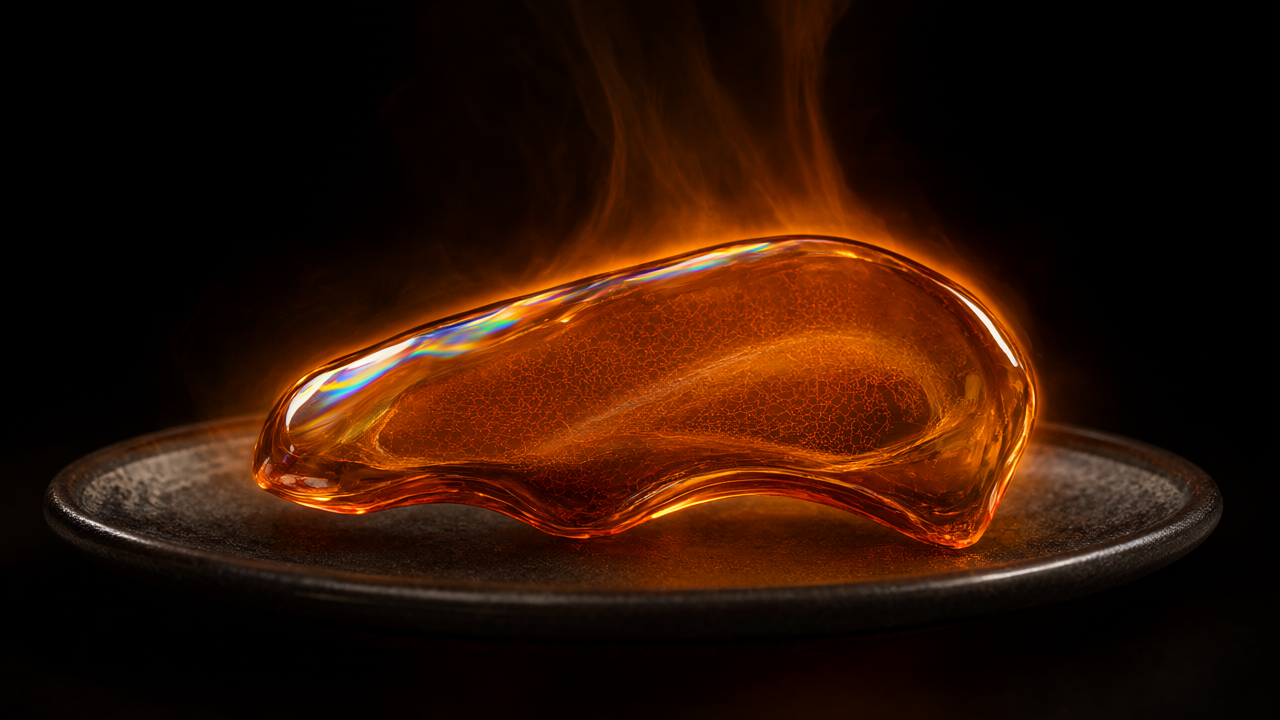
A Korean research team has achieved a significant breakthrough in polymer science by developing a next-generation material that exhibits ultra-high heat resistance of up to 300°C, combined with the unprecedented ability to be reshaped multiple times even after initial hardening. This innovative liquid crystal bismaleimide (BMI)-based bilmer holds the potential to revolutionize the design and sustainability of high-performance plastics used in extreme environments such as aerospace and semiconductor manufacturing.
Technical Details
The research team, led by Professor Yeo Hyeon-wook from Kyungpook National University, successfully engineered a bilmer that reconciles ultra-high heat resistance with reprocessability—two properties traditionally considered mutually exclusive in advanced polymers. The material, primarily composed of liquid crystal bismaleimide, incorporates specific chemical structures that enable a high degree of balance between molecular flexibility and strength. Unlike conventional thermosetting plastics that become rigid and non-reprocessable after curing, this new material allows for the reversible reconstruction of its molecular network through specific thermal treatments. This feature facilitates the recycling of defective products during manufacturing and streamlines end-of-life recycling, offering substantial advantages in resource utilization.
Background & Context
In industries such as aerospace and semiconductors, high-performance plastics capable of enduring extremely high temperatures and harsh chemical environments are indispensable. However, these traditional high-performance polymers are often thermosetting resins, which pose significant challenges for reuse or recycling once they are formed. This limitation leads to increased manufacturing costs and the generation of environmentally burdensome industrial waste. The Korean team’s achievement provides a critical solution to these sustainability challenges, promoting a transition towards a more circular economy in these demanding sectors.
Strategic Significance & Outlook
This ultra-high heat-resistant and re-shapable liquid crystal bismaleimide-based polymer is expected to find broad applications across various fields, including lightweight structural components for aerospace vehicles, semiconductor packaging materials, automotive parts, and advanced electronic components. The material’s reprocessability offers significant benefits in both cost reduction and environmental protection by increasing manufacturing process flexibility and contributing to the reduction of material waste. The research team plans further research and development towards the commercialization and large-scale production of this material, aiming to establish a new standard in the high-performance plastics market and drive global innovation in sustainable materials engineering.
Source: https://mbiz.heraldcorp.com/article/10882132
Get our weekly technology intelligence — free
Receive an infographic that lets you judge at a glance whether each field’s analysis report is worth reading.
Subscribe Free — Weekly Tech Intelligence
By subscribing, you’ll receive Troy-Technical’s weekly technology intelligence newsletter.
- Your email and selected fields are used only to deliver the newsletter.
- We never share your information with third parties.
- You can unsubscribe anytime via the link in each email.
See our Privacy Policy for details.
Takes about a minute · Unsubscribe anytime






Comments