


Key Findings
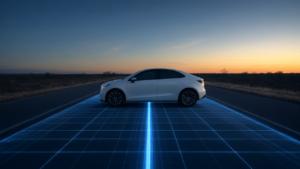
A recent report by XonoAI details a pivotal advancement in autonomous driving technology: the successful integration of high-resolution millimeter-wave 4D imaging radar and visual streams via a cross-modal attention network, yielding an impressive 99.8% object detection accuracy. This achievement is particularly notable under challenging conditions such as dense fog, snow, and rain, underscoring a broader industry trend towards end-to-end foundation models for autonomous systems.
Technical / Clinical Details
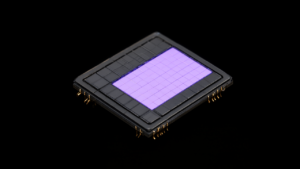
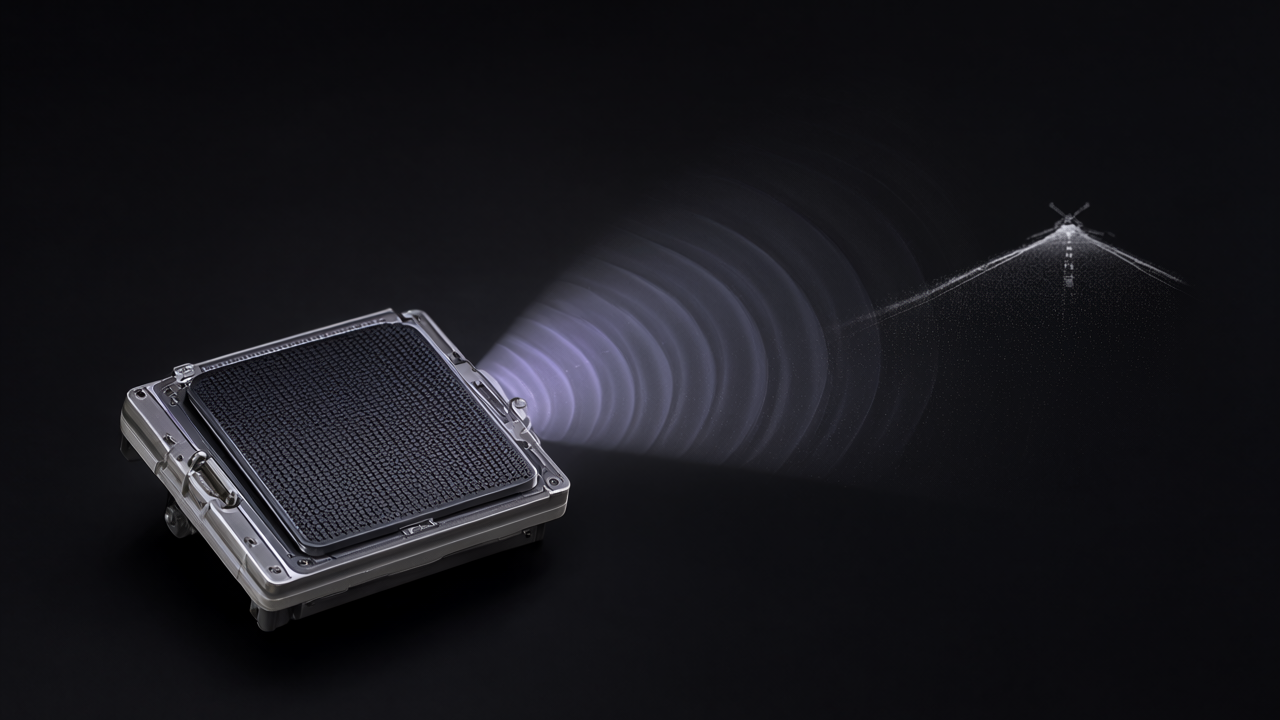
The core of this innovation lies in a sophisticated cross-modal attention network that synergistically processes data from multiple sensor modalities. The 4D millimeter-wave radar provides robust distance, velocity, azimuth, and elevation information, boasting superior penetration capabilities in adverse weather. This data is meticulously combined with high-resolution visual streams from cameras. The attention mechanism allows the system to intelligently weigh and fuse information, leveraging the strengths of each sensor to compensate for the weaknesses of others. This holistic data integration enables highly reliable and precise detection and tracking of objects—such as vehicles, pedestrians, and cyclists—even when traditional single-sensor approaches falter due to poor visibility. The result is a significant enhancement in safety performance for autonomous vehicles operating in unpredictable real-world environments.
Background & Context
Historically, autonomous driving systems have relied on a modular architecture, where individual perception components (e.g., LiDAR, cameras, radar) are developed and then integrated. This modularity often led to challenges with sensor fusion inconsistencies and limitations in handling complex, ambiguous scenarios. The emergence of end-to-end foundation models addresses these issues by training a single, unified AI model on raw sensor data, processing everything from perception to decision-making and execution in a cohesive manner. This shift promises more robust and efficient systems. Concurrently, Vehicle-to-Everything (V2X) cooperative perception communication is gaining prominence, playing a crucial role in extending the perception range and reducing blind spots for autonomous vehicles.
Strategic Significance & Outlook
The successful development of end-to-end foundation models combined with highly accurate, all-weather object detection capabilities is a critical enabler for the widespread commercialization of autonomous vehicles. The demonstrated 99.8% accuracy provides a robust foundation for Level 4 and higher autonomous systems to operate safely and reliably in diverse, real-world conditions. Future efforts will likely focus on further refining these models and validating their performance across an even wider spectrum of operational environments. The synergy with advancing V2X communication technologies is expected to further bolster the safety envelope, paving the way for greater public acceptance and integration of autonomous driving into daily life.
Source: https://xonoai.com/category/autonomous-vehicles-mobility/
Get our weekly technology intelligence — free
Receive an infographic that lets you judge at a glance whether each field’s analysis report is worth reading.
Subscribe Free — Weekly Tech Intelligence
By subscribing, you’ll receive Troy-Technical’s weekly technology intelligence newsletter.
- Your email and selected fields are used only to deliver the newsletter.
- We never share your information with third parties.
- You can unsubscribe anytime via the link in each email.
See our Privacy Policy for details.
Takes about a minute · Unsubscribe anytime