

Key Findings
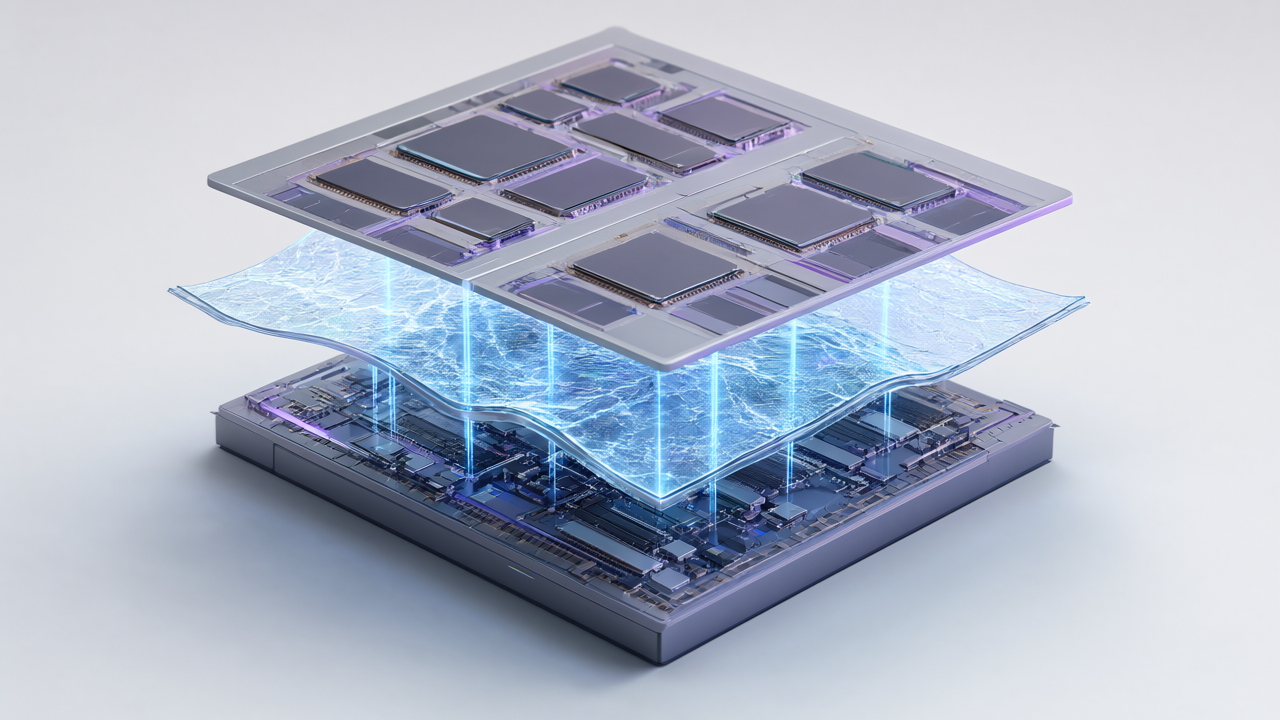
Samsung has unveiled its conceptual zHBM, a groundbreaking 3D memory architecture that proposes stacking High Bandwidth Memory (HBM) directly on top of the processor. This innovative design aims to dramatically shorten data pathways and overcome thermal limitations through a dedicated cooling structure. Samsung projects that zHBM could deliver an approximate 8x performance increase over HBM5, boast more than 10x the memory density, achieve up to 3x higher energy efficiency, and reduce thermal resistance by over 50%.
Technical & Clinical Details
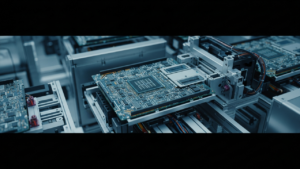
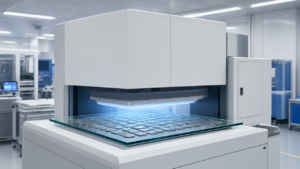
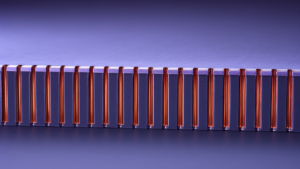
The zHBM architecture employs advanced techniques such as Hybrid Copper Bonding and Multi-Wafer Bonding to create extremely dense vertical interconnections, minimizing the physical distance between compute and memory units. This direct stacking approach promises vastly improved data transfer speeds, addressing the critical bottleneck in high-performance AI workloads. Furthermore, the architecture is designed to potentially include a customizable interlayer, allowing for the integration of customer-specific intellectual property, enhancing both versatility and performance. The dedicated cooling structure is crucial for managing the intense heat generated by such dense vertical integration, ensuring sustained high-performance operation.
Background & Context
As AI continues to advance, the performance of AI systems is increasingly limited not just by processing power but by the speed and efficiency of data transfer between the processor and memory. Current HBM technologies offer high bandwidth but still face challenges related to physical separation and heat dissipation. Samsung’s zHBM concept represents a radical solution to these issues, pushing the boundaries of memory and logic integration. The competitive landscape for AI memory has evolved beyond individual memory specifications to comprehensive system solutions encompassing data movement, storage, and processing, a domain where Samsung leverages its integrated expertise across memory manufacturing, logic fabrication, and advanced packaging.
Strategic Significance & Outlook
Such pioneering 3D stacking technologies as zHBM have the potential to profoundly influence the design of future AI accelerators. If successfully realized, zHBM could lead to dramatic performance improvements in data centers and edge AI devices, enabling the execution of far more complex and larger-scale AI models. This technological leap is expected to solidify Samsung’s leadership in the AI semiconductor market and accelerate broader innovation within the industry, setting new benchmarks for integrated compute and memory solutions.
Get our weekly technology intelligence — free
Receive an infographic that lets you judge at a glance whether each field’s analysis report is worth reading.
Subscribe Free — Weekly Tech Intelligence
By subscribing, you’ll receive Troy-Technical’s weekly technology intelligence newsletter.
- Your email and selected fields are used only to deliver the newsletter.
- We never share your information with third parties.
- You can unsubscribe anytime via the link in each email.
See our Privacy Policy for details.
Takes about a minute · Unsubscribe anytime