Key Findings
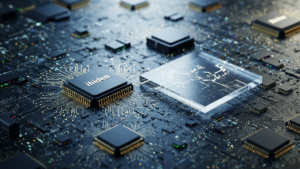
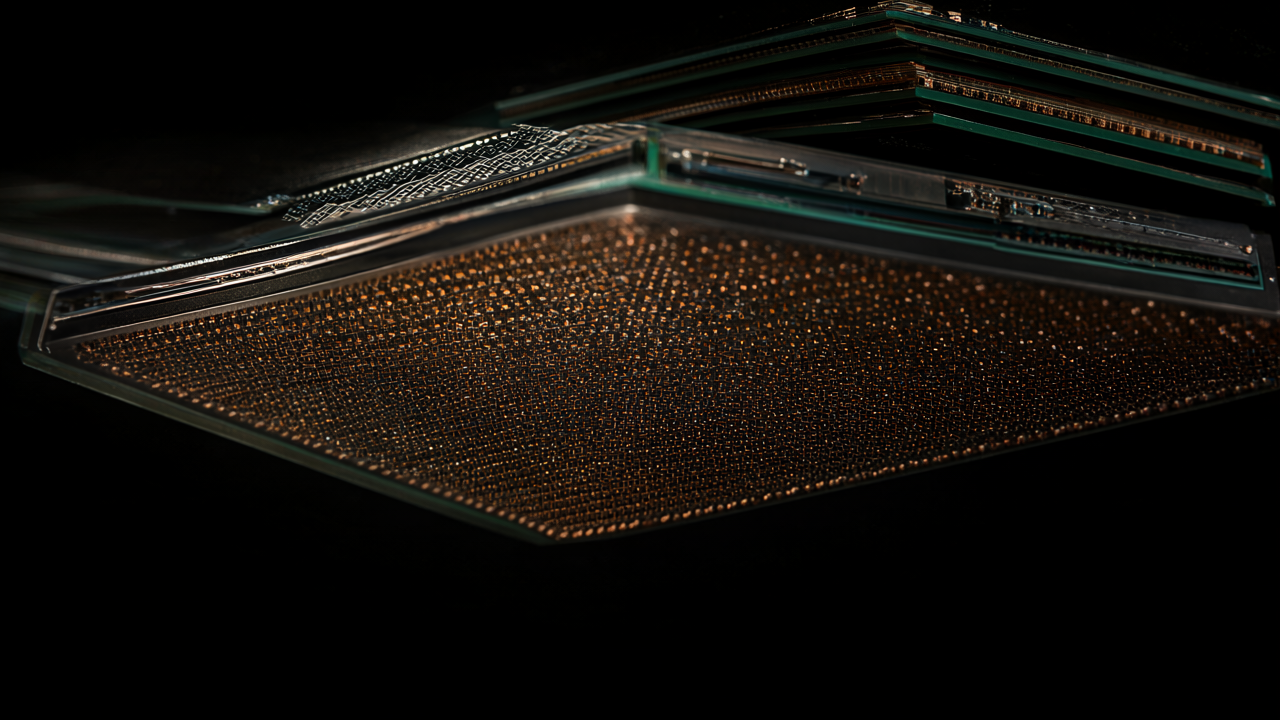
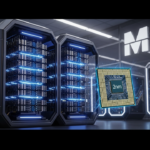
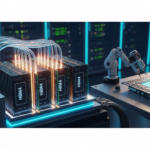
Micron has strategically opted to outsource the manufacturing of the base die for its custom HBM product, NVHBM, which was developed specifically for NVIDIA. This decision is expected to significantly enhance Micron’s profitability. The NVHBM, based on HBM4E technology, achieves a remarkable 15% reduction in power consumption and up to a 30% increase in memory bandwidth by relocating the memory controller directly into the base die.
Technical & Clinical Details
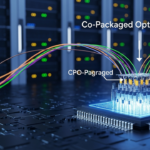
The core innovation of NVHBM lies in the direct integration of the memory controller within the base die. This architectural change optimizes the data path between the memory chips and the processor, leading to improved signal transmission efficiency and the aforementioned 15% power consumption reduction. Concurrently, this integration enables up to a 30% boost in memory bandwidth, allowing AI accelerators to process vast amounts of data at much higher speeds. Furthermore, NVHBM incorporates a customized physical layer (PHY) for I/O, which reduces the I/O PHY package area by as much as 67%. This not only contributes to a smaller overall chip footprint but also offers greater flexibility in system design for AI applications.
Background & Context
The HBM market is experiencing rapid expansion driven by the explosive growth of AI technologies, leading to exceptionally high demand from leading AI chip manufacturers like NVIDIA. HBM4E is a critical technology required to meet the performance demands of next-generation AI accelerators. Micron’s strategy to outsource the base die production to external foundries, likely utilizing advanced 3nm-class processes from TSMC, aims to leverage more cutting-edge manufacturing capabilities than its previously in-house developed base dies, balancing cost efficiency with technological superiority. This move reflects a broader industry trend towards deeper collaboration with foundries, allowing companies to focus on their core competencies and enhance competitive advantage.
Strategic Significance & Outlook
Micron’s NVHBM, developed in partnership with NVIDIA, is poised to accelerate the growth of the company’s HBM business within the AI data center market. The combination of leveraging advanced outsourced processes and innovative design is expected to deliver high-performance, power-efficient AI memory solutions that could become a de facto standard in future AI chip designs. This strategic approach is anticipated to significantly strengthen Micron’s competitive position in the HBM sector and substantially contribute to its profitability. In the long term, such custom HBM products are likely to form the foundational memory infrastructure for the evolving AI ecosystem.
Source: https://www.thelec.net/news/articleView.html?idxno=14372
Get our weekly technology intelligence — free
Receive an infographic that lets you judge at a glance whether each field’s analysis report is worth reading.
Subscribe Free — Weekly Tech Intelligence
By subscribing, you’ll receive Troy-Technical’s weekly technology intelligence newsletter.
- Your email and selected fields are used only to deliver the newsletter.
- We never share your information with third parties.
- You can unsubscribe anytime via the link in each email.
See our Privacy Policy for details.
Takes about a minute · Unsubscribe anytime