

Key Findings
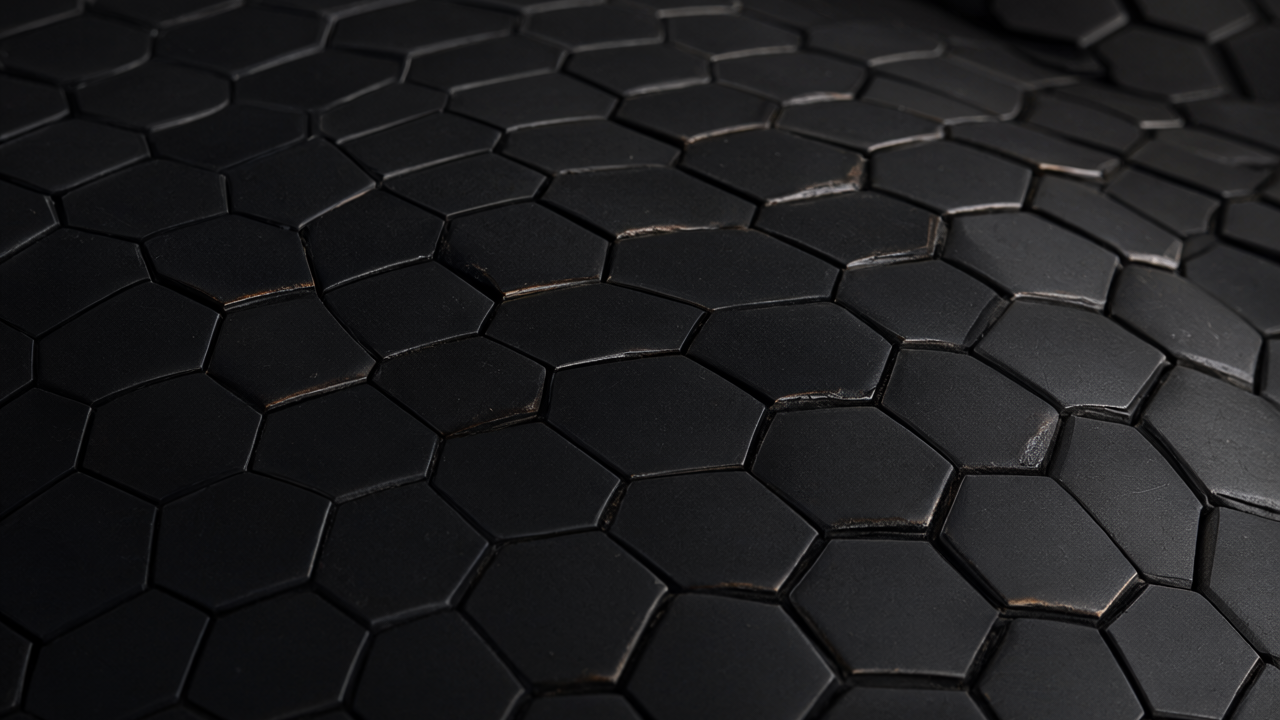
SpaceX’s Starship endured a critical re-entry test during its inaugural orbital flight, specifically evaluating its advanced heat shield system, which comprises approximately 18,000 hexagonal silica ceramic tiles. This test flight was paramount in validating the efficacy of the heat shield’s design, a core component for achieving Starship’s ambitious goal of full reusability.
Technical / Clinical Details
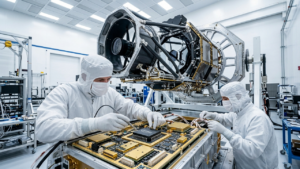
Starship’s heat shield consists of hexagonal tiles made from high-temperature resistant silica ceramic, meticulously arranged to protect the vehicle from the extreme heat generated during atmospheric re-entry. Prior to this orbital flight, SpaceX engineers proactively enhanced the reliability of tile attachment, particularly in identified vulnerable areas, and implemented additional measures to prevent the intrusion of superheated plasma beneath the tiles. A significant and novel aspect of this mission was the re-flying of a subset of tiles recovered from earlier Starship prototypes. This unprecedented step allowed for a direct assessment of how aging and previous use impact the protective capabilities of the tiles, yielding invaluable data for establishing the long-term operational viability and safety of reusable spacecraft.
Background & Context
Spacecraft reusability is a cornerstone for drastically reducing launch costs and expanding access to space. However, for reusable vehicles, especially those designed for high-speed atmospheric re-entry, the heat shield remains one of the most technically demanding challenges. SpaceX is continuously iterating on its heat shield design, learning from historical lessons, such as those from the Space Shuttle’s tile system, to develop a more efficient and robust solution. The reusability of Starship is not only fundamental to its mission profiles for human travel to the Moon and Mars but also for the cost-effective deployment of vast satellite constellations like Starlink.
Strategic Significance & Outlook
The performance data gathered from the heat shield during this inaugural orbital flight will provide indispensable insights for further refining Starship’s design. Crucially, the results from re-flying recovered tiles will directly influence maintenance requirements, operational costs, and the overall reliability enhancement of reusable thermal protection systems in long-term operations. The maturation of this technology is a foundational element for realizing SpaceX’s grand vision of a fully reusable space transportation system, which promises to fundamentally transform the economics and frequency of space exploration. In the future, Starship is anticipated to play a central role not only in Earth orbit but also as a primary transport for lunar and Martian endeavors, pushing the boundaries of human presence in space.
Get our weekly technology intelligence — free
Receive an infographic that lets you judge at a glance whether each field’s analysis report is worth reading.
Subscribe Free — Weekly Tech Intelligence
By subscribing, you’ll receive Troy-Technical’s weekly technology intelligence newsletter.
- Your email and selected fields are used only to deliver the newsletter.
- We never share your information with third parties.
- You can unsubscribe anytime via the link in each email.
See our Privacy Policy for details.
Takes about a minute · Unsubscribe anytime