
Key Findings
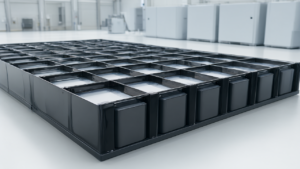
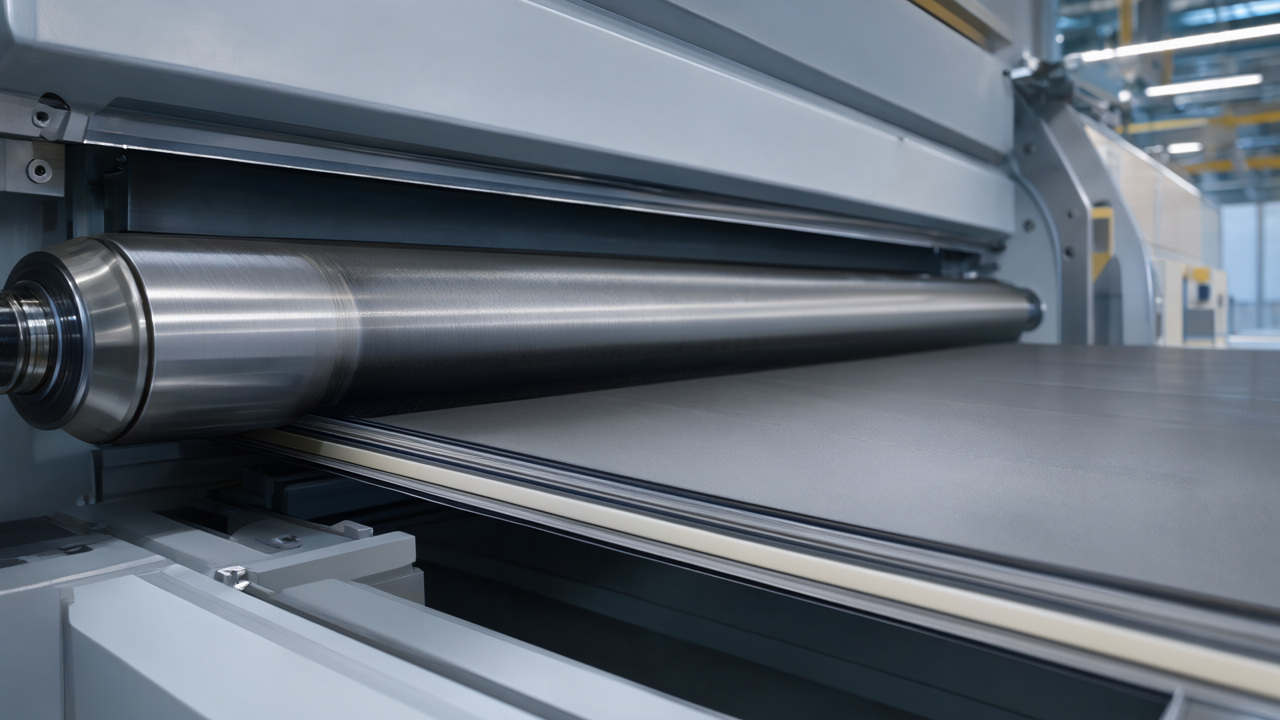
Honda has initiated operations of a pilot production line for all-solid-state batteries (ASSBs) designed for next-generation electric vehicles (EVs), promising significant performance enhancements. This crucial development demonstrates the key advantages of ASSBs: a driving range exceeding 500 miles (approximately 800 km), dramatically reduced charging times, and superior thermal stability, potentially overcoming major barriers to EV adoption. Honda’s innovation in cell pressing technology for battery manufacturing outlines a concrete path towards mass production of these high-performance ASSBs.
Technical Details
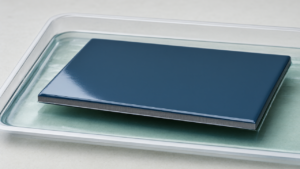
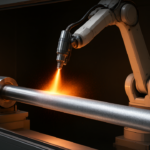
All-solid-state batteries achieve high safety and energy density by replacing traditional liquid electrolytes with solid electrolytes. Honda’s approach hinges on a key technology: physically pressing battery cells to minimize interfacial contact resistance between electrode materials and the solid electrolyte, thereby maximizing ion conductivity. This optimized contact reduces the battery’s internal resistance, contributing to faster charging capabilities and higher power density. Furthermore, since solid electrolytes eliminate the use of flammable liquid electrolytes, the risk of thermal runaway is substantially mitigated, enabling the construction of safer battery systems. The simplification of the cooling structure also leads to lighter and more compact battery packs, increasing design flexibility for EVs.
Background & Context
While the electric vehicle market is rapidly expanding, battery range, charging time, safety, and cost remain significant factors influencing consumer purchasing decisions. Range “anxiety” and charging “inconvenience” are particularly recognized as major challenges for EV widespread adoption. All-solid-state batteries are anticipated as a “game-changer” that can address these issues simultaneously, driving intense development competition among global automakers and battery developers. Honda’s activation of its pilot production line clearly indicates its step closer to commercialization in this race.
Strategic Significance & Outlook
The operation of Honda’s ASSB pilot production line is critical for establishing a strong competitive advantage for the company in the future EV market. If this technology successfully achieves mass production, Honda’s EVs will be differentiated by superior long-range capability, rapid energy replenishment, and enhanced safety. In the long term, ASSB technology is expected to find applications not only in EVs but also in aerospace, stationary energy storage, and portable electronic devices. Honda is poised to demonstrate leadership in realizing a sustainable mobility society through this innovative battery technology.
Source: https://www.topspeed.com/science-behind-honda-solid-state-battery-breakthrough/
Get our weekly technology intelligence — free
Receive an infographic that lets you judge at a glance whether each field’s analysis report is worth reading.
Subscribe Free — Weekly Tech Intelligence
By subscribing, you’ll receive Troy-Technical’s weekly technology intelligence newsletter.
- Your email and selected fields are used only to deliver the newsletter.
- We never share your information with third parties.
- You can unsubscribe anytime via the link in each email.
See our Privacy Policy for details.
Takes about a minute · Unsubscribe anytime