

Key Findings
The targeted nanotherapeutic, designated BT-Exo-Pt-miR-196 inhibitor, produced stronger micro-computed tomography and histological improvements in mice with ovariectomy-induced osteoporosis over a six-week study than untargeted formulations. In vitro tests showed the formulation produced the strongest alkaline phosphatase staining after seven days of osteogenic induction and greater calcium deposition via Alizarin Red S staining after 14 days. Blood measurements, serum chemistry, and major organ examinations indicated no detectable short-term toxicity.
Technical Details
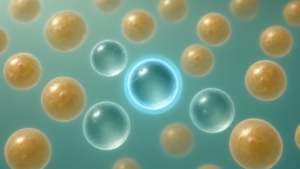
The delivery system utilizes M2 macrophage-derived exosomes, which measured 118.0 ± 43.9 nm (unmodified) and 139.2 ± 48.8 nm (targeted, co-loaded). The system integrates three functional components:
- miR-196b inhibitor: Targets miR-196b-5p to increase expression of GATA6 and influence osteoblast differentiation via Sema3a, Wnt/β-catenin, and the RANKL/OPG system.
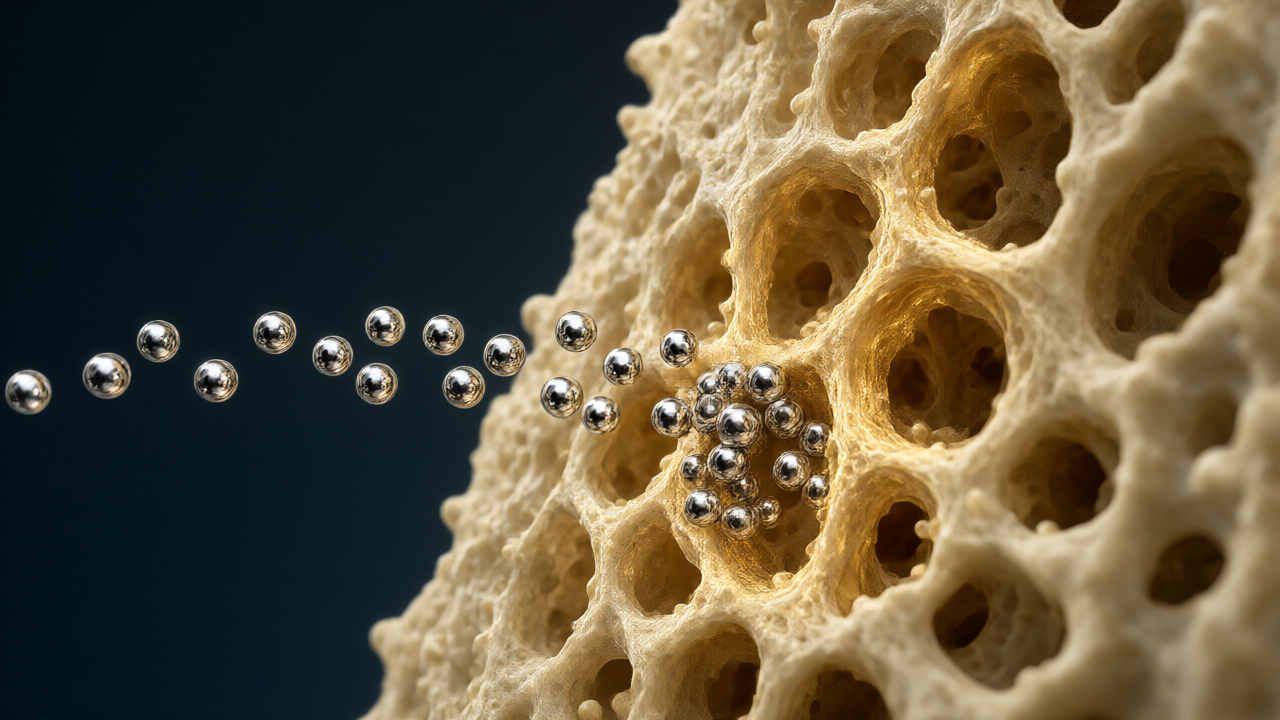
- Platinum nanoparticles: Provide enzyme-like antioxidant activity, showing stronger scavenging of hydrogen peroxide, hydroxyl radicals, and superoxide.
- SDSSD peptide: Binds periostin to promote delivery to osteoblast-lined bone surfaces.
Confocal microscopy and ex vivo imaging confirmed that BT-modified exosomes preferentially accumulated in the femur and tibiae compared to other organs and unmodified exosomes.
Background & Context
Osteoporosis is characterized by an imbalance where bone resorption by osteoclasts exceeds formation by osteoblasts, often accompanied by chronic low-grade inflammation and oxidative stress. The researchers selected M2-derived exosomes because they significantly increased RUNX2 expression—an osteogenic transcription factor—compared to M0 or M1 exosomes. Additionally, the combination of M2 exosomes and platinum nanoparticles reduced the expression of pro-inflammatory cytokines including interleukin-1β, interleukin-6, and tumor necrosis factor-alpha.
Significance & Outlook
This experimental nanomedicine approach demonstrates a multi-pronged strategy to treat bone loss by combining RNA regulation, ROS scavenging, and immunomodulation in a single carrier. While the study confirms preferential bone accumulation and efficacy in cultured cells and mouse models, the researchers noted that long-term safety and efficacy in humans have not yet been established.
Source: https://bioengineer.org/engineered-exosomes-preserve-trabecular-bone-in-mouse-osteoporosis-model/
Get our weekly technology intelligence — free
Receive an infographic that lets you judge at a glance whether each field’s analysis report is worth reading.
Subscribe Free — Weekly Tech Intelligence
By subscribing, you’ll receive Troy-Technical’s weekly technology intelligence newsletter.
- Your email and selected fields are used only to deliver the newsletter.
- We never share your information with third parties.
- You can unsubscribe anytime via the link in each email.
See our Privacy Policy for details.
Takes about a minute · Unsubscribe anytime