


Key Findings
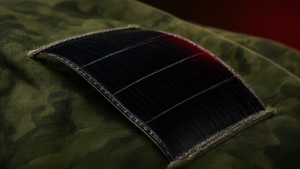
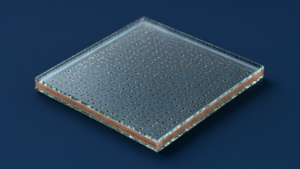
The study confirms that POE encapsulation significantly mitigates the release of Pb from fiber-based perovskite solar cells (PSCs). After 90 days of exposure across three different spatial configurations, the Pb concentration in plant-derived extracts for encapsulated groups was approximately 0.5 mg/mL. This value is roughly 10% of the concentration measured in unencapsulated control devices, indicating a strong protective effect provided by the POE layer.
Technical Details
Researchers utilized *Pogonatherum crinitum*, a perennial grass known for Pb tolerance and enrichment capacity, as a bioindicator. The experimental setup involved bundles of 30 PSC devices placed in three configurations: on the soil surface, at a depth of 15 cm near the pot base, or 25 cm from the plant in an elongated container. Samples of the inflorescence and leaf mixture were collected every 5 days, and Pb content was determined using Flame Atomic Absorption Spectroscopy (FAAS).
The effectiveness of the POE barrier is attributed to its nonpolar polyolefin backbone, which creates a low-dielectric and low-free-volume environment. Because the polymer consists mainly of saturated C-C and C-H σ bonds, it lacks the active sites, electron donor-acceptor interactions, or Lewis acid-base coordination required to facilitate the hopping or stabilization of Pb 2+.
Background and Context
The use of *Pogonatherum crinitum* allows for the detection of “bioavailable” Pb signals rather than simple soaking solution measurements. The plant responds to Pb stress through rhizosphere activation—altering acid phosphatase and urease activities—and intracellular complexation via organic acids. However, the study notes that Pb uptake is influenced by soil pH, organic matter, and microbial communities, meaning the assay serves as a laboratory bioindicator rather than a full ecotoxicological assessment.
Significance and Outlook
This methodology converts the technical question of device leakage into a measurable environmental exposure scenario. While the POE layer is not absolutely impermeable, it substantially retards Pb migration over the experimental timescale, reducing the risk of lead accumulating in the surrounding ecosystem.
Source: https://doi.org/10.21203/rs.3.rs-11411695/v1
Get our weekly technology intelligence — free
Receive an infographic that lets you judge at a glance whether each field’s analysis report is worth reading.
Subscribe Free — Weekly Tech Intelligence
By subscribing, you’ll receive Troy-Technical’s weekly technology intelligence newsletter.
- Your email and selected fields are used only to deliver the newsletter.
- We never share your information with third parties.
- You can unsubscribe anytime via the link in each email.
See our Privacy Policy for details.
Takes about a minute · Unsubscribe anytime